

City of Windows™
Limited
Limited deck: made for spreads, no daily card.
A Tarot deck about love and relationships, set in a present-day neighborhood of cafés, shared keys and conversations people come back to.
About this deck
City of Windows is a present-day neighborhood: a café on the corner, stairwells, a courtyard, a roof. Behind its lit windows people meet over coffee, argue over keys and time, drift apart and come back to the talks they have put off too long. From the street you see light and silhouettes, never the reasons.
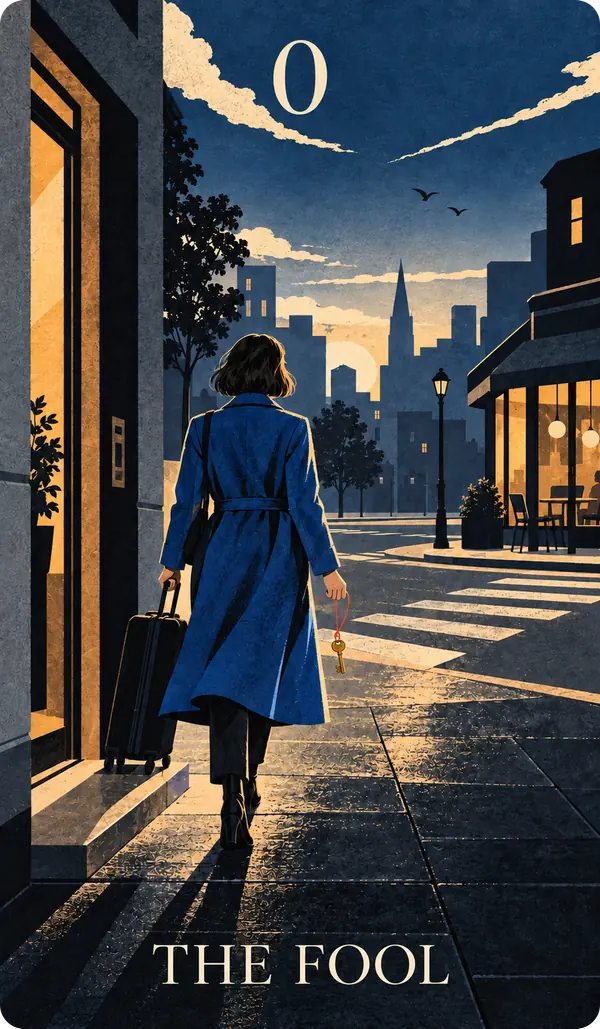
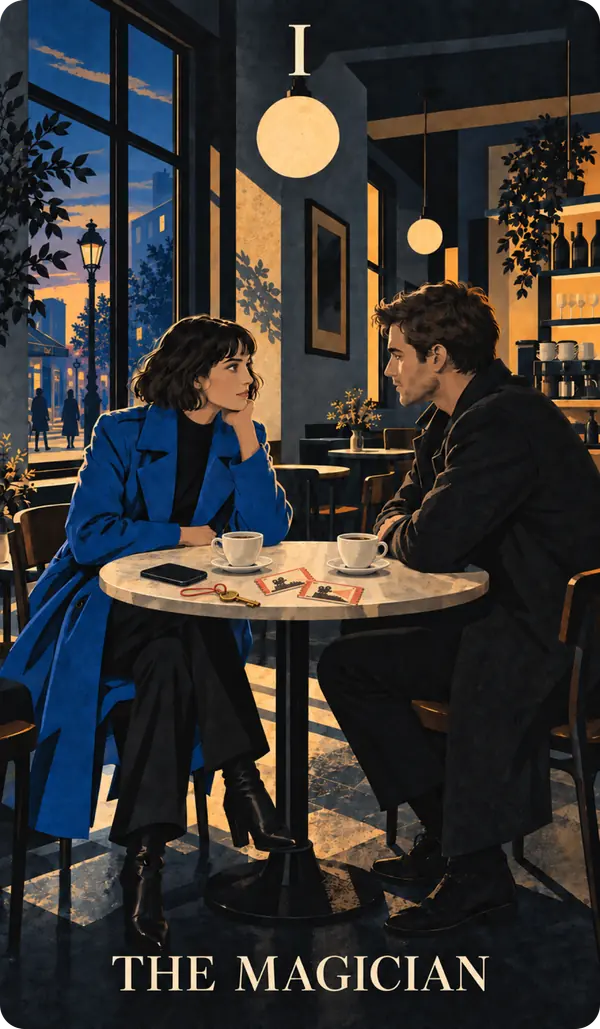
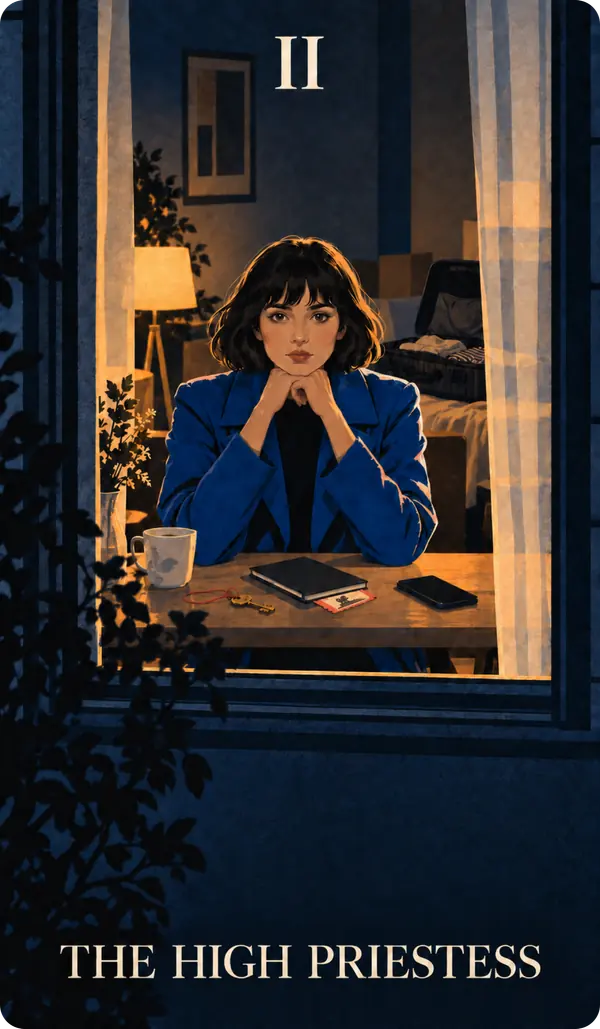
One day Mira moves in, with a key of her own on a red cord and a wish to start a new chapter. At the corner café she meets Lev, and they begin to build a life together. Then Mira learns that Lev has been hiding a relationship with Sara and keeps changing his story. In her notebook she sets what was said against what was done: where does suspicion end and a fact she can check begin, and where does a quarrel turn into pressure?
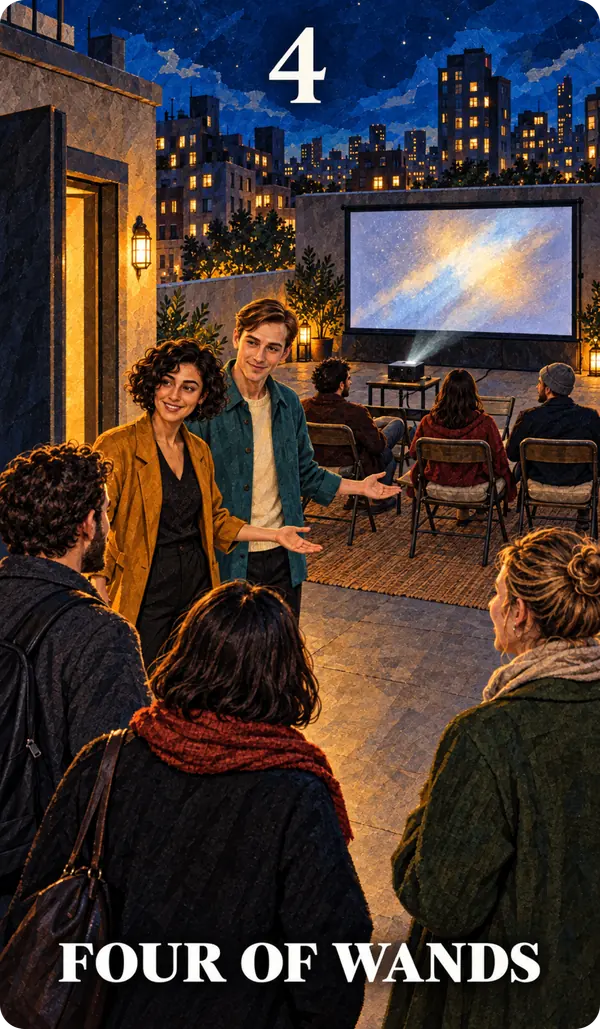
In another window, Dana and Sam are drifting apart too, but they don’t hide their feelings or shift the blame; they learn to talk about being tired and to stay honest when it gets hard. On the roof, Nika and Ilya gather the neighbors for film nights, but the work isn’t split evenly, and each has to decide how much to give. And Sara has her own story, her own choices and limits. She is not just “the other woman” in someone else’s romance.
The deck calls cheating and pressure by their names, like a neighbor who has seen a lot, and passes no verdict on a person or a relationship. Of other people’s lives we know only what shows in the window.
An original authored deck on the standard 78-card tarot structure: 22 Major Arcana and four suits of 14 cards, with the classic suit names. Swords (Air) ask what was said, what was checked, and how the conversation is built. Cups (Water) ask which feeling has been named, and whether the other person answers it. Wands (Fire) ask what we want, and what work we have actually agreed to. Pentacles (Earth) ask how time, things, money, access and the household are shared out. Each Major Arcanum keeps the correspondence given in the deck’s book (an element, a planet or a sign). Card meanings follow the deck’s own book.
Voice and tone
A neighbor who has seen a lot through lit windows: observant, plain and in no hurry to judge. It calls infidelity, pressure and a story that keeps changing by their names, keeps a feeling, an agreement and an action apart, and hands each card’s question back to you. The decision about the relationship stays yours.
- observant
- plain
- warm
- direct
- careful
For whom
For the moments when a relationship has become hard to read: a new acquaintance, a boundary, what was actually agreed, your own next step. People come to it to sort what they saw from what they guessed. It does not read minds, does not establish infidelity and does not diagnose abuse or gaslighting from a single image.
- beginner
- intermediate
- advanced
The scenes are everyday, so a beginner can start by saying what is on the card. With time, Mira’s story through the Major Arcana and the objects that pass from card to card begin to speak.
Reversed cards
Reversed, a window may show a delay, an imbalance, a defensive reaction or the first step out of one; the neighboring cards help tell which. A reversal does not mean “a bad person”, and one card proves no one’s motive.
One card, two voices
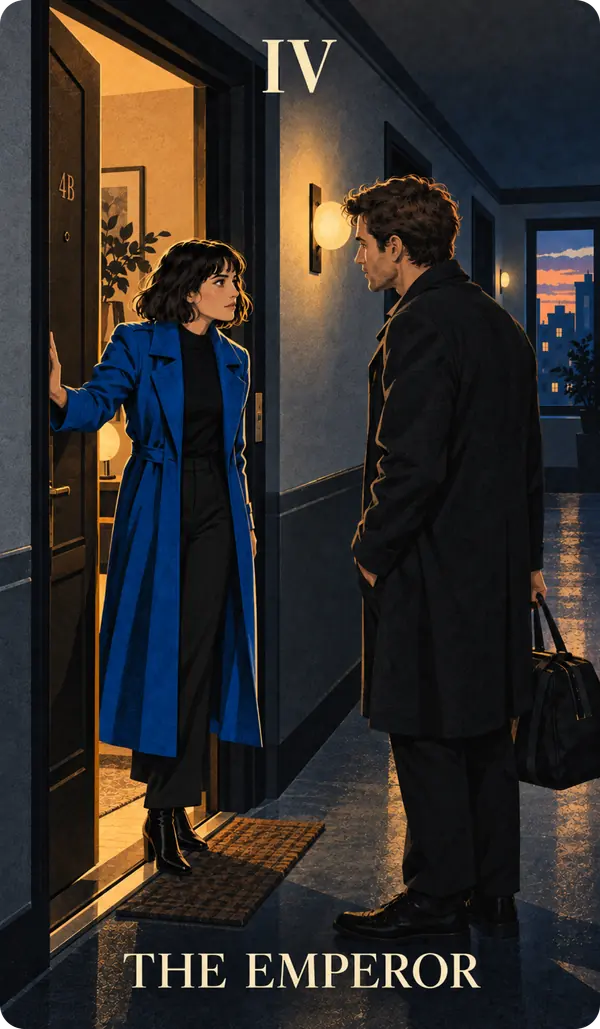
City of Windows
A clear boundary that can be spoken and respected without breaking the connection.
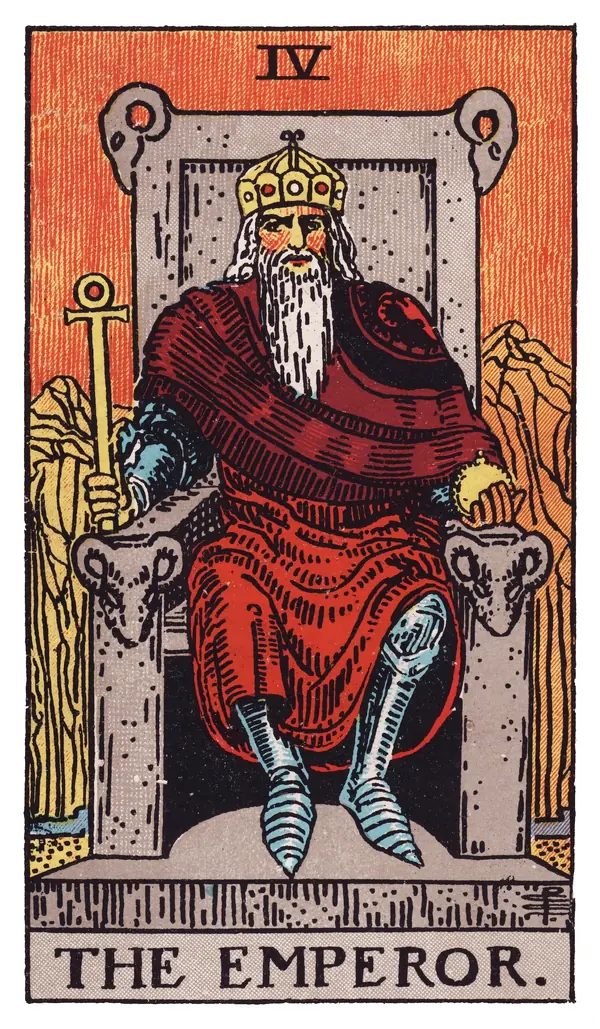
Rider–Waite–Smith
A situation needs clear structure and a decision you’re willing to stand behind, not another round of open options.
All 78 cards
- The Fool
- The Magician
- The High Priestess
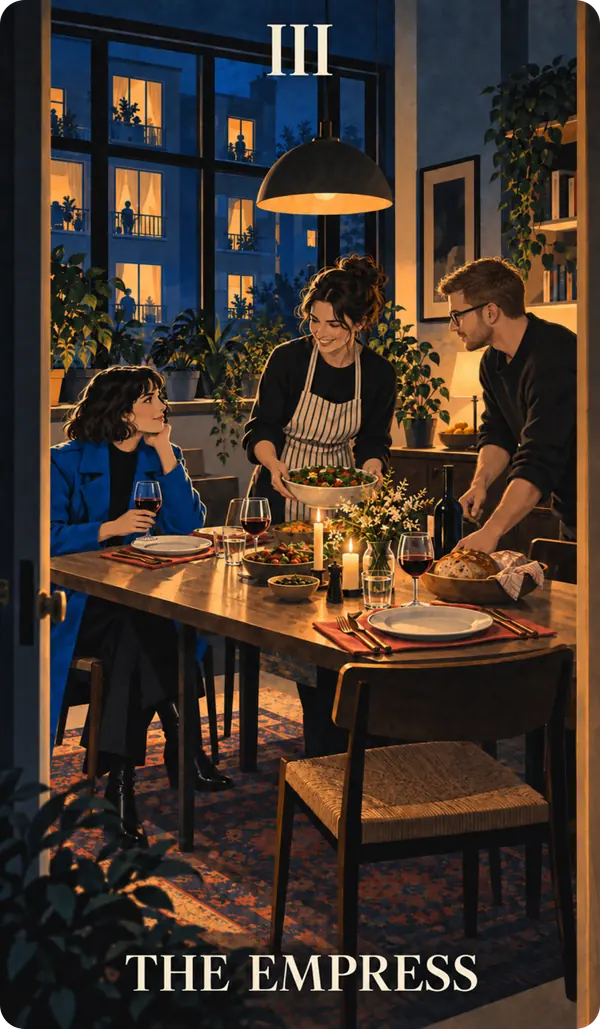 The Empress
- The Emperor
 The Hierophant
 The Lovers
 The Chariot
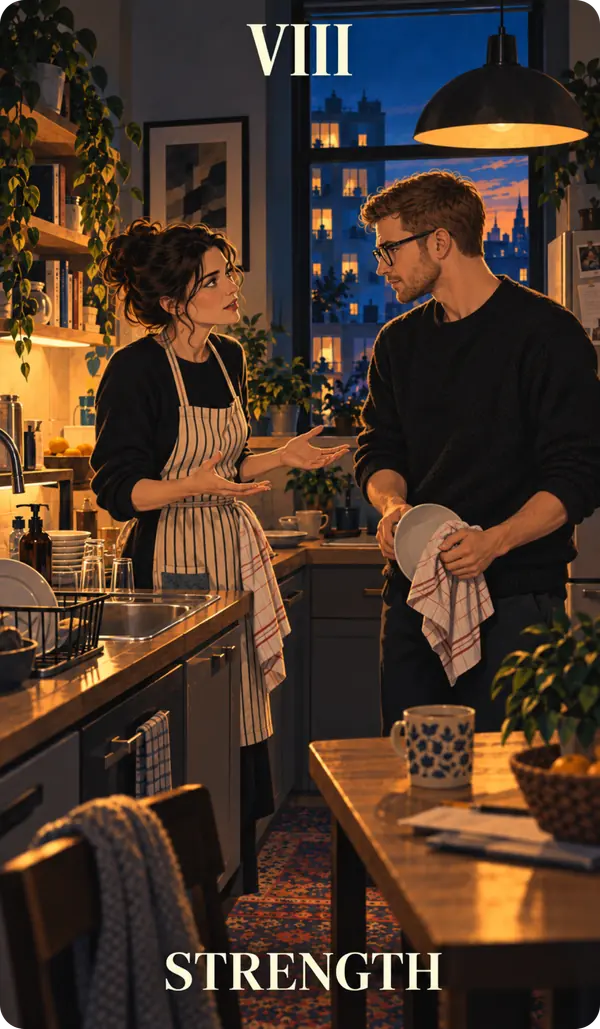 Strength
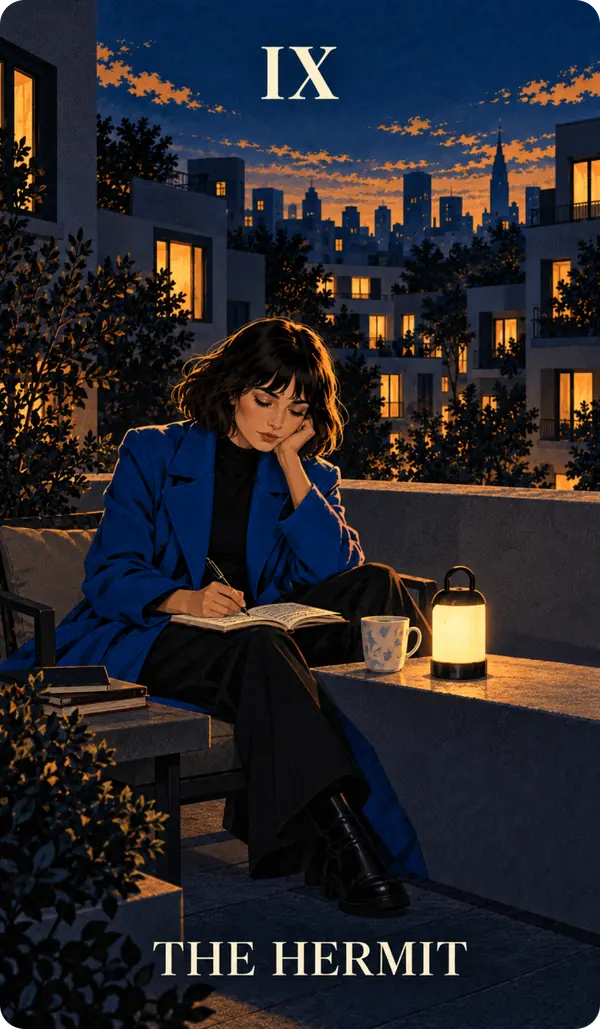 The Hermit
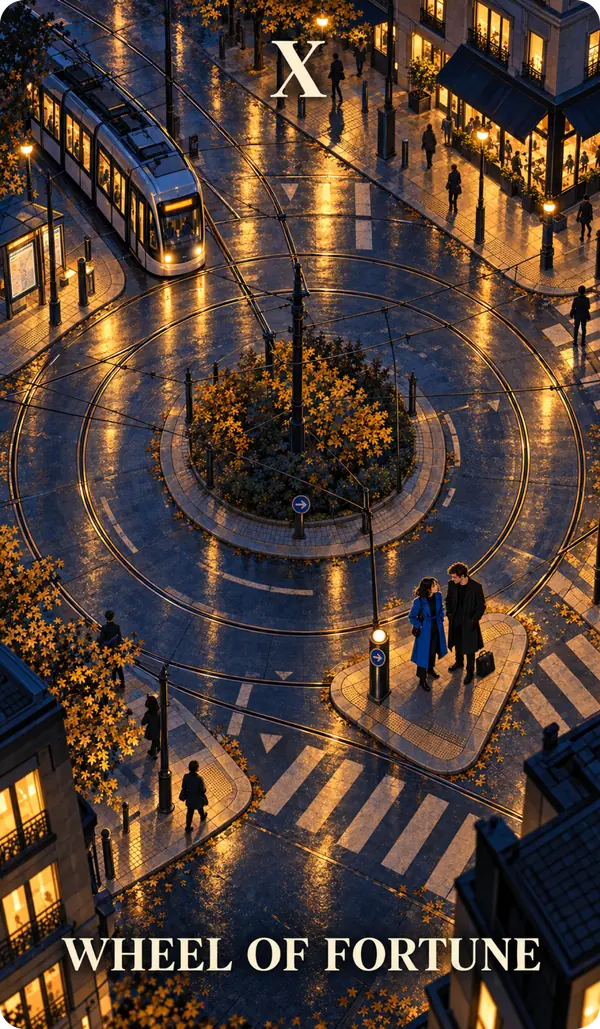 Wheel of Fortune
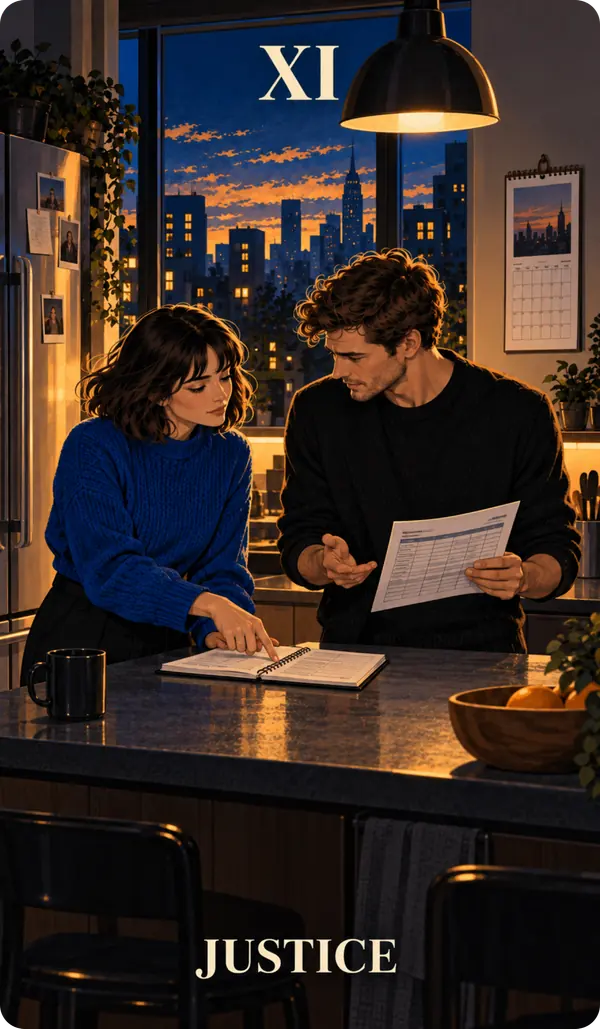 Justice
 The Hanged Man
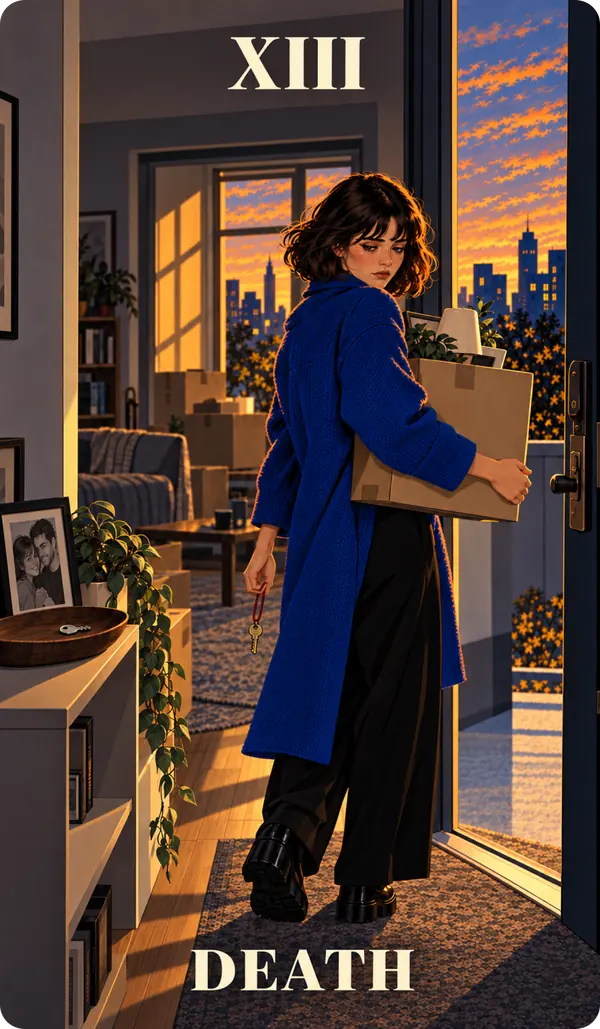 Death
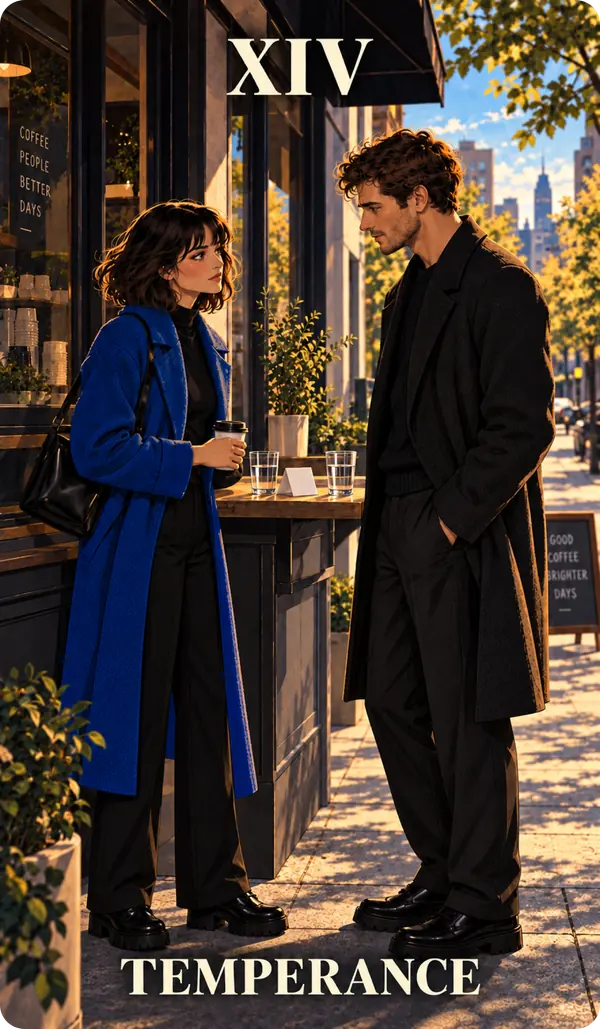 Temperance
 The Devil
 The Tower
 The Star
 The Moon
 The Sun
 Judgement
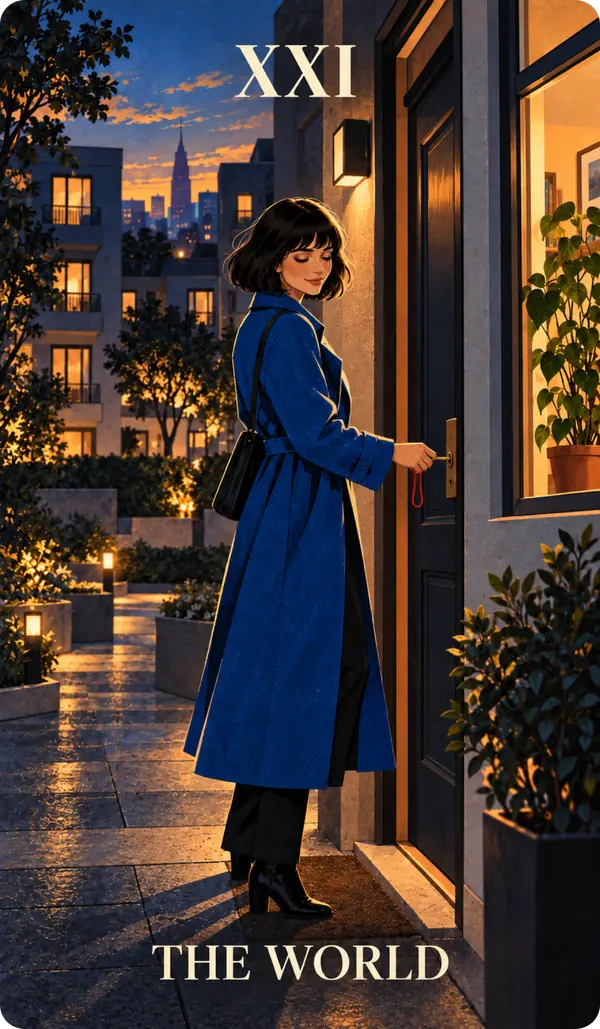 The World
 Ace of Wands
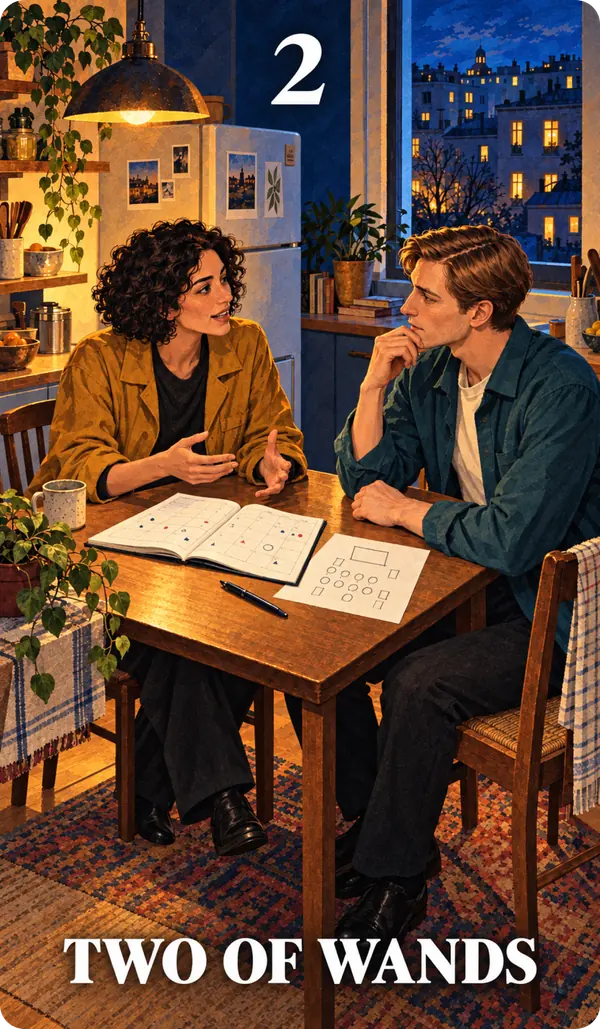 Two of Wands
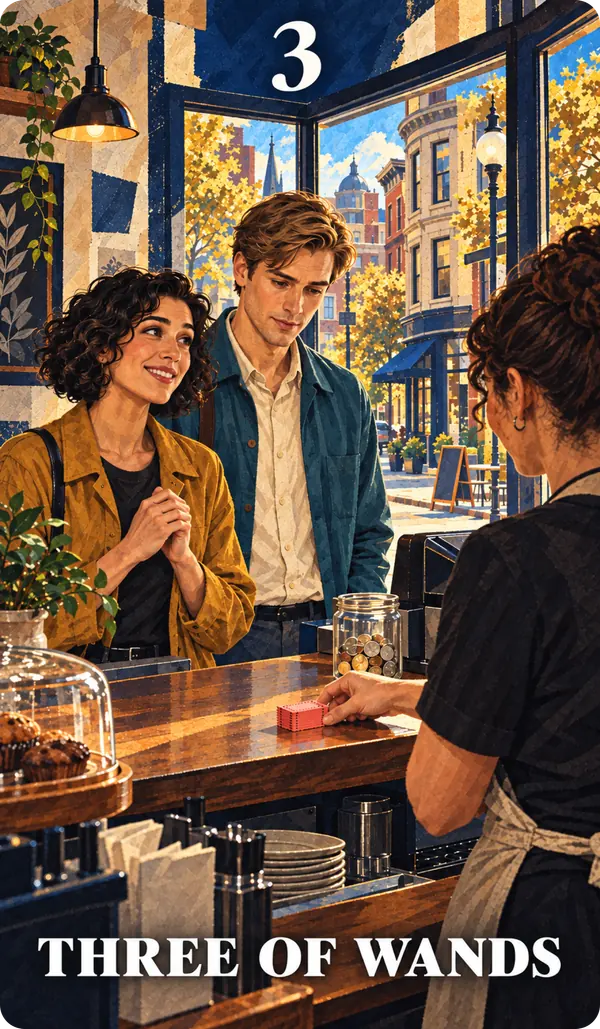 Three of Wands
 Four of Wands
 Five of Wands
 Six of Wands
 Seven of Wands
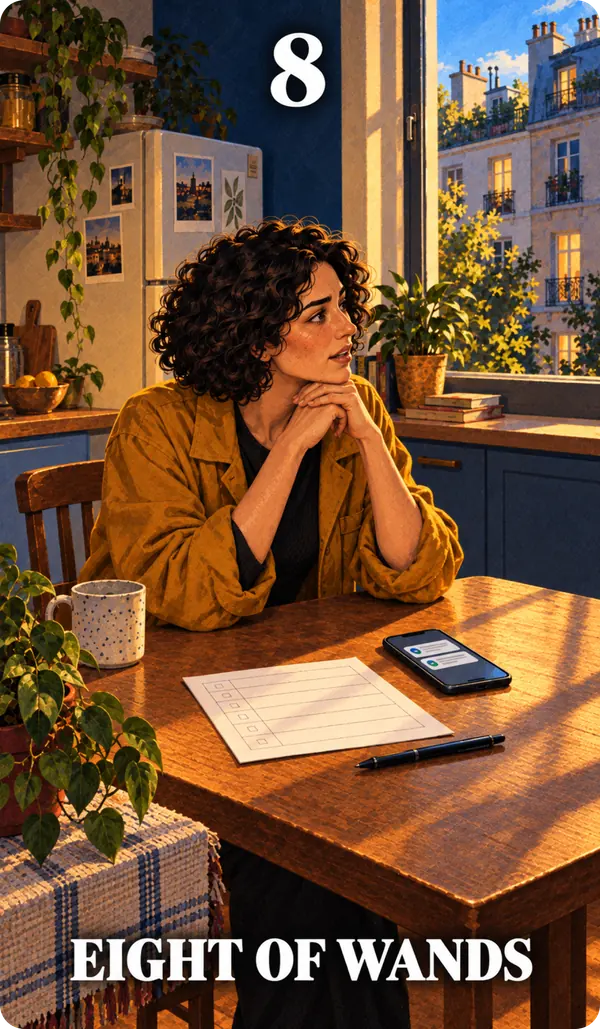 Eight of Wands
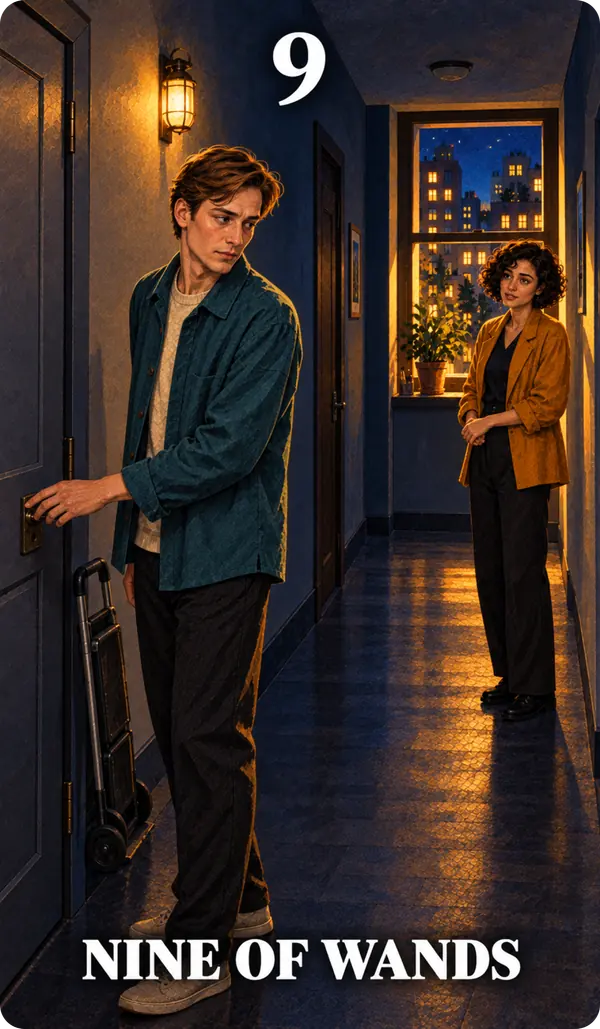 Nine of Wands
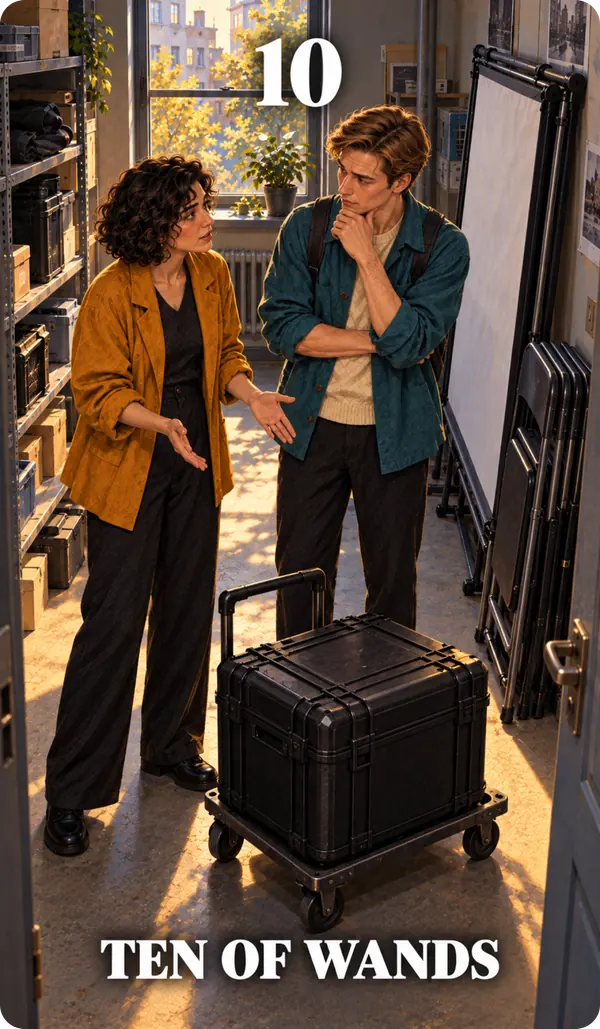 Ten of Wands
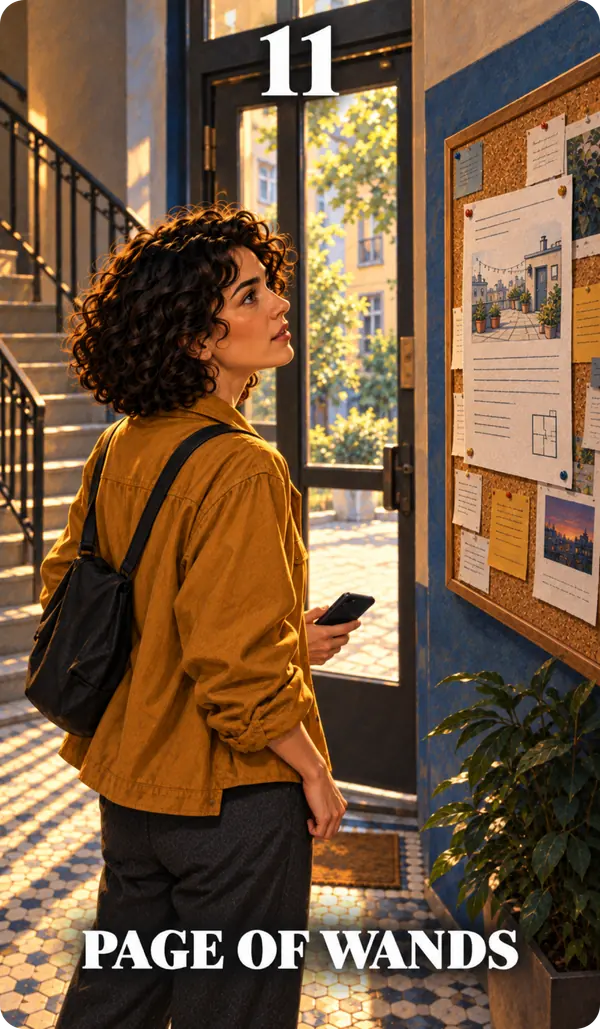 Page of Wands
 Knight of Wands
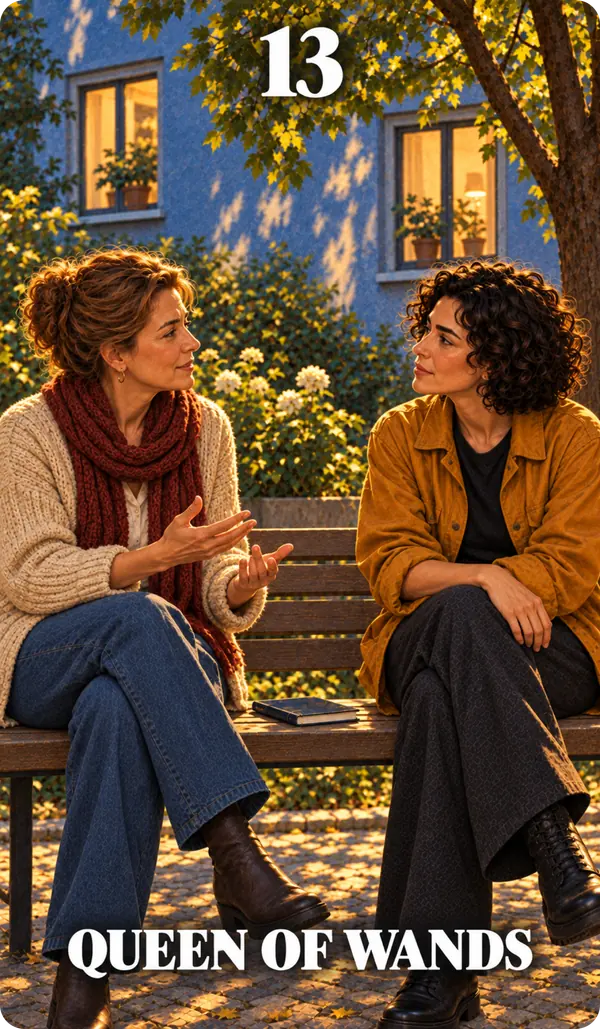 Queen of Wands
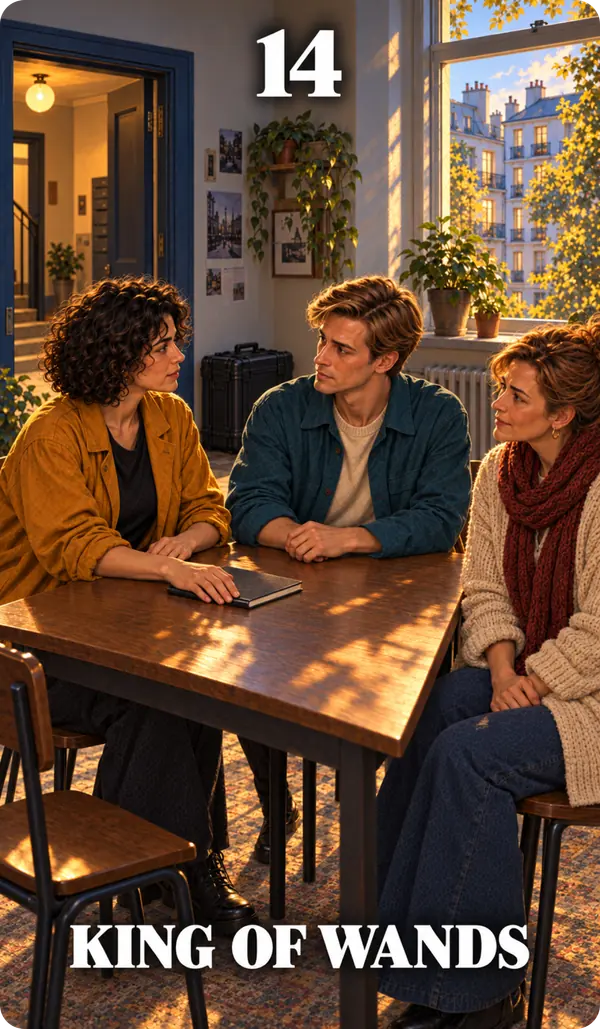 King of Wands
 Ace of Cups
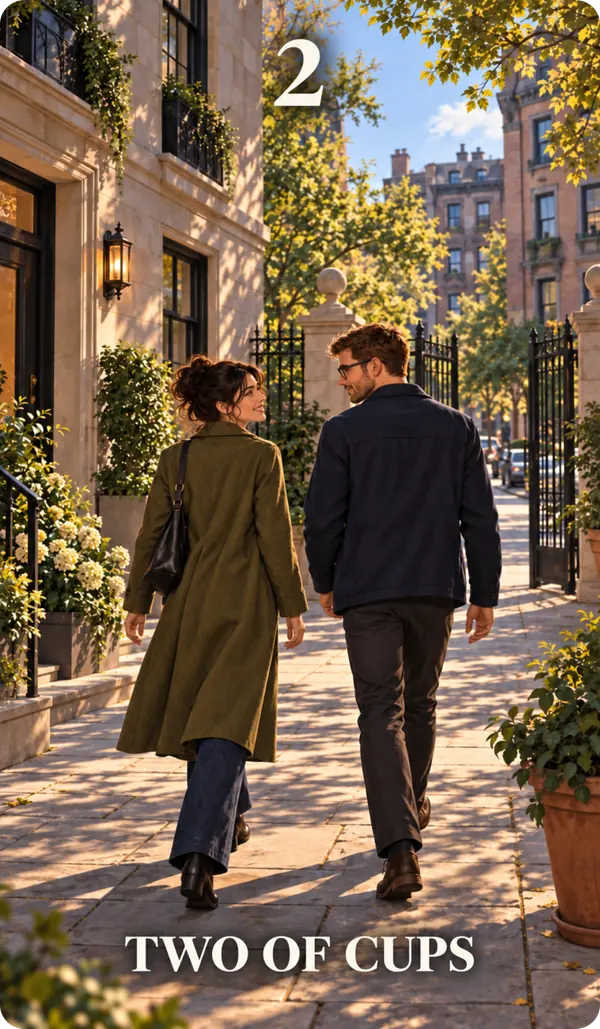 Two of Cups
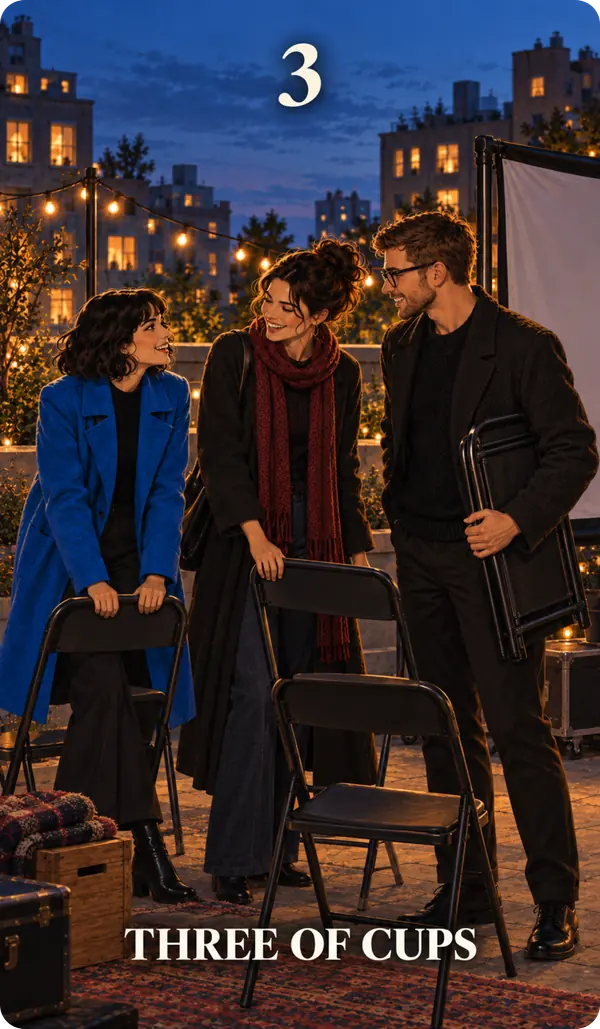 Three of Cups
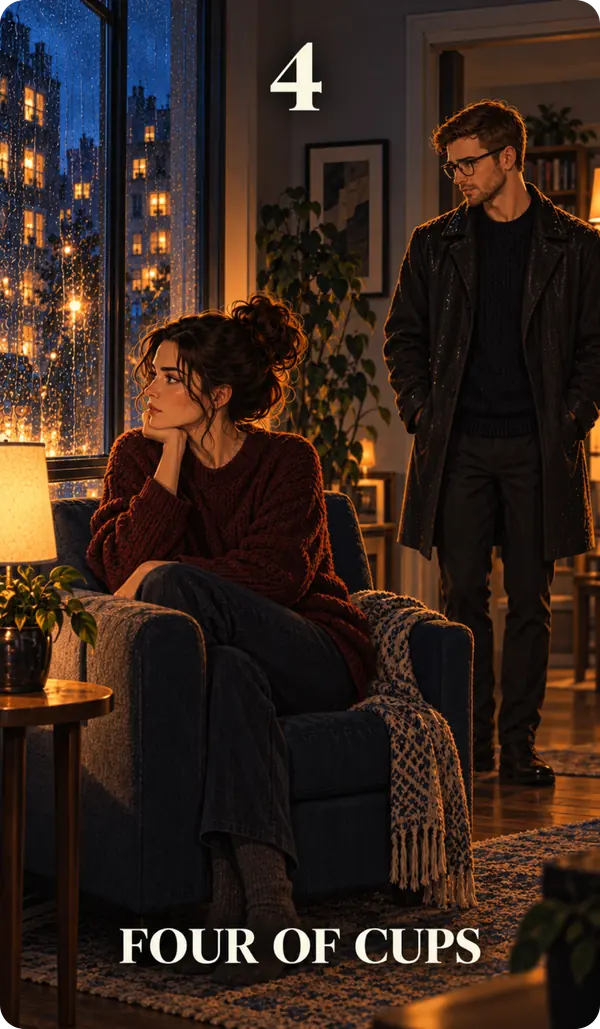 Four of Cups
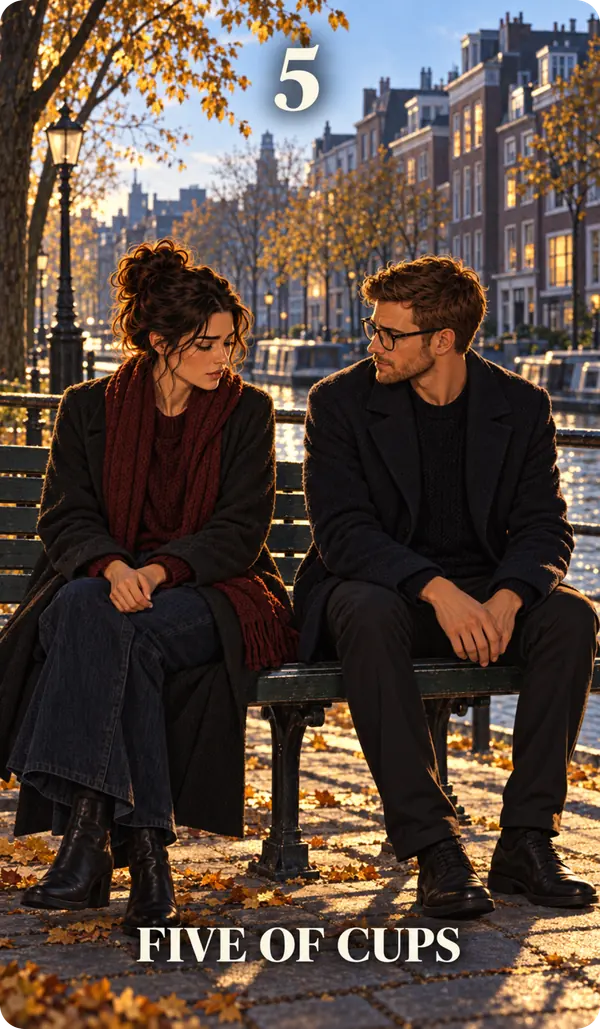 Five of Cups
 Six of Cups
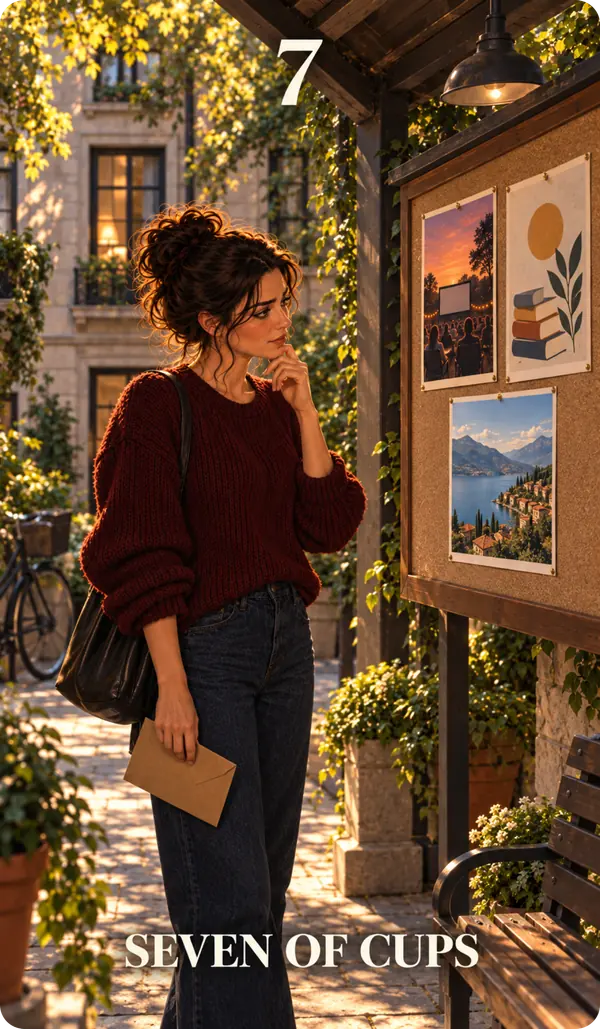 Seven of Cups
 Eight of Cups
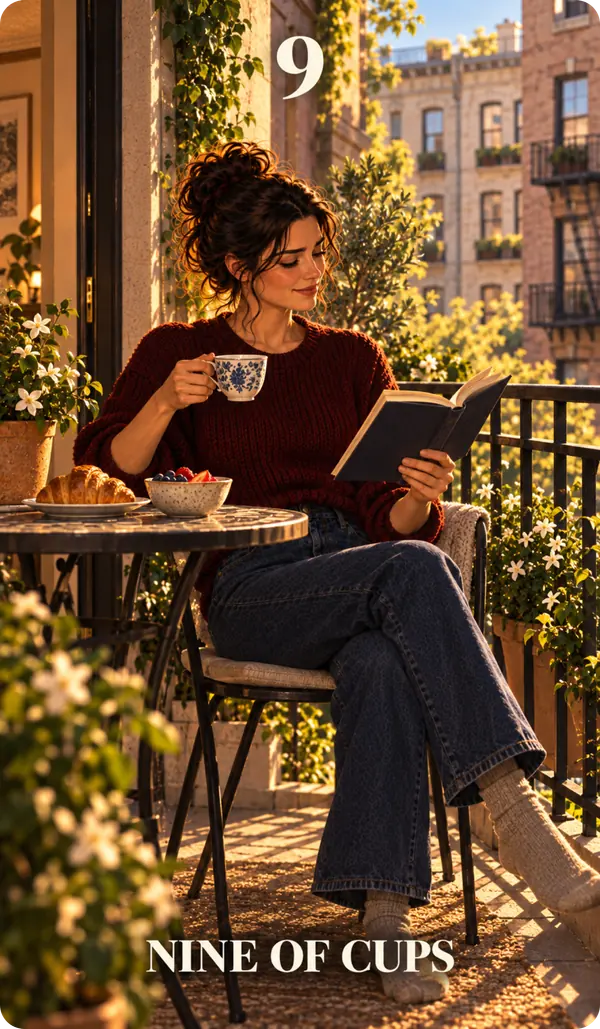 Nine of Cups
 Ten of Cups
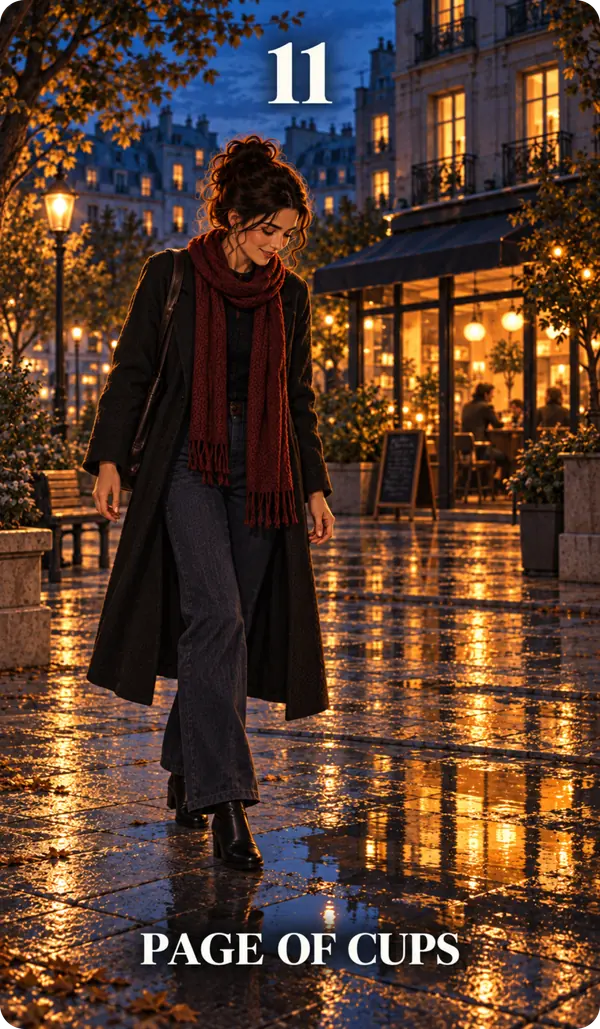 Page of Cups
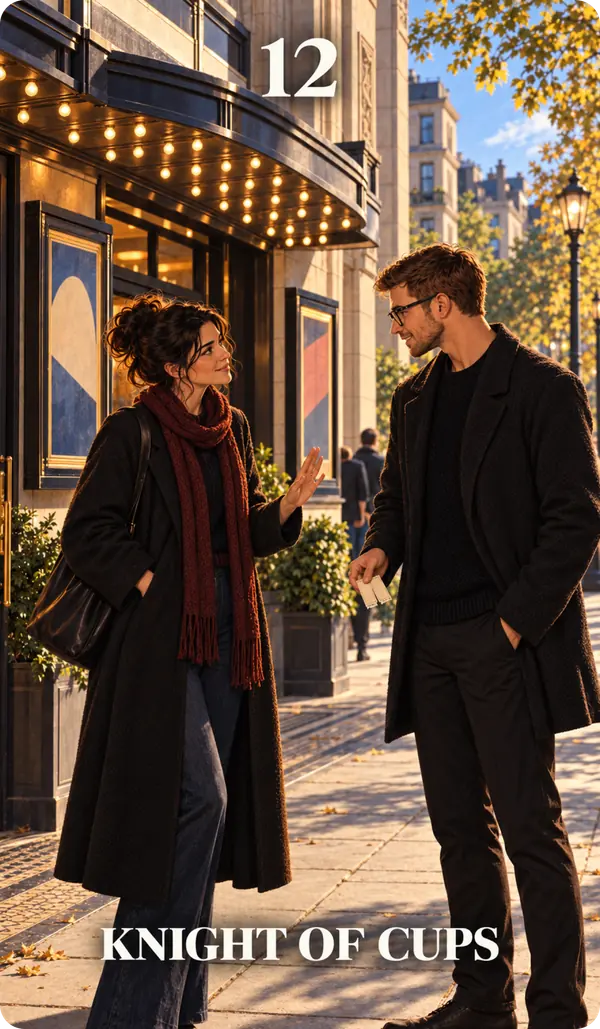 Knight of Cups
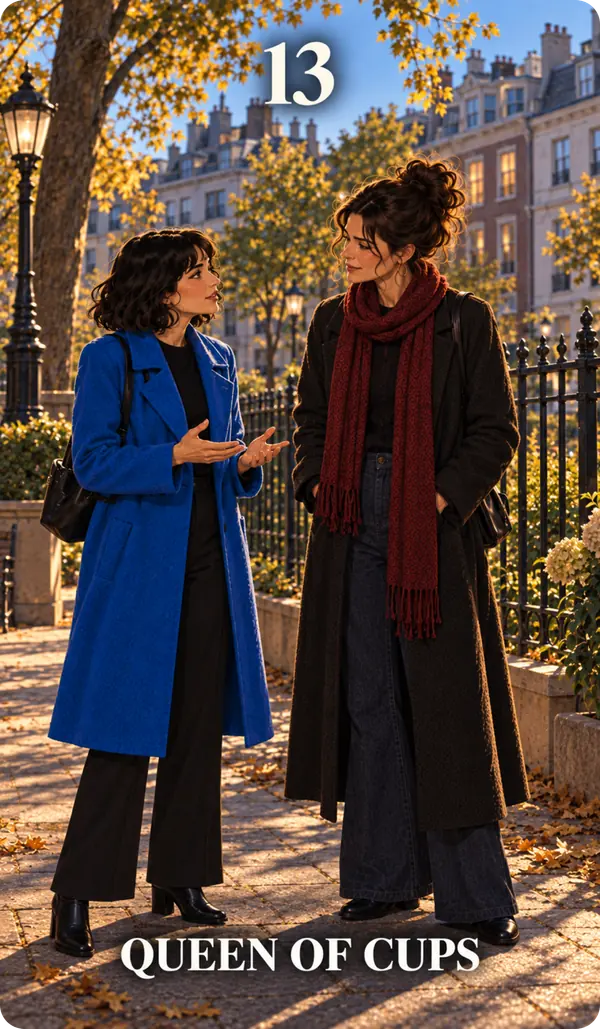 Queen of Cups
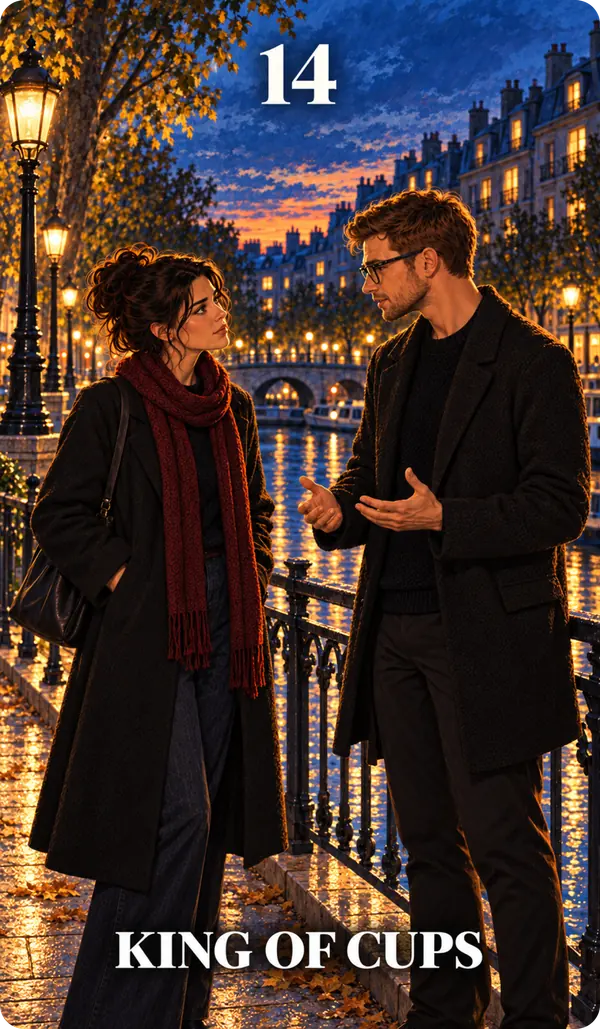 King of Cups
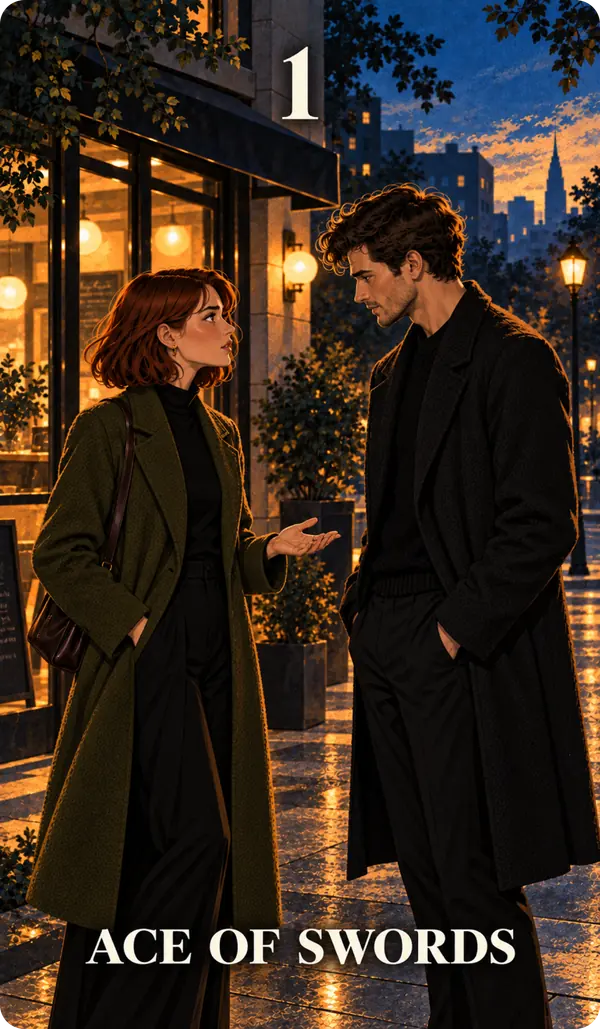 Ace of Swords
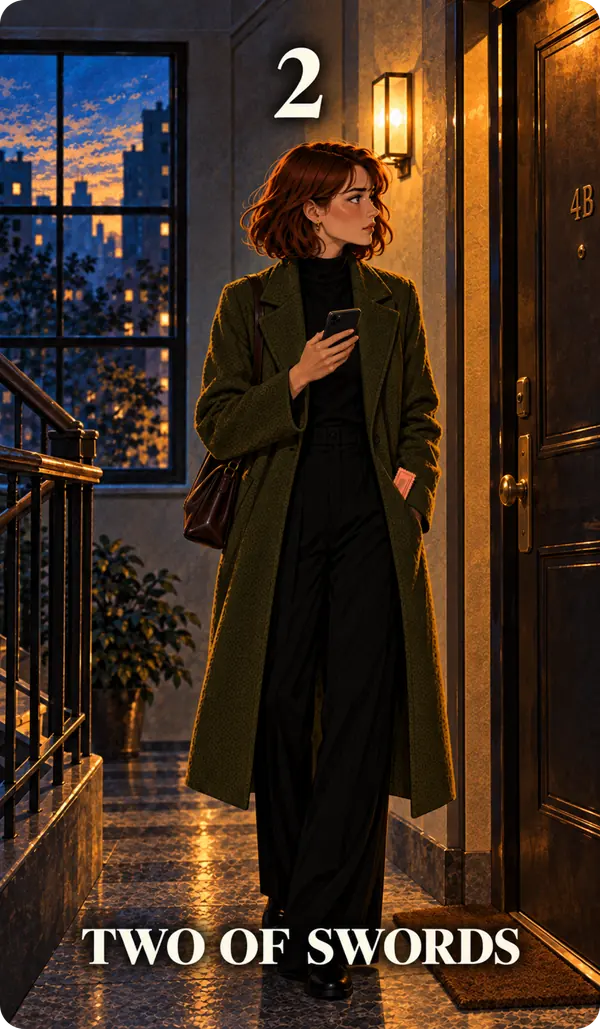 Two of Swords
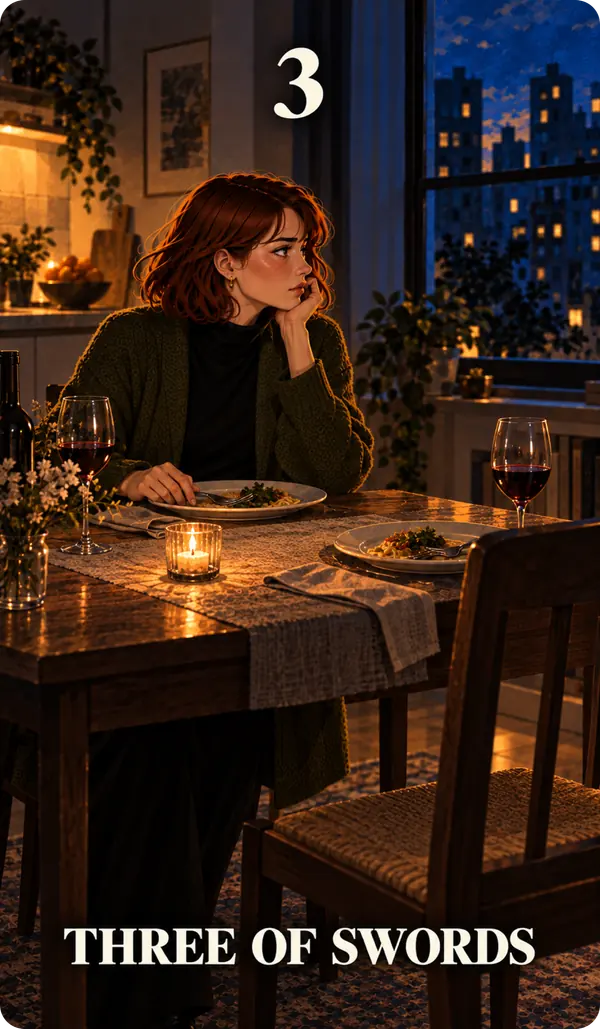 Three of Swords
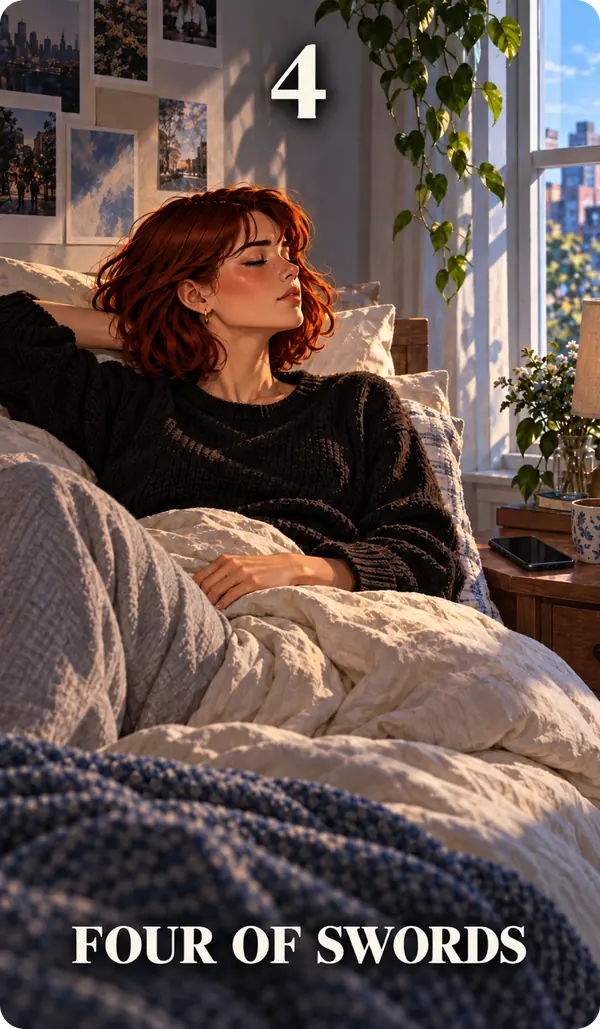 Four of Swords
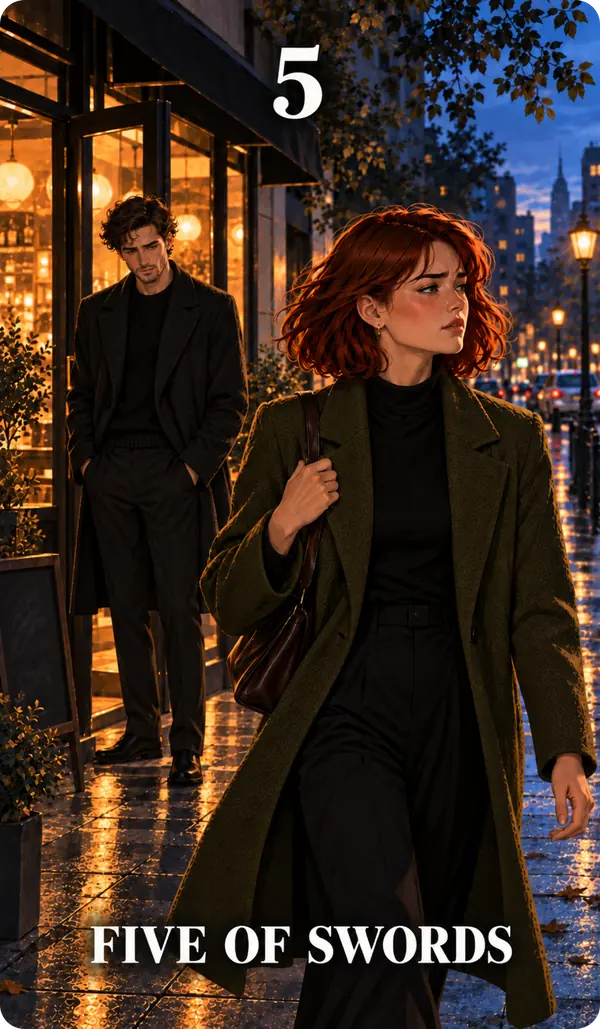 Five of Swords
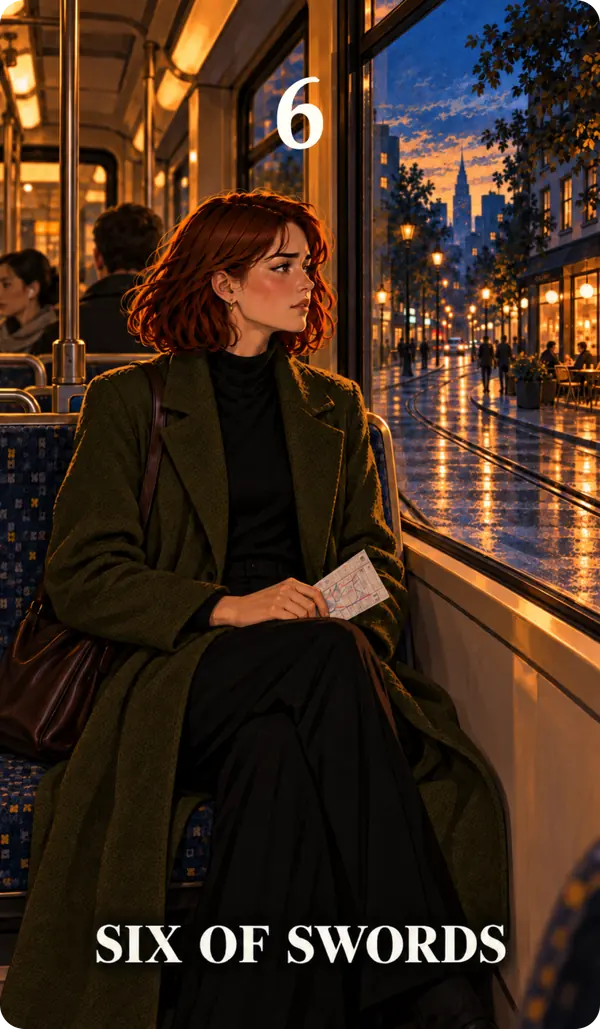 Six of Swords
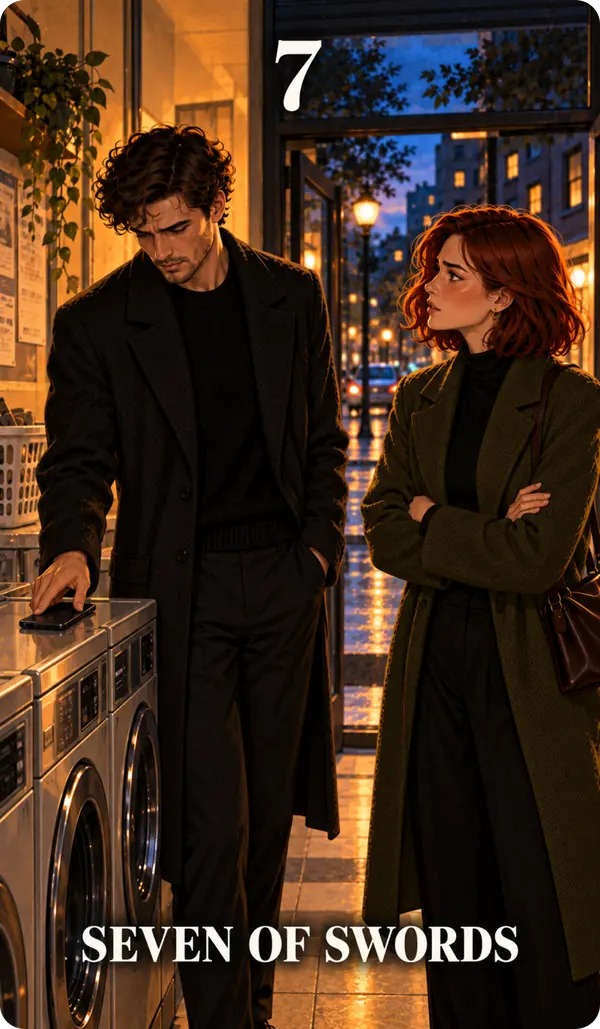 Seven of Swords
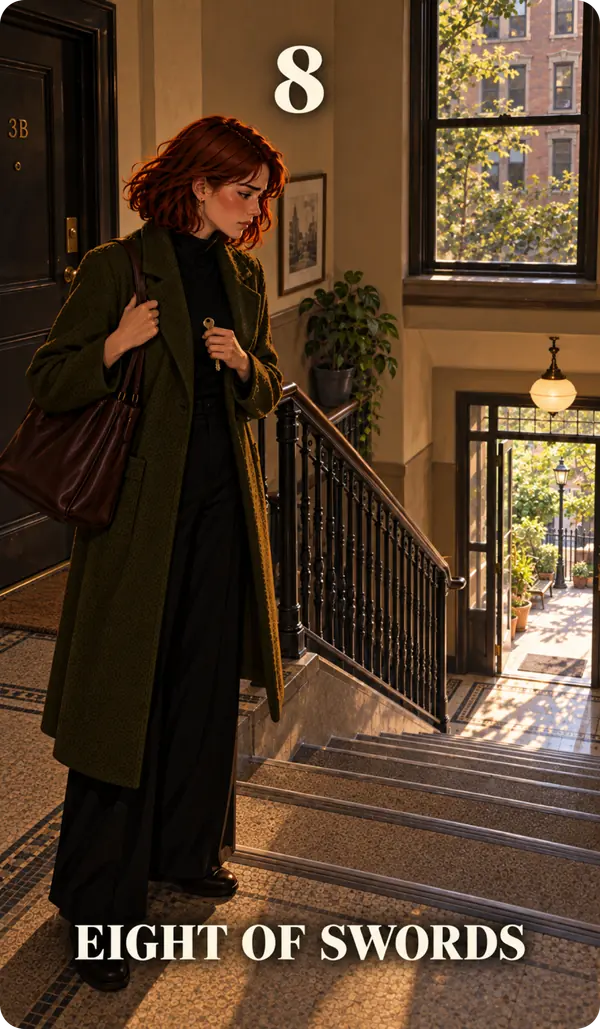 Eight of Swords
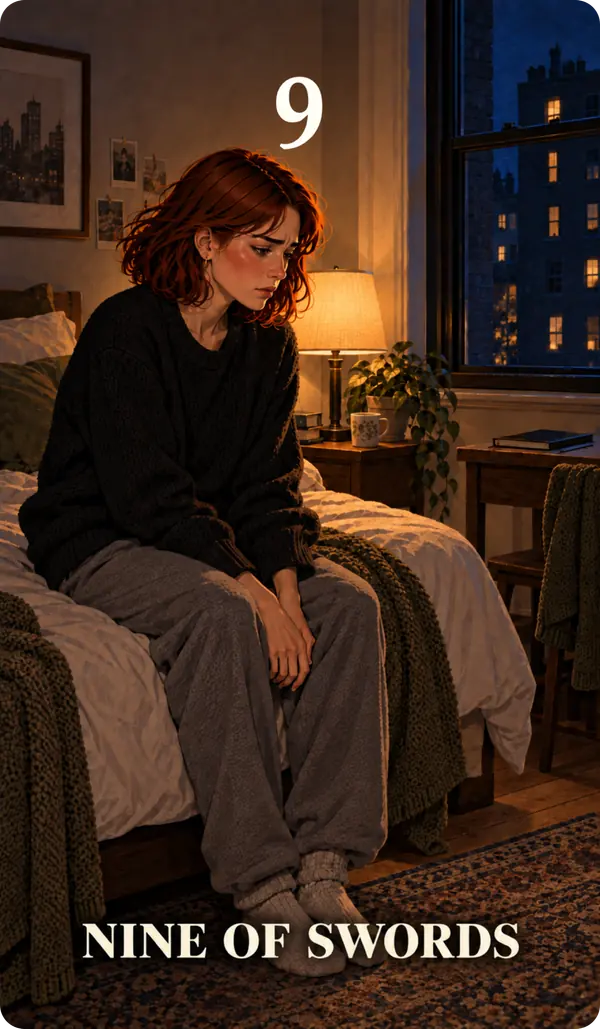 Nine of Swords
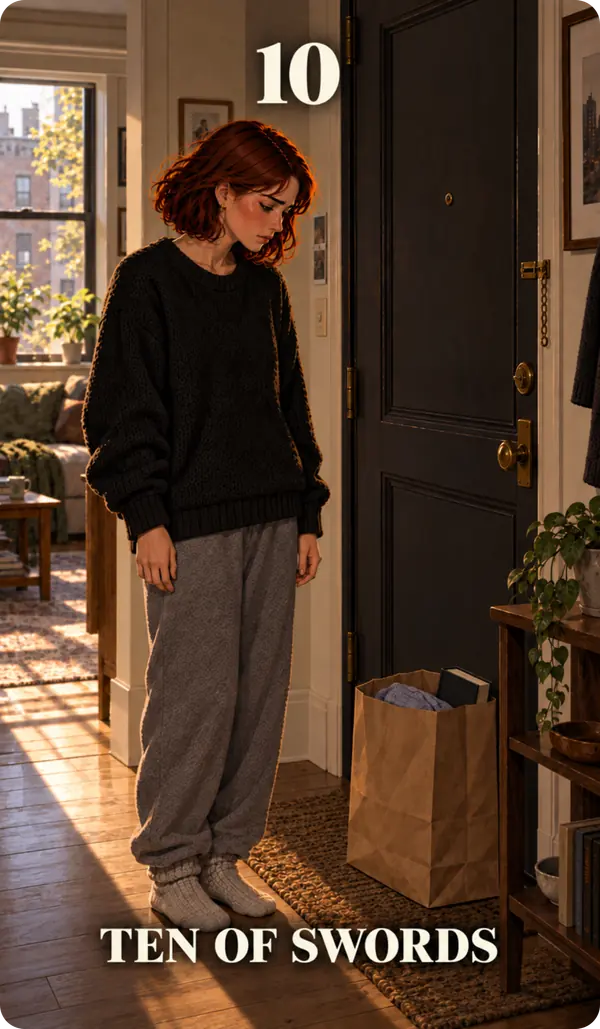 Ten of Swords
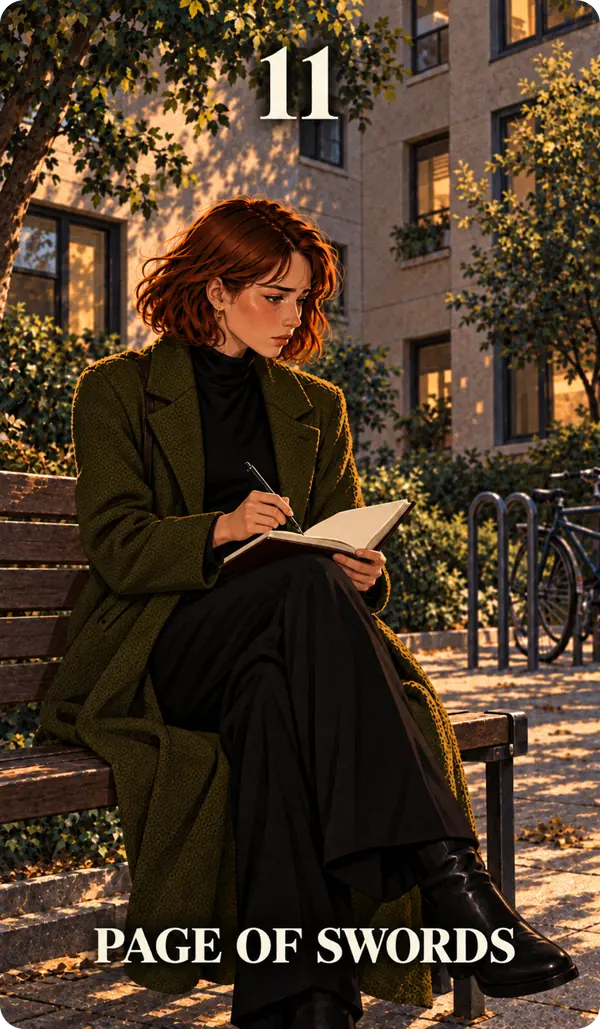 Page of Swords
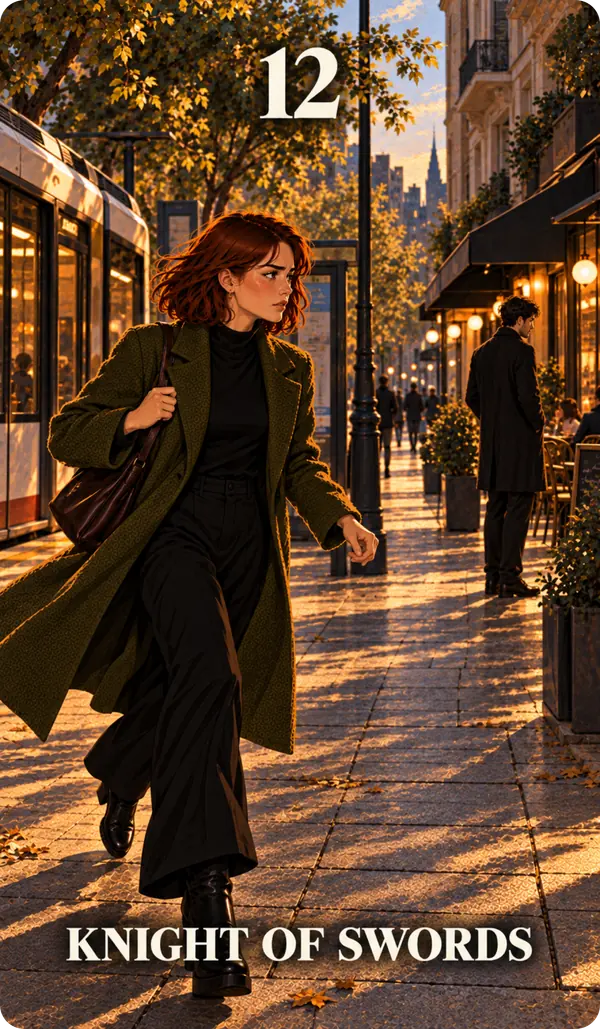 Knight of Swords
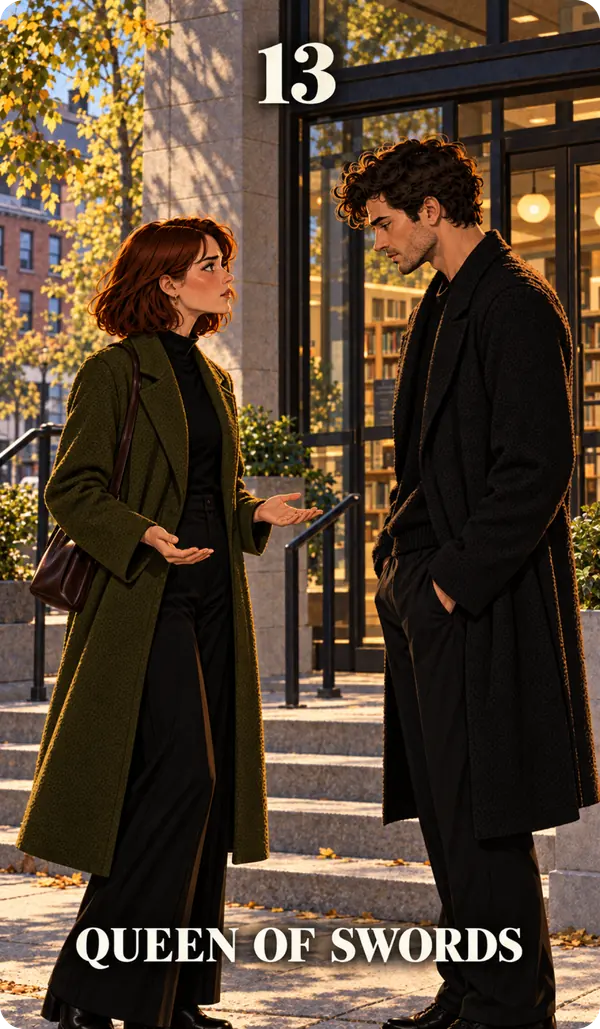 Queen of Swords
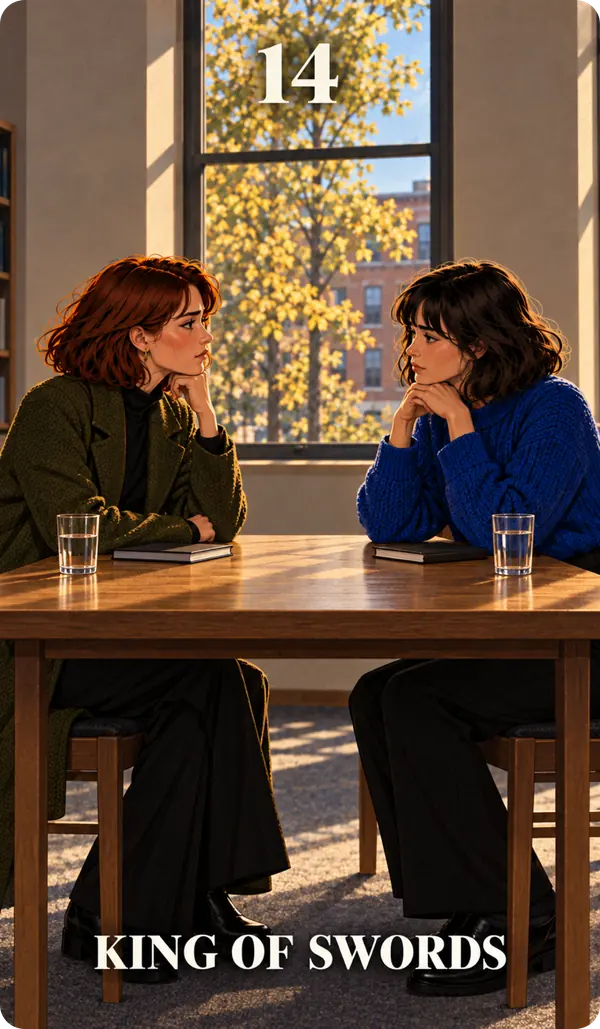 King of Swords
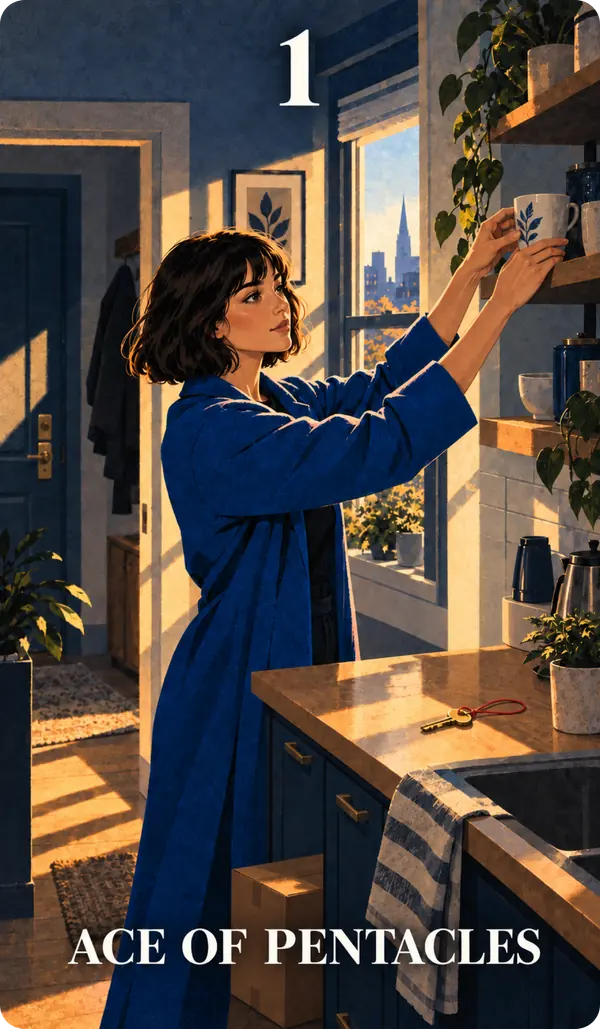 Ace of Pentacles
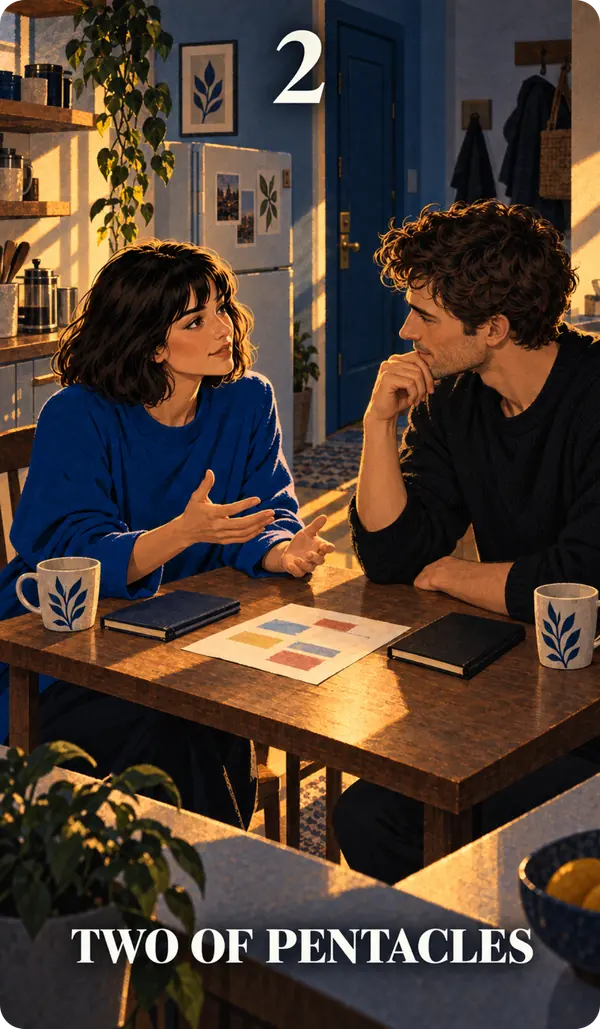 Two of Pentacles
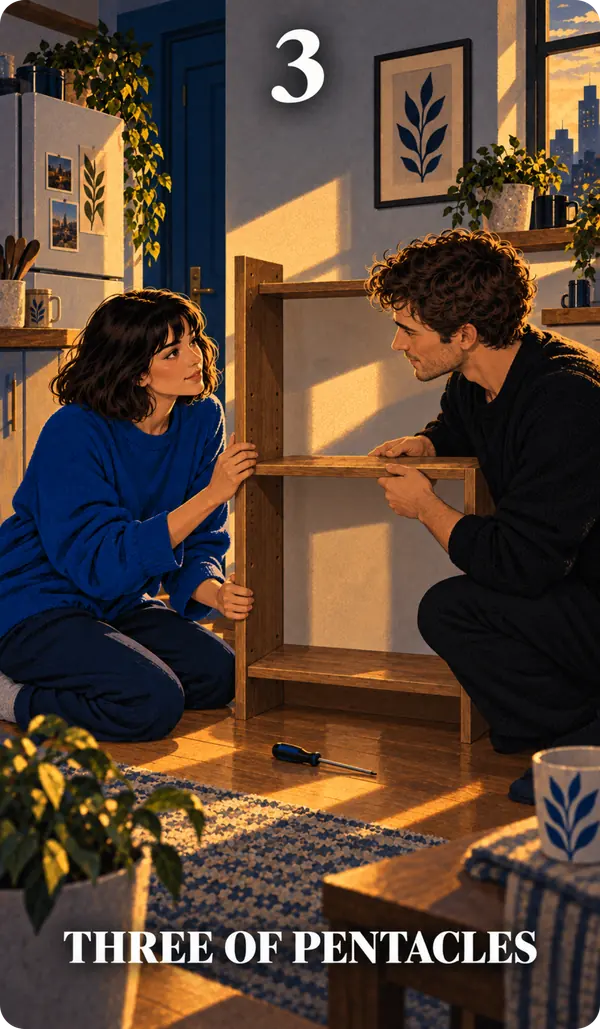 Three of Pentacles
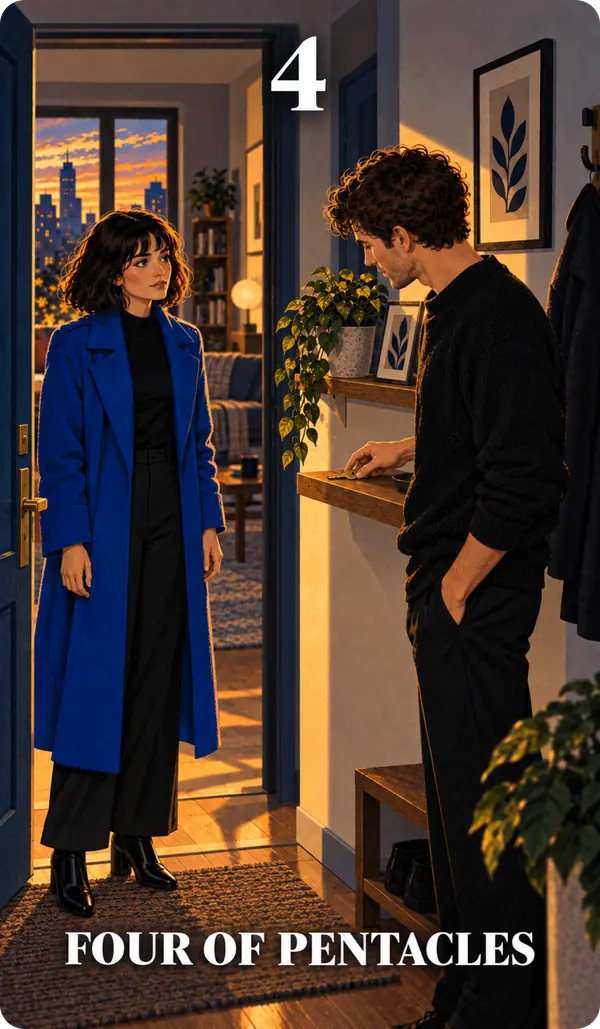 Four of Pentacles
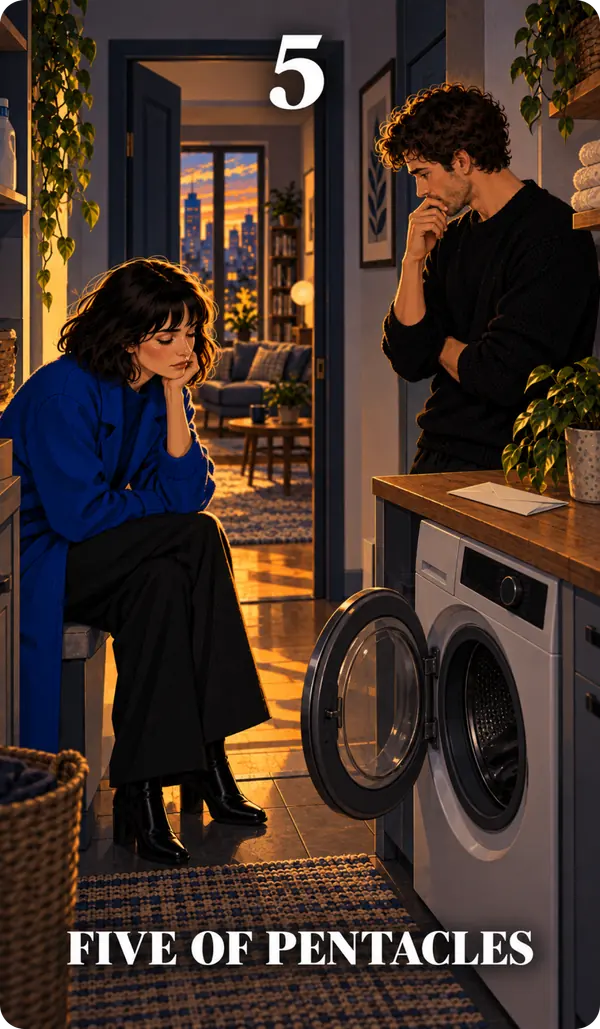 Five of Pentacles
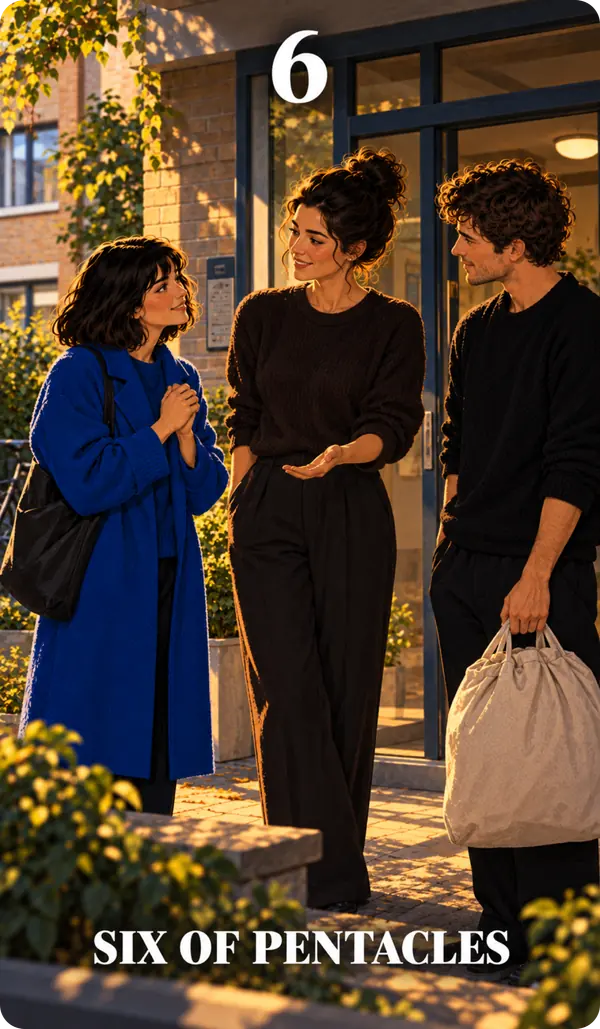 Six of Pentacles
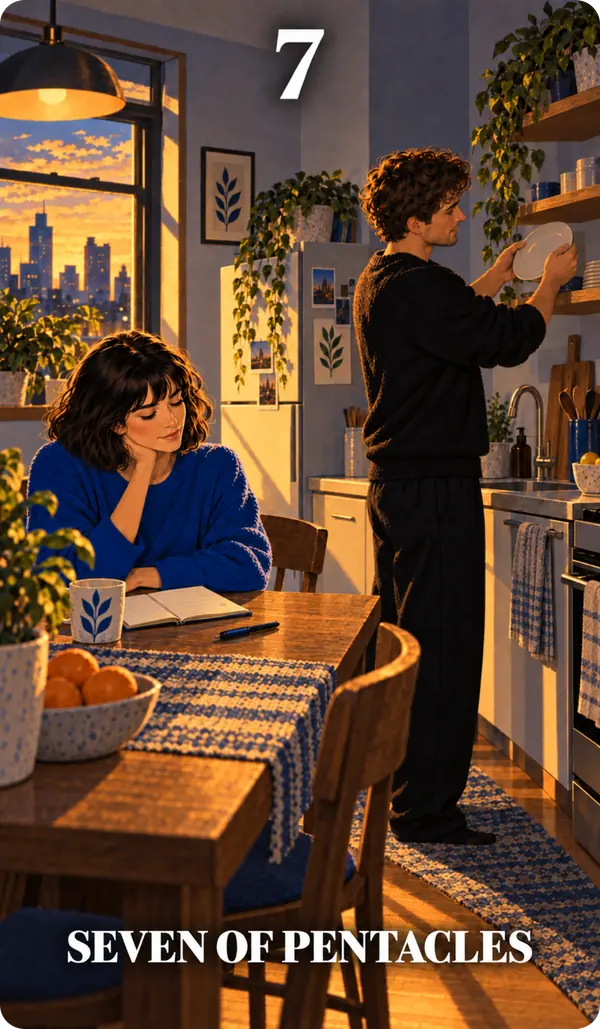 Seven of Pentacles
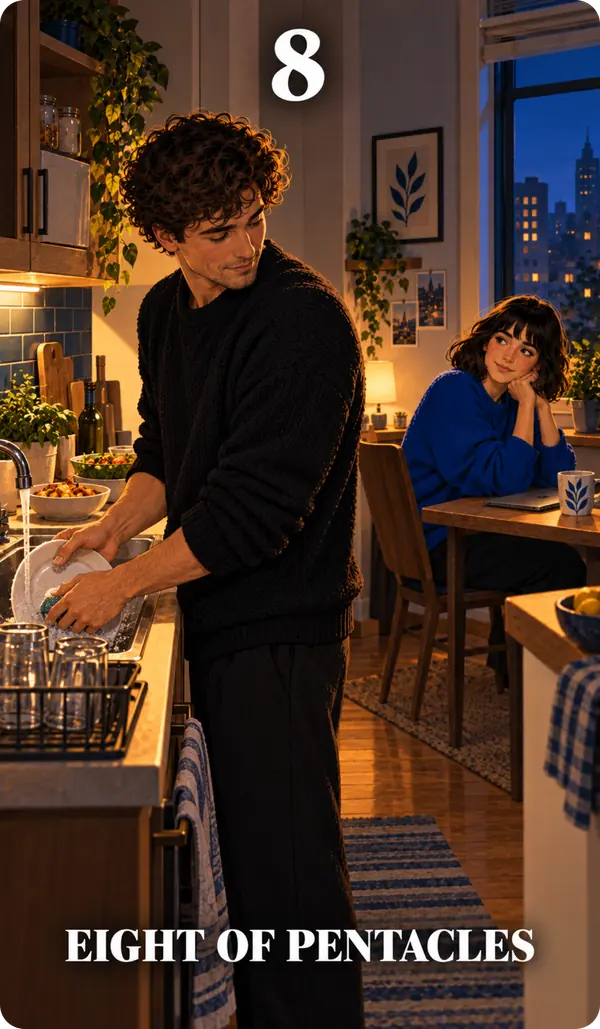 Eight of Pentacles
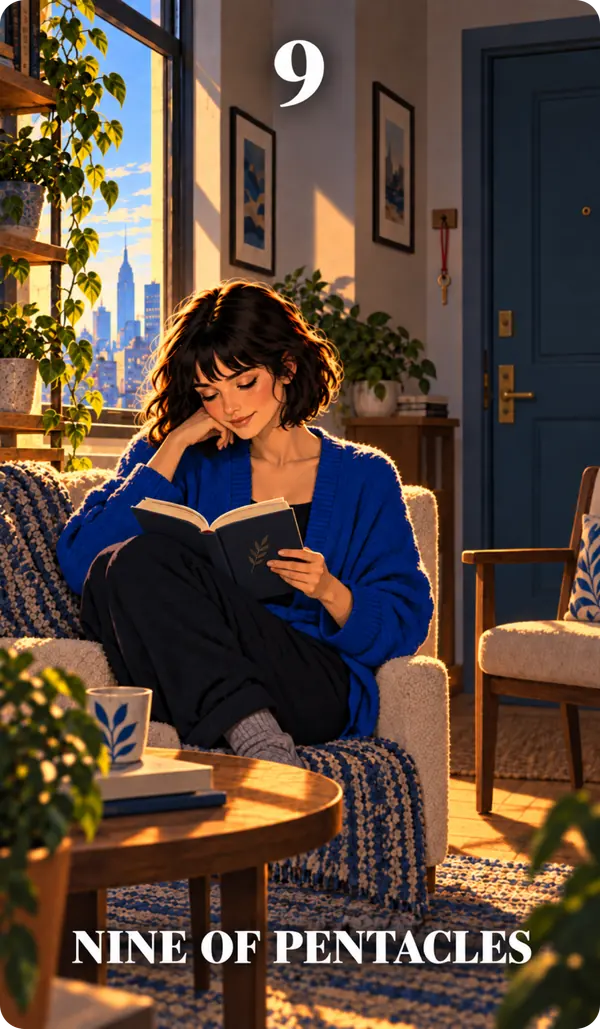 Nine of Pentacles
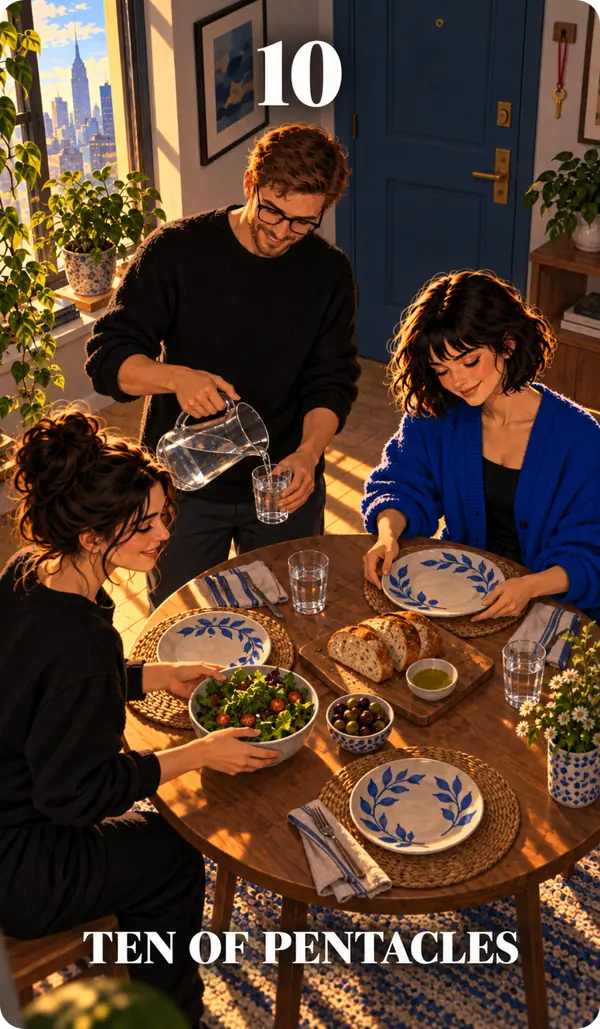 Ten of Pentacles
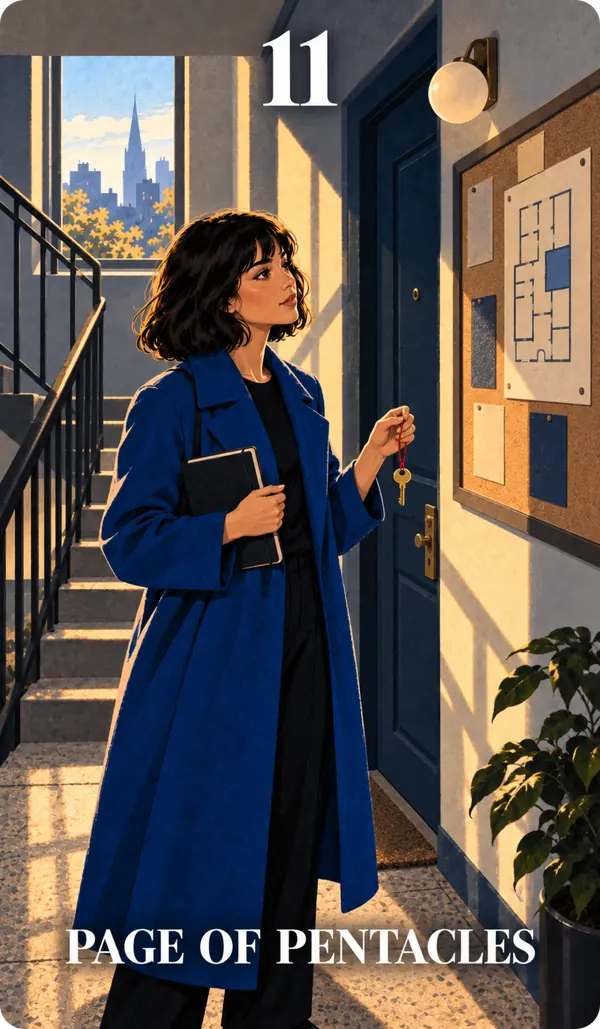 Page of Pentacles
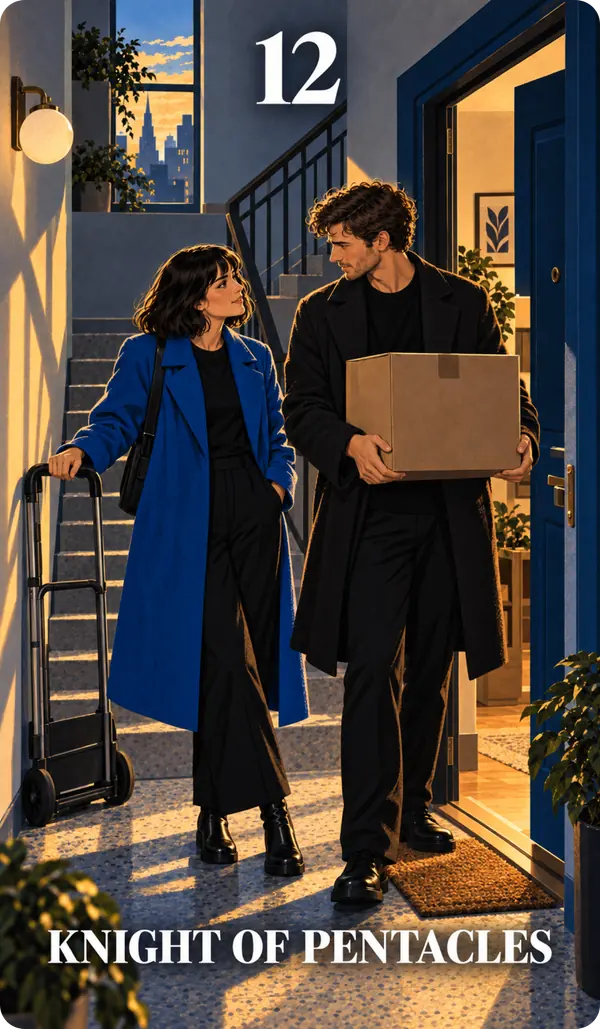 Knight of Pentacles
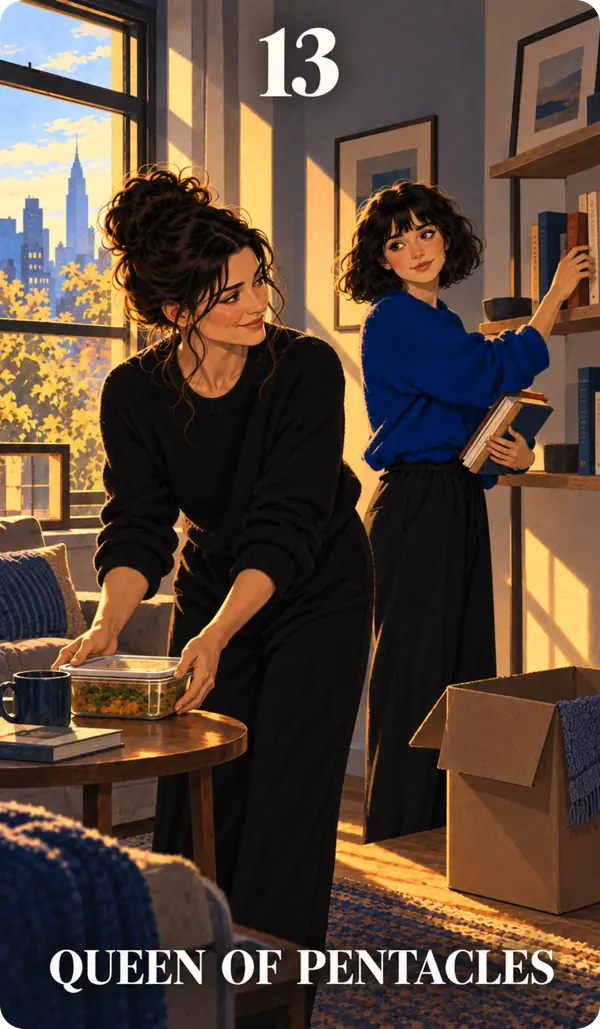 Queen of Pentacles
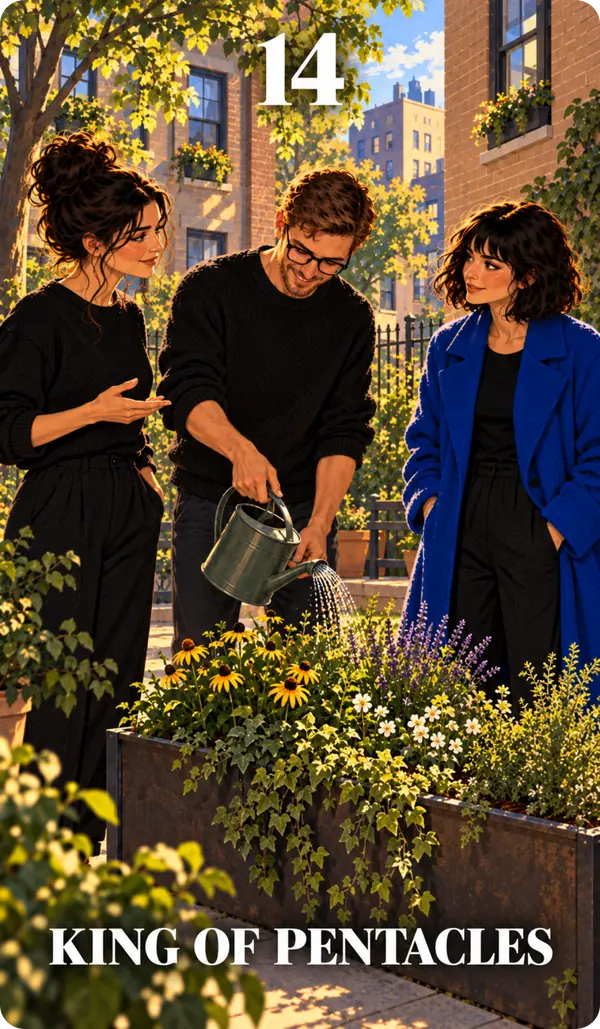 King of Pentacles
Rights
- Artist
- Keymoth
- Author
- Keymoth
- First published
- 2026
- Rights
- © 2026 Keymoth™. All rights reserved.
Methodology
City of Windows was created by the editorial team of this site. It is an original deck about love and relationships with its own system of meanings. This note explains how it reads a card, who lives in its neighborhood, how it treats reversed cards and where it stops.
How the deck reads a card
City of Windows follows the standard tarot structure: 22 Major Arcana and four suits of 14 cards, under the classic suit names. The meanings are the deck’s own and come from its book. Every card shows one moment you could observe in a present-day neighborhood, at a café table, in a doorway, on a stairwell or behind a lit window at night. None of the cards passes a verdict on a relationship.
A card is read in three steps. First describe what is actually visible: who is in the scene, where they stand, what they hold. Then read the meaning, upright or reversed. Last, take the card’s own question and put it to your situation. Every card in the deck’s book ends with such a question, and it always points at a next step you can take.
Objects carry the meaning from card to card. A window marks the edge of what can be known: through the glass you see light, a silhouette or a gesture, but not what drives a person. A door and a key speak of access, consent and the freedom to leave. A ticket is an invitation, and nobody is obliged to accept it. A notebook and a phone set what was said against what was done. Cups, a table, a plant and a toolbox mean something only inside a scene, depending on who offers, who answers, who tends and who carries the weight.
Each suit asks its own question about a relationship. Swords ask what was said, what was checked and how the conversation is built. Cups ask which feeling has been named and whether the other person answers it. Wands ask what we want and what work we have actually agreed to. Pentacles ask how time, money, things, access and the home are shared. The court cards are ways of handling the suit’s theme, not a gender, an age or a rank.
The neighborhood and its people
The Major Arcana follow Mira. She arrives in the neighborhood with a key of her own, meets Lev and builds a shared life with him, with real interest and real care between them. Later it comes out that Lev has been hiding a parallel relationship with Sara and changing his version of events. The deck calls that infidelity, and it calls a story that keeps shifting what it is. It also teaches you to tell suspicion, an inconsistency you can check, pressure and a confirmed fact apart, so you don’t call every silence infidelity or every argument gaslighting.
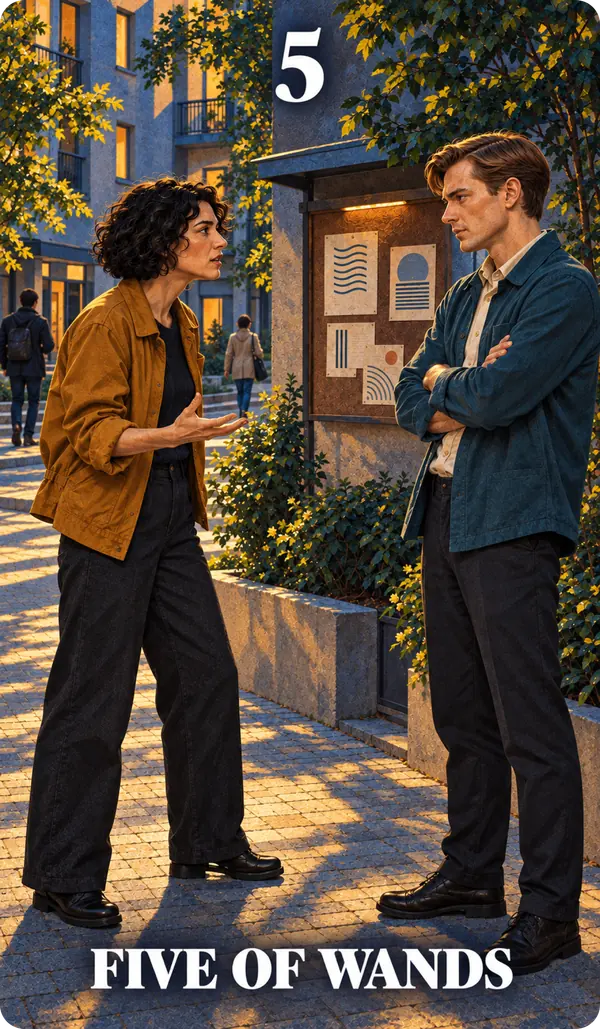
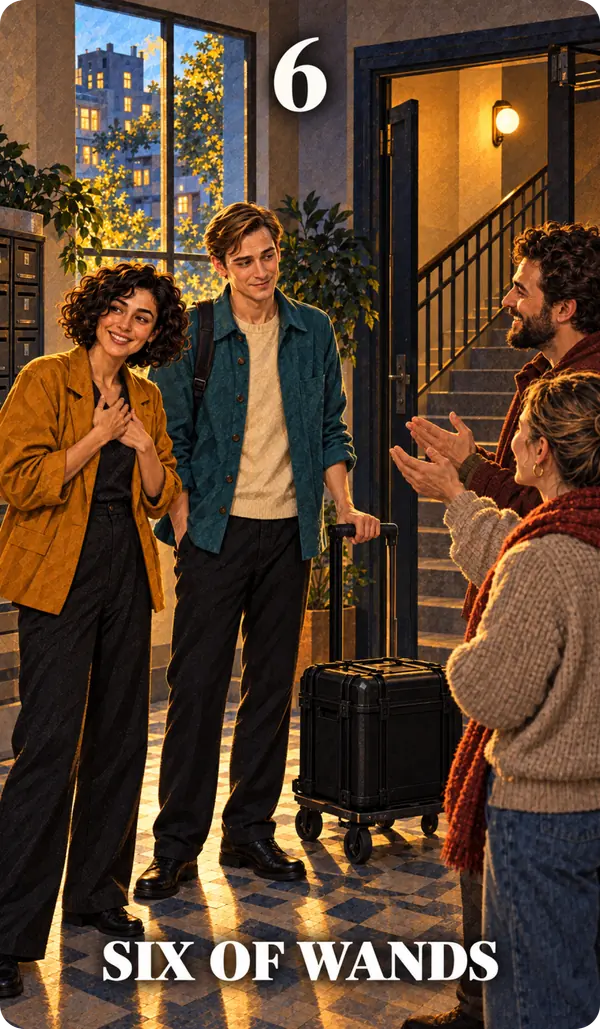
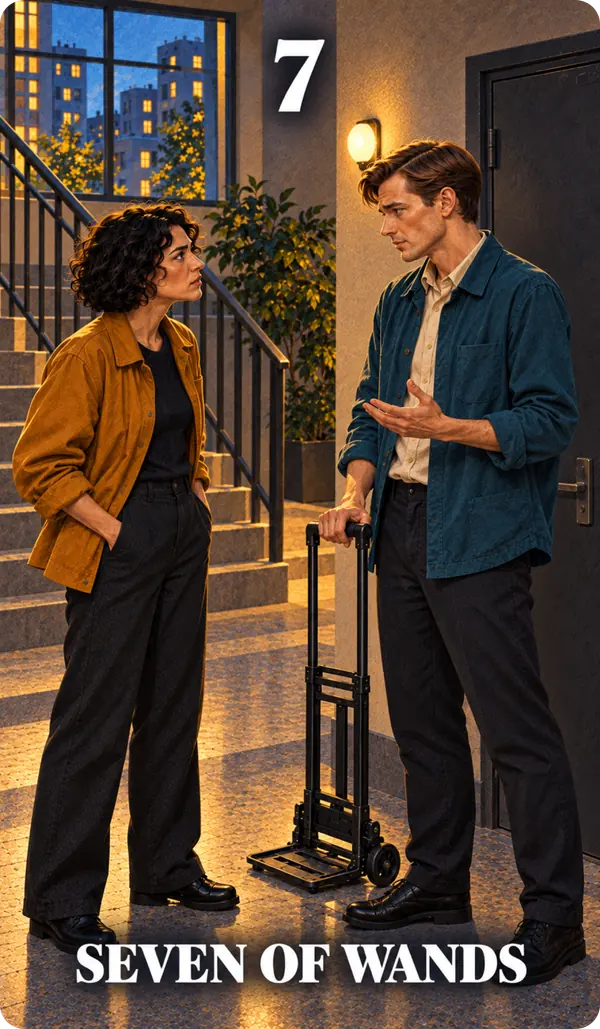
Other stories cross Mira’s in the café, on the stairs, in the courtyard and on the roof. In the Cups, Dana and Sam drift apart and learn to name their tiredness and keep making honest moves after a hard conversation. In the Wands, Nika and Ilya host film nights for the neighbors, and the joy of a shared project runs into unequal work and each person’s right to limit their part. The Swords follow Sara, who is never reduced to “the other woman”: her own decisions and boundaries stay part of the story. The Pentacles come back to Mira’s home, its keys and how it is shared.
In a spread, the names only help you follow the deck. A card can speak about anyone in your life, any role and any way of acting. Mira does not stand for you, and Lev does not stand for your partner. Readers who stay with the deck start to notice the story running through the Major Arcana and the objects that rhyme from card to card; a beginner can start at once by describing what is visible.
Reversed cards in City of Windows
Upright, a card shows a way of acting that is open to you, or a theme in plain view. Reversed, it points to a delay, an imbalance, a defensive reaction, or the first step out of one of them. The neighboring cards and your question tell you which. A reversal does not mark anyone as a bad person, and one card on its own does not prove anyone’s motive.
Questions it suits
The deck answers best when the question is about something you can observe and about your own next step: a new acquaintance, a boundary, what was actually agreed, or a stretch of time when a relationship has become unclear. Instead of “Does he really love me?”, ask “What response am I getting, what have we agreed, and what do I need to clear up?” Write the question down before you draw. Afterwards, write down one fact, one feeling and one assumption on separate lines, so they don’t blur into each other. If the cards pull in different directions, leave the difference in place: your feelings, your words and your daily life may be pulling apart right now.
Where the deck stops
City of Windows helps you frame a question and see the difference between a feeling, an agreement and an action. It names what a card shows, including infidelity, pressure and a story that keeps changing. It does not read another person’s mind, and one image does not settle whether someone has been unfaithful or whether what you live with is abuse or gaslighting. That is settled by what actually happened: dates, messages, what was said and done, and people you trust.
Don’t use a card to overrule another person’s “no”. Don’t turn someone’s tiredness into proof that they don’t love you, or your own desire into permission to take over someone else’s time. A card can point to a conversation or a boundary; the decision and what follows from it belong to your life.
If you are unsure whether a relationship is safe, lean on real events, on records, on people you trust and on the help available where you live. If you are in danger right now, getting to a safe place and reaching someone who can support you comes before any spread.