Two parts of one deck
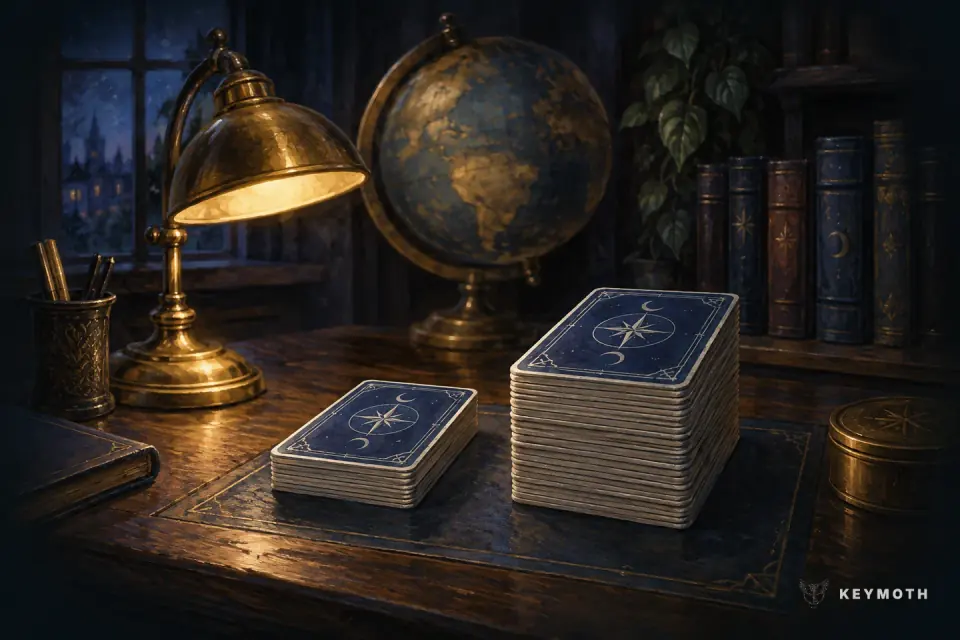
A standard tarot deck has 78 cards. Twenty-two of them make up the Major Arcana, a run of named cards from The Fool to The World. The other 56 make up the Minor Arcana, split into four suits of fourteen cards each: Wands, Cups, Swords and Pentacles. Arcana is Latin for secrets, so the two names simply mean the greater and the lesser secrets.
The two parts answer different kinds of question. Major cards are usually read as the larger themes in a situation, the things that shape a whole stretch of life. Minor cards are read as the texture: what is happening this week, how people are behaving, where the effort is going. A reading needs both, and much of the skill lies in noticing how they relate.
A reading needs both, and much of the skill lies in noticing how they relate.
Our main deck is the Rider–Waite–Smith, first published by Rider & Son in 1909, with art by Pamela Colman Smith under the direction of A. E. Waite. Each of its 78 cards has its own page in the card index, and the facts below come from those cards.
Past · Present · Future
Where this began, where it stands now, and where it is heading.
- Past
- Present
- Future
The Major Arcana: 22 cards, 0 to 21
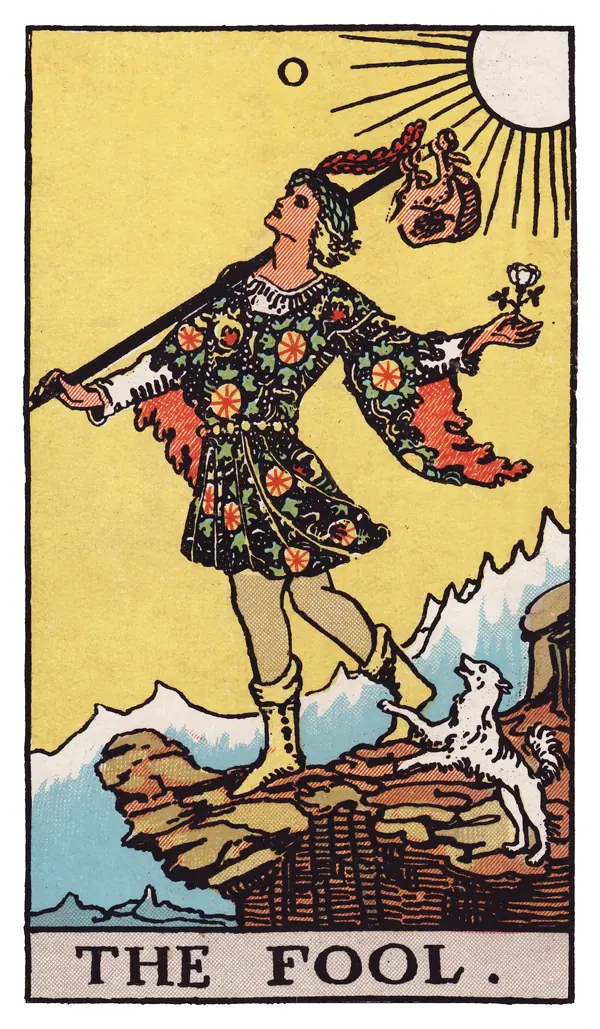
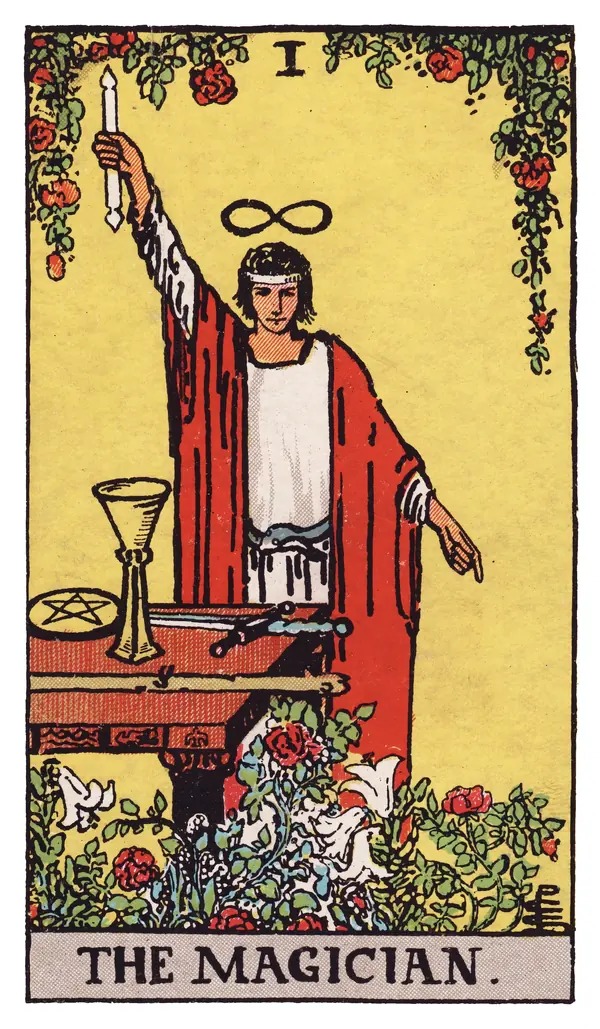
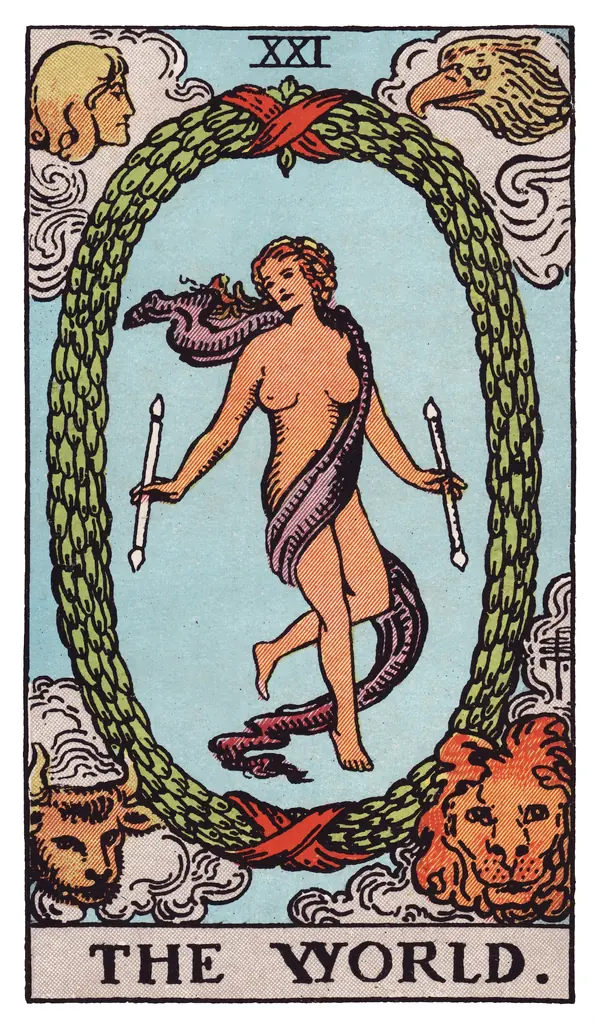
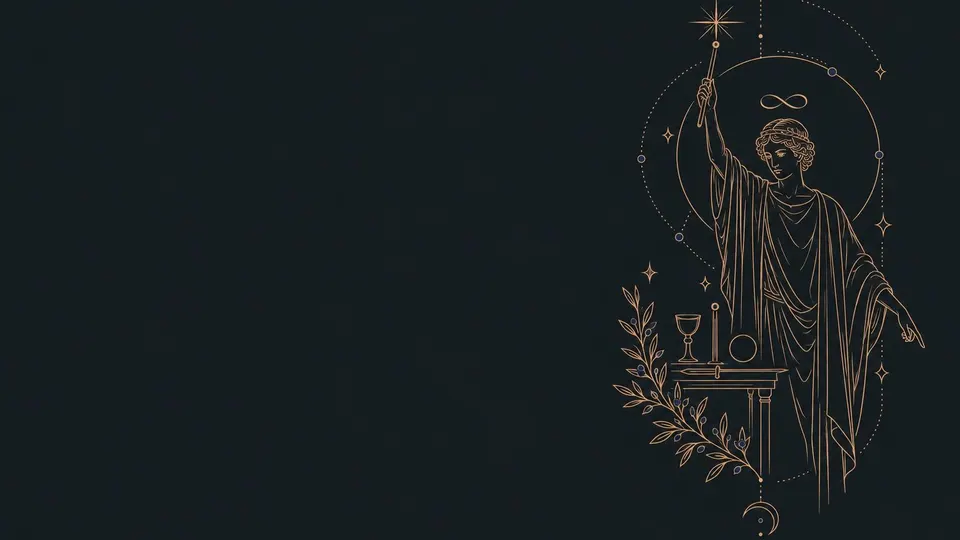
Each Major card has a number and a name, and most carry a traditional link to a planet, a sign or an element. The Fool is number 0, the unnumbered card that opens the sequence. The Magician, number 1, is often read as intention turned into action. The World, number 21, closes the run and is usually read as completion.
Because the cards are numbered, many readers treat them as a story, often called the Fool’s journey: the Fool sets out and meets each of the other cards in turn. The framing is a teaching device rather than a fixed doctrine, but it helps the 22 cards stick, and it shows how one card leads into the next.
The sequence in broad strokes
One common way to read the sequence splits it into three stretches of seven after the Fool:
- 1 to 7, The Magician to The Chariot: learning to act in the world. Skill, intuition, care, structure, tradition, choice and willpower each get a card.
- 8 to 14, Strength to Temperance: the inner work. Patience with a hard impulse, solitude, the turn of a cycle, fairness, a pause, a real ending and a slow rebalancing.
- 15 to 21, The Devil to The World: what comes after. Attachment, sudden upheaval, hope, uncertainty, clarity, a call to respond and, last, completion.
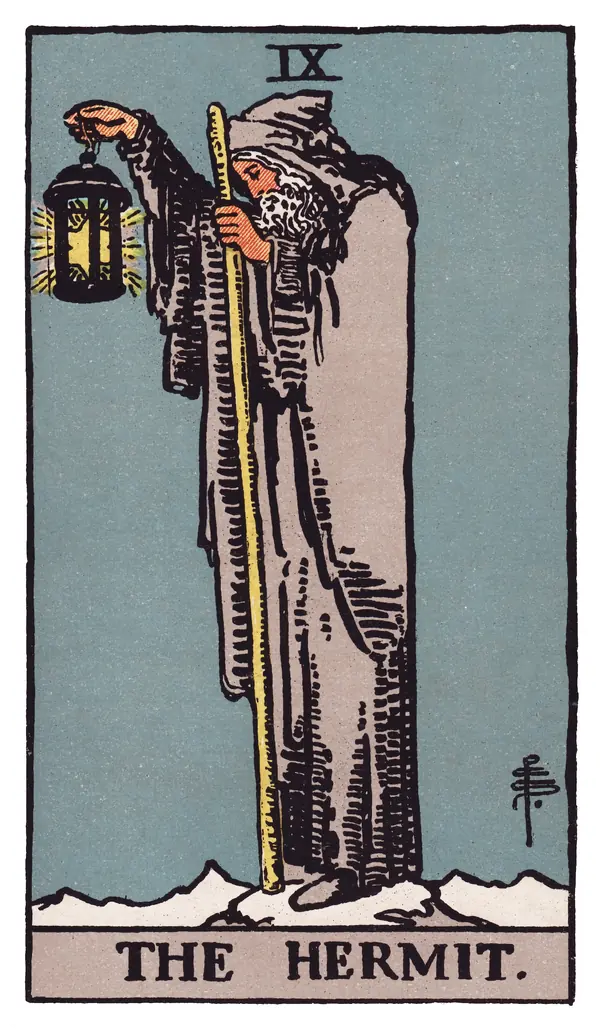
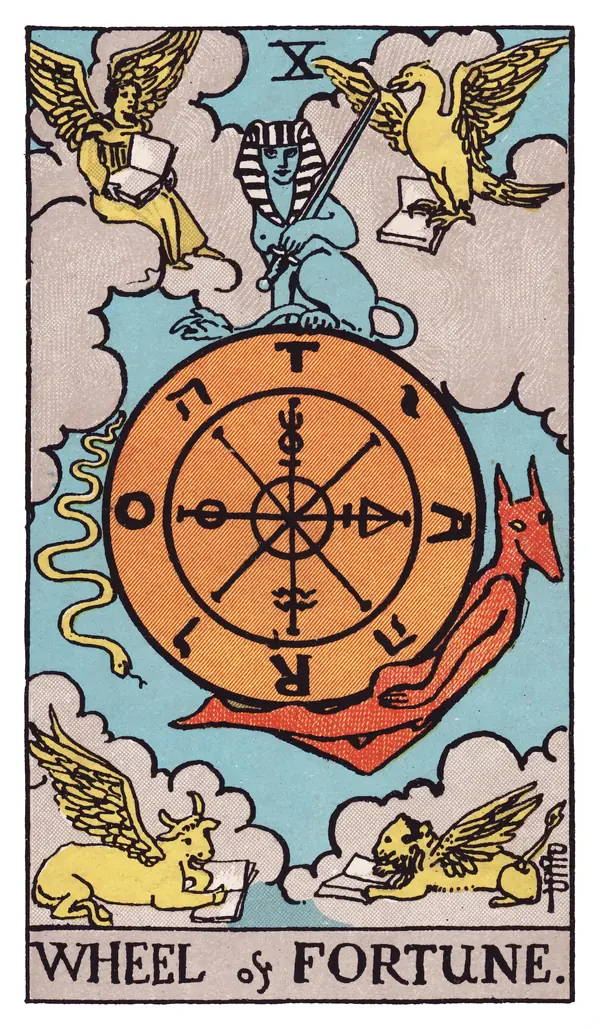
The Hermit, number 9, sits in the middle stretch and is usually read as stepping back to think. Wheel of Fortune, number 10, marks a cycle completing and turning over. Seen as a sequence, a middle card reads differently from an end card: a pause on the way is not the same as arriving.
One detail of the Rider–Waite–Smith numbering trips people up. Strength is 8 and Justice is 11. Some older decks number the two the other way round, which is why other books may show Justice at 8.
The Minor Arcana: four suits of fourteen
Every suit follows the same pattern: ten numbered cards, Ace to Ten, and four court cards, Page, Knight, Queen and King. The suit gives the area of life, and the rank gives the stage. Wands are linked with action and creative drive, Cups with emotion and connection, Swords with thought and communication, and Pentacles with material resources, work and the body. The four tarot suits have a guide of their own.
Numbered cards, Ace to Ten
The numbered cards, sometimes called pips, trace a suit from start to finish. The Ace is the raw seed of the suit before it takes shape. The middle numbers bring planning, friction, rest and effort. The Ten is the last number in the suit’s cycle, where things come to completion or, as with the Ten of Wands, where someone is carrying too much at once.
In the Rider–Waite–Smith deck each numbered card shows a full scene with people in it. In many older decks the pips show only an arrangement of suit symbols, so the scenes are a large part of why this deck is easy to start with.
Court cards: Page, Knight, Queen, King
The sixteen court cards show a suit’s energy as a way of being. In our deck the Page is a beginner’s energy, curious and still learning. The Knight is the suit in active pursuit, sometimes impulsive. The Queen and King both show mastery, the Queen through warmth, empathy or care, the King through vision, command or steady authority.
A court card can describe another person in the situation, or a way you are handling it yourself. Readers differ on which to try first, and the question usually decides. In a question about a colleague, a King of Swords might be the colleague; in a question about your own plans, it might be the part of you that insists on getting the facts straight.
How Major and Minor cards weigh in a spread
Major cards are not more important than Minor ones, but they tend to carry more weight. When a Major card lands in a spread, many readers treat it as the theme the other cards arrange themselves around. A reading with several Majors often points to something larger than the question as it was asked. A reading made mostly of Minors tends to be about the practical and the adjustable: what to try, what to talk about, where effort is going.
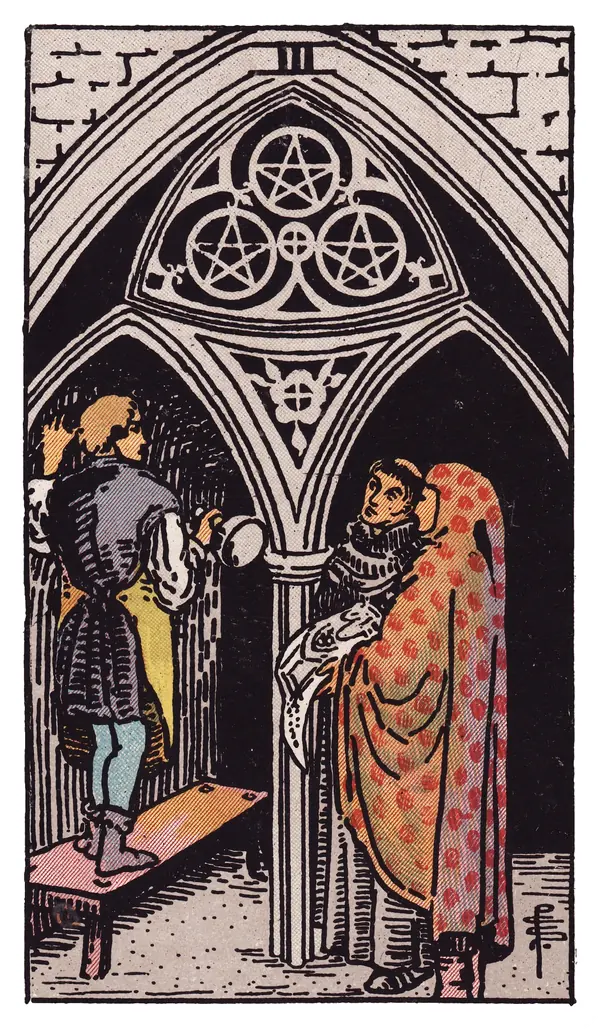
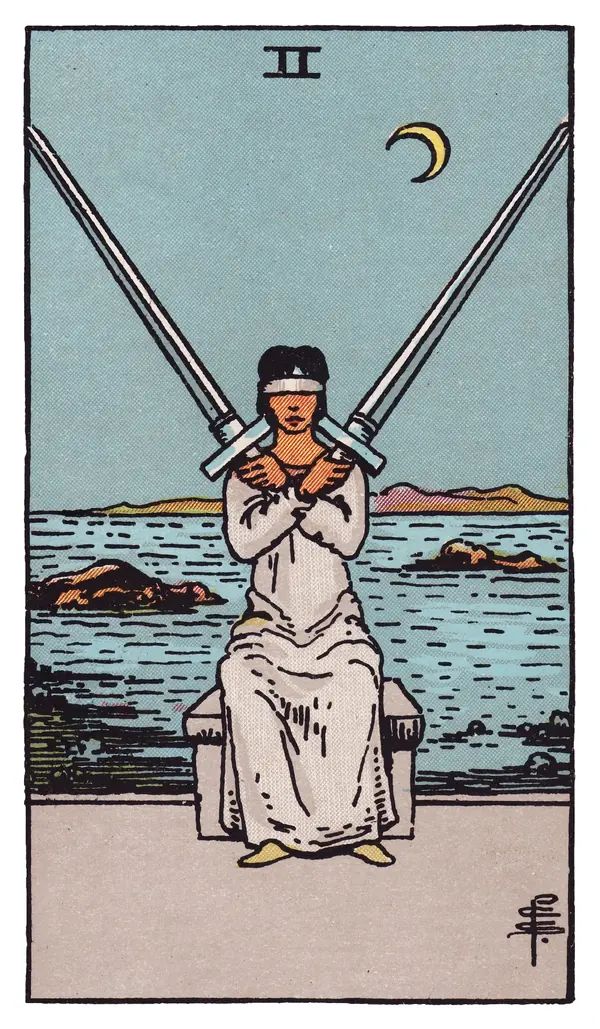
An example. Say a three-card Past · Present · Future reading turns up the Three of Pentacles, the Two of Swords and Wheel of Fortune. The first two are Minor. They describe skilled work done together, and then a hard choice being put off. The last is Major, and in the future position it suggests the situation may be heading toward a real turn of the cycle, one that isn’t fully in anyone’s hands. The Minor cards show where you can act; the Major card shows the larger movement they sit inside.
Some readers draw only from the Major Arcana for big-picture questions. It works, and it gives short, strong readings, but it leaves out the everyday detail that makes a reading usable. If you are learning, start with the full deck and let the balance of Major and Minor cards tell you something too.
Where to start learning
Many people learn the 22 Major cards first, because there are few of them and they are memorable. Another route is to take one suit at a time, reading its numbered cards as a story from Ace to Ten and then meeting its court. Either works. What helps most is reading real spreads, looking up each card as it comes, and returning to the ones that keep turning up.
Once the cards feel familiar, a larger spread shows how Major and Minor cards trade places across ten positions. The Celtic Cross, position by position walks through one.
Frequently asked questions
How many cards are in the Major and Minor Arcana?
The Major Arcana has 22 cards, numbered 0 to 21. The Minor Arcana has 56: four suits of fourteen, each with ten numbered cards and four court cards. Together they make the 78 cards of a standard deck. Arcana is Latin for secrets, so the two names simply mean the greater and the lesser secrets.
Are the Major Arcana more important than the Minor Arcana?
Not more important, though usually heavier. Major cards tend to name the larger theme, the thing that shapes a whole stretch of life, and Minor cards show the day-to-day detail: what is happening this week and where you can act. A reading generally needs both, since noticing how they relate is much of the skill.
What does it mean when a reading has lots of Major Arcana cards?
Many readers take it as a sign that the question touches something larger, a stretch of life rather than a single event. It is not a warning. Read each Major card in its position and look for the theme they share.
Can you read tarot with only the Major Arcana?
Yes, some readers draw only from the Major Arcana for big-picture questions. It works, and the readings come out short and strong in tone, but they lose the everyday detail that makes a reading usable. For everyday questions the full deck usually gives more to work with, and if you are learning, starting there lets the balance of Major and Minor cards tell you something too.
Do court cards represent people?
Sometimes. A court card can describe another person in the situation, or a way you are handling it yourself. Readers differ on which to try first, and the question usually decides: in a question about a colleague, a King of Swords might be the colleague, and in a question about your own plans, it might be the part of you that insists on getting the facts straight.
Written by the editorial team · Reviewed on November 11, 2026 · Method →