All readings

Two Paths

Compare the gifts and tensions of two directions before choosing your way.

Coming soon

Personal interpretation

A reading shaped by your question

When available, personal interpretation will use your question with the selected deck’s meanings, author notes, card orientations, and spread positions. Relevant date and time context will be included only when the reading supports it. This feature is still in development.

Your own question is still brewing in the cauldron; it will be ready soon.
or
Selected · Available now

Canonical reading

Read the cards through five fixed positions. No question needed.

Your five positions

  1. You now
  2. Path A gift
  3. Path A risk
  4. Path B gift
  5. Path B risk
  • General overview
  • No typing
  • Immediate reading

About this spread

A longer guide to this spread

What it is for, how its positions are read, and where to go next.

Two Paths is a five-card reading for choosing between two directions. One card shows where you stand, then each path gets two cards: what it offers and what it could cost. Take it when both options look reasonable and you feel torn.

For questions like

  • “Move to a new city for work, or stay close to family: how do these two paths look?”
  • “Should I keep renting, or start saving for a place of my own?”
  • “Study for a new career, or grow where I already am at work?”
  • “Stay single a while longer, or open myself up to dating again?”

The positions

  1. 1You now: Where you stand before choosing.
  2. 2Path A gift: What the first path offers.
  3. 3Path A risk: What the first path could cost.
  4. 4Path B gift: What the second path offers.
  5. 5Path B risk: What the second path could cost.

How to read it together

Begin with You now, the card at the base. It describes where you stand before choosing and colours how both paths read. Then take each path as a pair, its gift first and then its risk, so you see what it offers alongside what it could cost. Only after reading both pairs, compare them across: which gift matters more to you, and which cost you could live with. Neither path is marked as the right one; the spread lays them side by side so the weighing is yours. A heavy risk card is information about the price of that road, not a warning to avoid it. A reversed card in a gift or risk position shows that offer or cost in a more hidden, delayed or partial form.

A worked example

Say the question is: “Staying in my current job or going back to study: how do the two paths compare?”

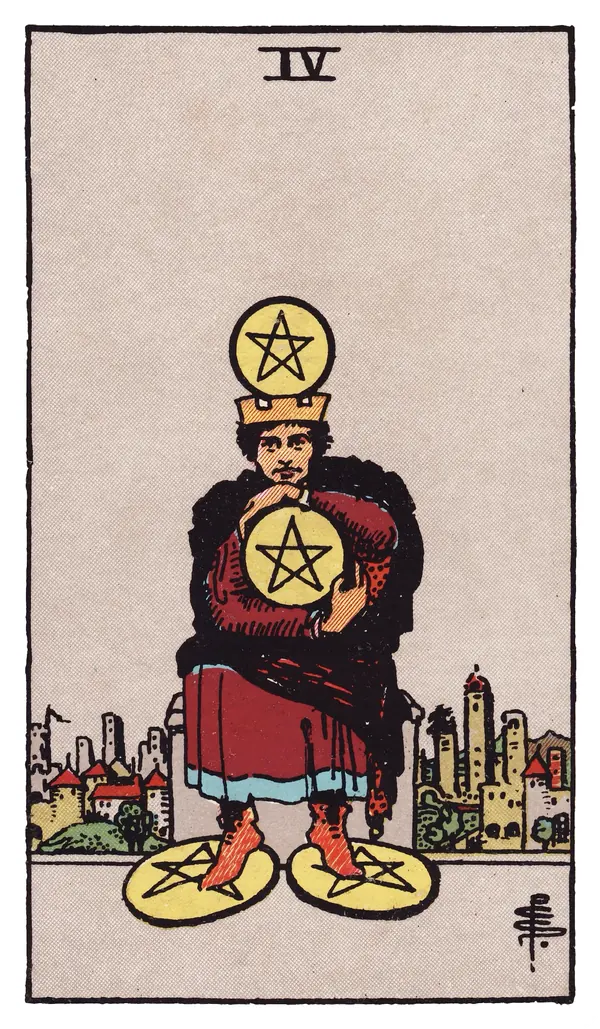
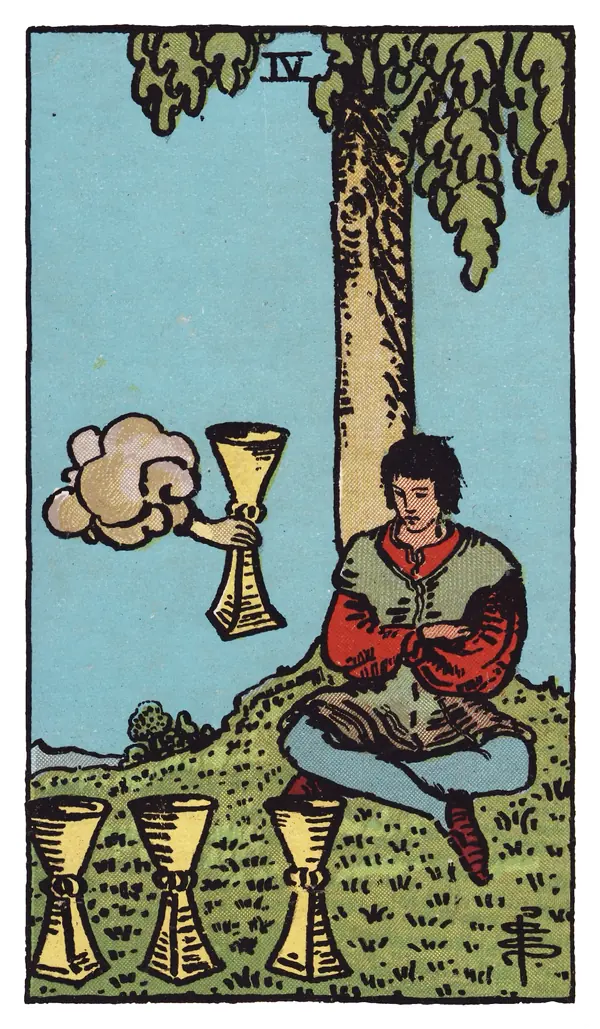
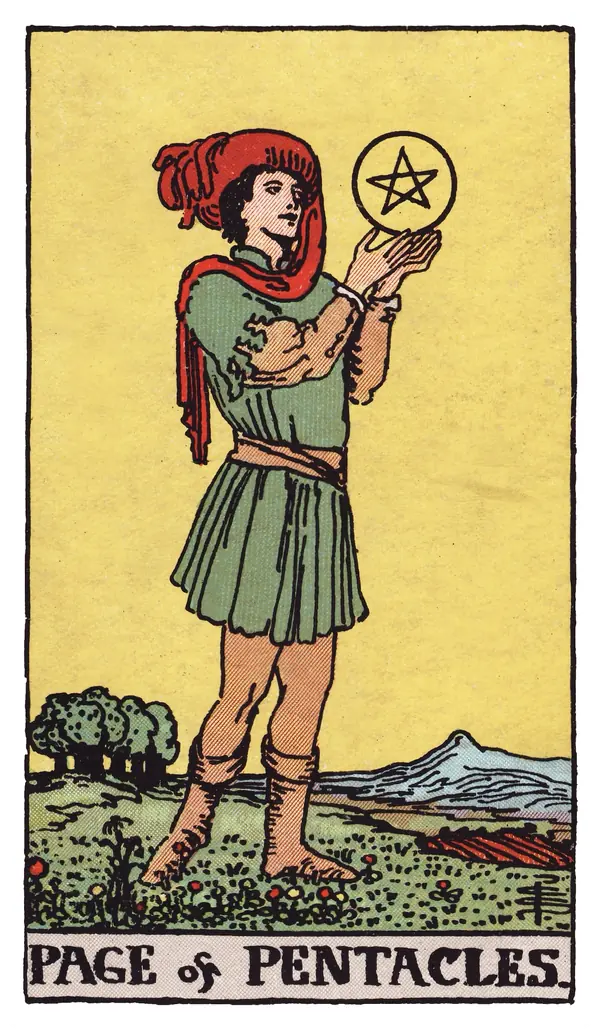
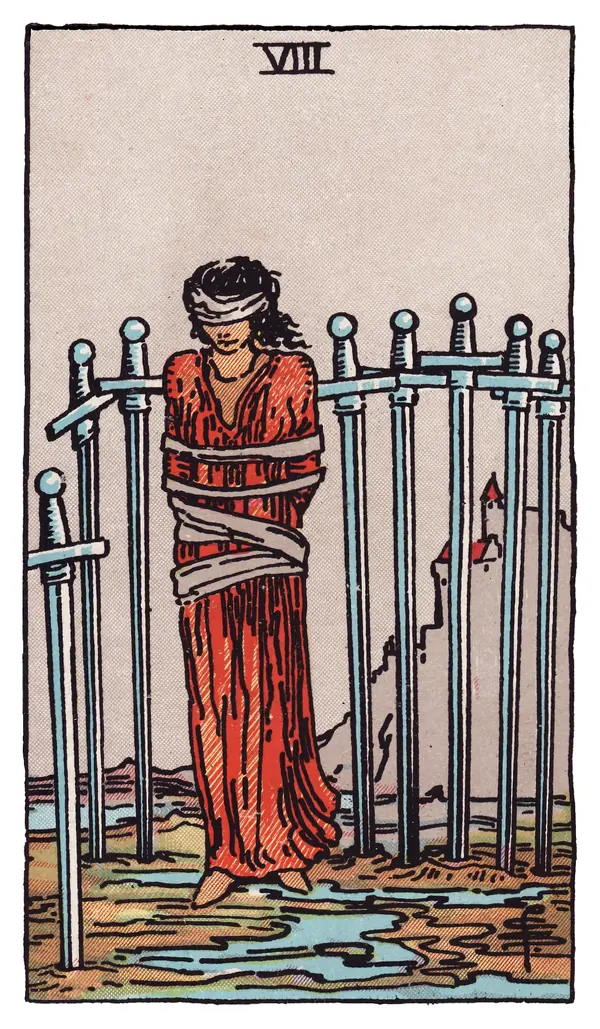
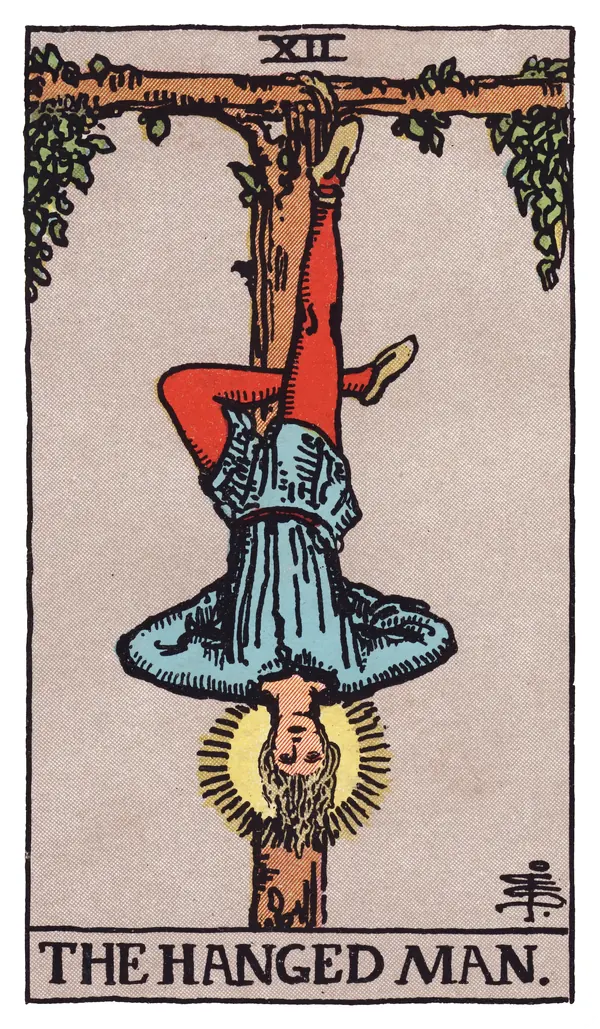
1 · You now: The Hanged Man2 · Path A gift: Four of Pentacles3 · Path A risk: Four of Cups4 · Path B gift: Page of Pentacles5 · Path B risk: Eight of Swords, reversed
  1. 1 · You nowThe Hanged Man

    Before the two roads, you may feel willing to wait until the choice looks different. Neither direction needs to be settled for you to understand what draws you toward each.

  2. 2 · Path A giftFour of Pentacles

    Go this way and you get real security, carefully protected, with what you built still intact.

  3. 3 · Path A riskFour of Cups

    The cost is effort spent looking up while motivation is already low.

  4. 4 · Path B giftPage of Pentacles

    Down this road you get real, tangible groundwork, laid carefully while you are still new to it.

  5. 5 · Path B riskEight of Swords, reversed

    It can cost you footing, if the freedom turns out to be partial and still tangled.

Reading it together

Say someone is weighing staying in their job (Path A) against going back to study (Path B). The Hanged Man at the base suggests this choice benefits from a pause and a fresh angle before either road is taken. Path A offers security, with what they have built kept intact; its cost may be effort spent looking around while motivation is already low. Path B offers solid groundwork laid as a beginner; its cost may be footing, if the new freedom turns out partial. Neither pair outweighs the other on its own. The comparison comes down to which cost feels more bearable to them.

Questions about this spread

How is Two Paths different from This or That?

This or That gives one card to each option, for a quick side-by-side look. Two Paths adds a card for where you stand and splits each option into what it offers and what it could cost. It takes longer to read, and suits a bigger decision where you want to see the price of each road as well as its appeal.

What if both paths show difficult cards?

Then both roads carry a real cost, which is often true of choices that feel hard. Compare the two risk cards against each other: one cost may be something you can prepare for, the other something you would rather not carry. The You now card at the base can help you see which cost fits where you currently stand.

Can I use Two Paths for more than two options?

The spread is built for two. With three or more options, try narrowing to the two you are most drawn to, or run it once for each pair. Keeping each reading to two paths means every gift and every cost has a clear counterpart on the other side to be weighed against.

Does the spread tell me which path to choose?

No. It shows what each path offers and what it could cost, as things stand now, and leaves the choice with you. People often find that one gift or one cost stands out more than they expected. Take that as part of the message: the card that catches you is often the one pointing at what matters most.

How a reading works →