What a yes-or-no reading shows
A yes-or-no reading draws one card and asks it a narrow question: does this lean yes, no, or somewhere in between? The card doesn’t rule on your future. It describes how things tilt right now, given what is already in motion, and the tilt can change when you change something.
That is why our Yes · No · What Shapes It reading gives you more than a single word. Next to the lean sit two short lists. One names what is working in your favor, the things you already have or can do. The other names what could get in the way. A practical check closes the reading: one concrete thing to find out or try before you decide.
The lists are not there to defend the answer. A card that leans no can still show real strengths on your side, and a card that leans yes can still carry a risk worth checking. They show what is shaping the lean, and the decision stays with you.
Yes · No · What Shapes It
A nuanced answer that still leaves the choice up to you.
- The direction of the answer
How to ask a yes-or-no question
The question does most of the work. A good one is about a single step, and it is a step you can take or decline yourself. Compare two versions of the same worry:
A few habits help. Ask one thing at a time: “Should I move and change jobs?” is two questions, and one card can only lean one way. Add a time frame when timing matters, such as “this month” or “before the lease ends”. And ask the question you actually care about, even if it feels small. A vague question gets a vague lean.
Some questions sit badly in a yes-or-no format however they are phrased. Questions about health, a legal case or a money decision belong with people qualified to answer them. A card can show how such a choice leans for you, but it is not a second opinion on a diagnosis or a contract.
How to read yes, no and mixed
Yes means the situation, as it stands, tilts toward the step you asked about. It is not a promise that the step goes well. With a yes, read the second list slowly, because a clear lean makes it easy to skip past a risk.
No means things tilt against the step right now. The useful part is usually the reason. A no can point to missing information, poor timing or a plan that hasn’t been checked, and each of those can change. With a no, read the first list: it shows what you still have to work with.
The useful part is usually the reason.
Mixed means both sides carry weight. It is a complete answer, not a failed one. Here the two lists matter most, because they show which side you are able to strengthen, and the practical check is often the quickest way forward.
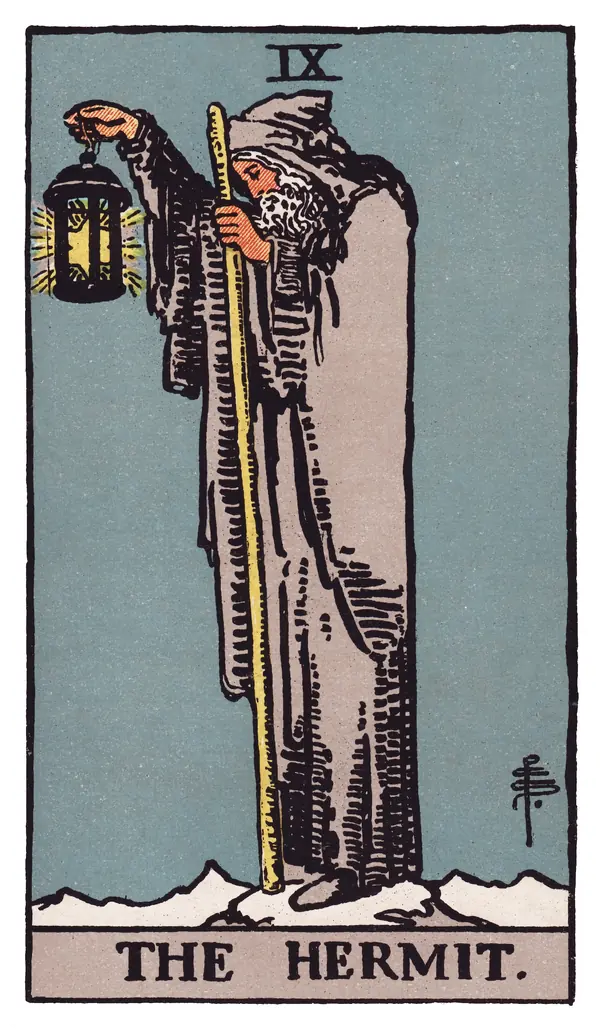
An example. Someone asks whether this is a good time to sign up for an evening course, and draws The Hermit upright. The lean is mixed. In their favor: there is no deadline forcing an answer, and some time alone with the question could bring it into focus. In the way: part of the decision may need someone else’s input, and it is easy to keep thinking instead of deciding. The practical check is to spend one uninterrupted hour with the question and see whether it looks clearer afterwards. The card gives them a next step, and the answer is still theirs to reach.
Which cards lean yes, no or mixed
Readers don’t agree on a fixed yes-or-no value for every card, and many decide in context. In our Rider–Waite–Smith readings each card has a written lean for both orientations, 156 in all. The pattern across them is worth knowing, because it is not simply bright cards yes and dark cards no.
Upright, cards lean yes most of the time: 55 of the 78, with 13 mixed and 10 no. Reversed, the balance turns, with 44 leaning no, 28 mixed and only 6 yes. Thirty-eight cards follow the plain pattern of yes upright and no reversed, among them The Magician, The Lovers, the Ace of Pentacles, the Two of Cups and most of the court cards. The other 40 are where it gets interesting:
- Yes upright, mixed reversed (16 cards), including The Fool, The Emperor, Judgement, The World, the Ace of Wands and the Ace of Cups. Reversed, the energy stalls rather than disappears.
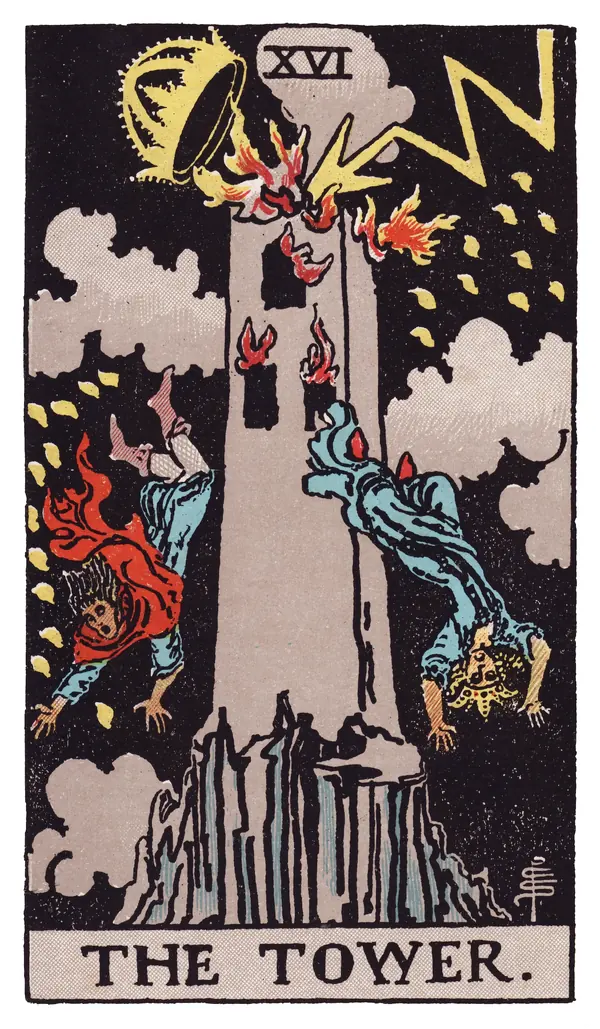
- No upright, mixed reversed (9 cards): The Tower, The Devil, the Four and Five of Cups, the Two, Three, Five and Nine of Swords, and the Four of Pentacles. Reversed, the hold loosens, and the answer depends more on what happens next.
- Mixed upright, no reversed (6 cards): The High Priestess, The Hermit, The Hanged Man, the Ten of Wands, the Eight of Cups and the Page of Swords. Upright they tend to ask for a pause or more information first.
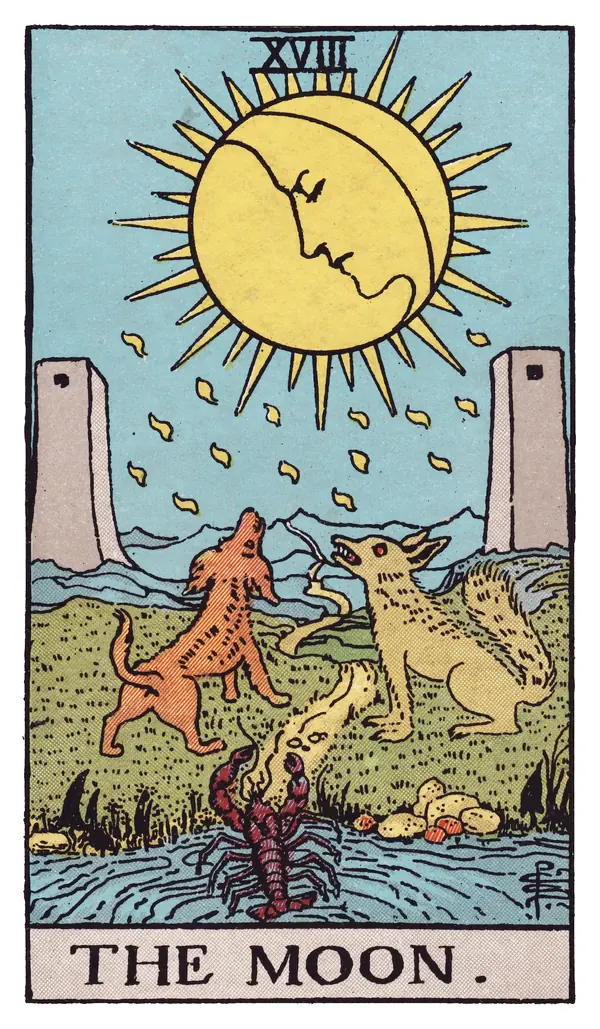
- Mixed upright, yes reversed (4 cards): The Moon, the Seven of Cups, the Eight of Swords and the Ten of Swords. Reversed, the fog or the hardest stretch may be easing.
The cards that surprise people
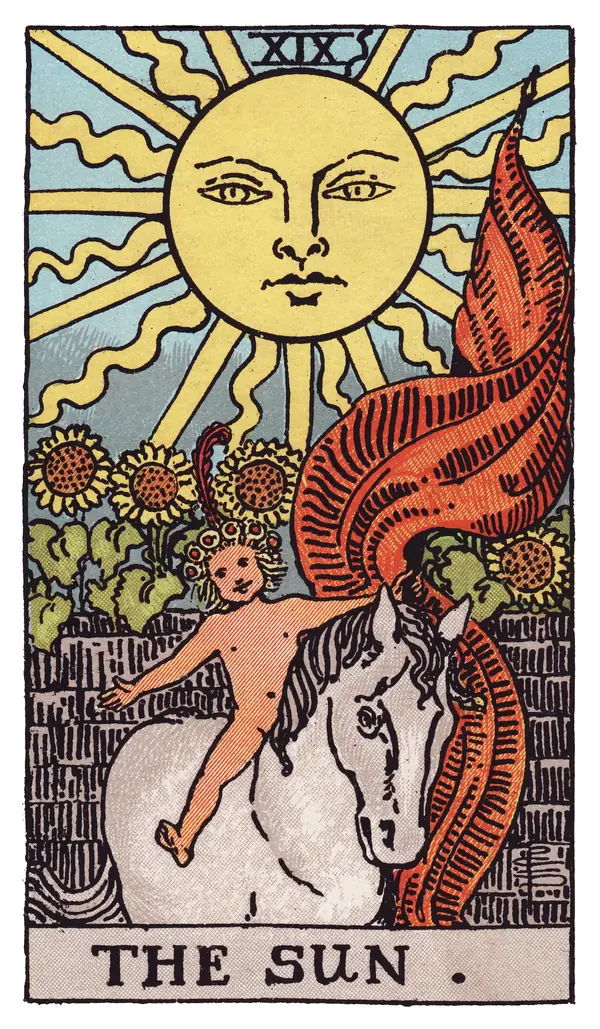
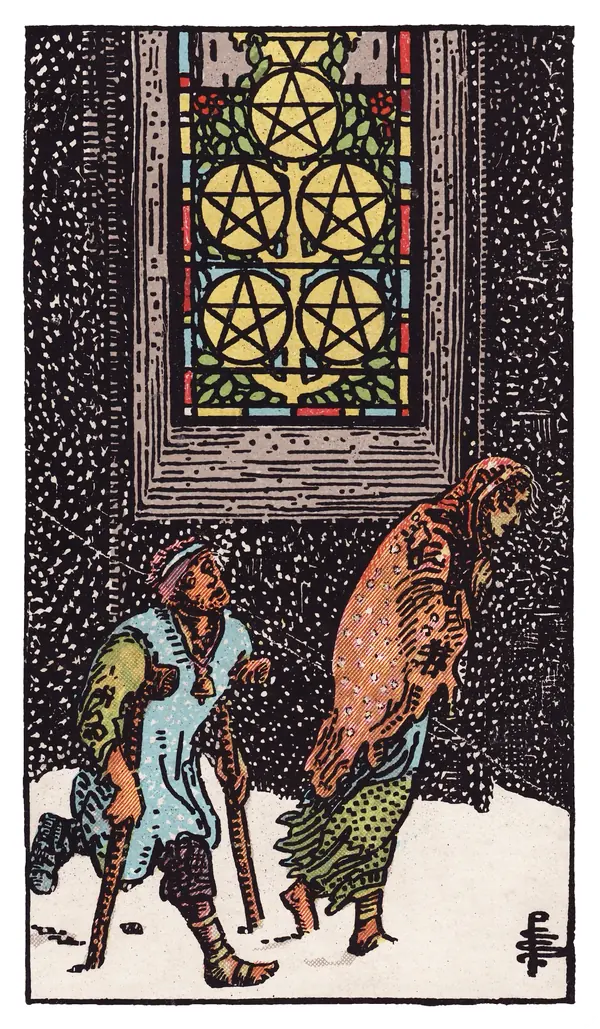
Three cards stay mixed both ways: the Five of Wands, the Seven of Swords and the Seven of Pentacles. Each is about a situation still in play, whether that is a contest, a half-told story or slow growth. Only one card leans yes in both orientations, The Sun. Reversed, its good part is still real, just smaller than whatever it is being compared to. And only the Five of Pentacles goes the other way round, no upright and yes reversed, where the reversed card leans toward a hard stretch easing and help being accepted.
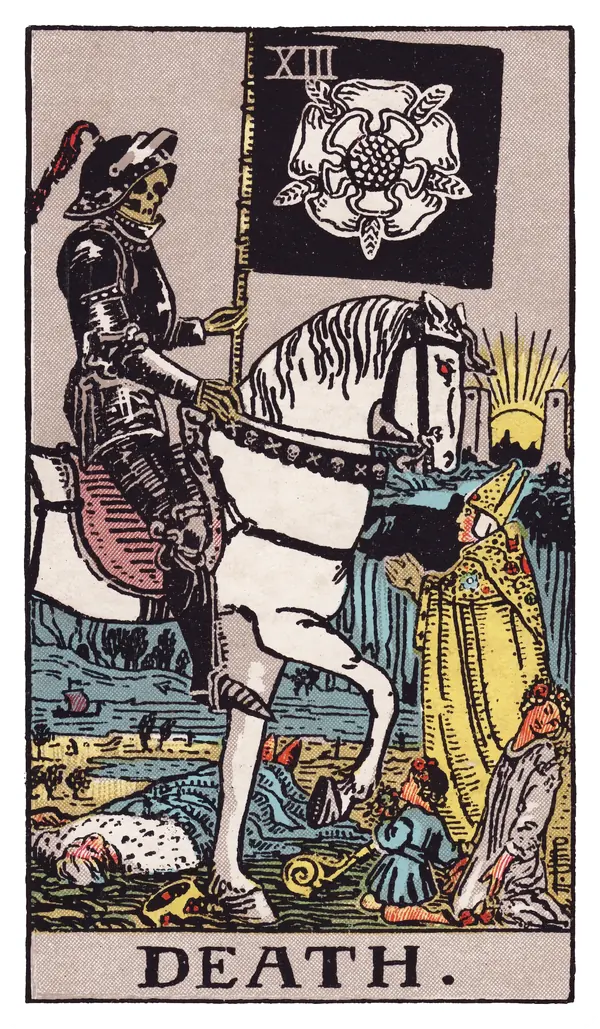
A few results surprise people. Death upright leans yes: the card is about something running its course, and many yes-or-no questions are really about whether to make room for what comes next. The Tower upright leans no, because a structure that is already shaking rarely rewards propping it up. By suit, no upright Wands card leans no, which fits a suit of drive and momentum. Upright Swords are the most divided, split between yes, no and mixed, which fits a suit about thought and hard truths.
Other books and readers assign some cards differently, and that is normal. Treat any list, including this one, as a starting point. The lean means most when you read it together with the card’s meaning for your own question.
Reversed cards in a yes-or-no reading
A common shortcut treats every upright card as yes and every reversed card as no. It is quick, and it throws away most of what the card has to say. The numbers above show where it misleads: 34 of the 78 reversed cards lean yes or mixed in our readings, and 23 upright cards lean no or mixed.
In our readings a reversed card keeps its theme and meets it with more resistance or delay. The lean and both lists are written for that version of the card, so read what the card gives you rather than which way up it landed.
When one card isn’t enough
A yes-or-no reading works best for one clear step. If the question keeps growing while you try to phrase it, it probably needs more room. For a situation with several moving parts, Situation · Obstacle · Next Step looks at it from three angles without forcing a verdict. For a choice between two options, This or That lays them side by side. And when you want the whole picture, the Celtic Cross, position by position walks through a ten-card reading.
It is also fine to stop at the lean. If a mixed answer points to one thing you need to find out, going and finding it out may help more than another card.
Frequently asked questions
How many cards should I pull for a yes or no question?
One card is enough when the question is about a single step. It gives a clear lean without several cards contradicting each other. Some readers pull three and go with the majority, but that turns the answer into arithmetic and loses the detail of each card. If one card feels too thin, the question is probably bigger than yes or no, and a three-card spread suits it better.
Does a reversed card mean no in yes or no tarot?
Not in our readings. Each card has its own lean in each orientation, and 34 of the 78 reversed cards lean yes or mixed. A reversed card keeps its theme and shows it meeting more resistance or delay. Read the lean the card gives you, then the two lists, before you decide what it means for your question.
Can I ask the same yes or no question again?
You can, though a second draw straight after the first rarely helps. It usually means the first answer was unwelcome, and a new card only adds a second opinion to argue with. A better moment to ask again is after something has changed: you found out what the practical check pointed to, or the situation moved on. Then the new card reads a new situation.
What questions work badly for yes or no tarot?
Questions about another person’s private choices, like whether someone plans to call or what they think of you, get a lean with little in it you can act on, and their own answer is the one that settles it. Health, legal and money questions need a qualified person. Double questions get one lean for two decisions, so split them or reshape them around your own next step.
Written by the editorial team · Reviewed on November 4, 2026 · Method →