What a tarot reading gets right
A reading takes a situation you are too close to and lays it out in parts. Each position asks one specific question, such as what is taking shape now, what is in the way or where this is heading, and the card that lands there answers it with a picture and a meaning. When people call a reading accurate, they usually mean that a card spoke to exactly the part of the situation they had been skipping.
A good reading usually does three things well. It names what is in play: the pressure, the hope, the thing you keep circling back to. It shows which way the situation is moving if nothing changes. And it points to a next step you can check in real life. Situation · Obstacle · Next Step is built around exactly that: what is taking shape, what is in the way, and a practical direction to explore.
And it points to a next step you can check in real life.
What a reading leaves open is the event itself. The cards describe a direction, and you are one of the forces moving it.
Situation · Obstacle · Next Step
Untangle what is happening, what is in the way, and where you can move next.
- Situation
- Obstacle
- Next step
Why readings can feel strikingly accurate
Many people are surprised by how closely a reading fits. Readers have their own words for it: the cards picked up on something, the right card turned up, the reading knew where to look. The pictures show human moments, such as carrying too much, waiting, celebrating, grieving or starting over, and again and again the card that lands is the one you are living through. When that happens, take the fit seriously. It is the reading doing its work.
The best way to know how accurate your readings are is to test them. Try the next step a reading gives you and see what happens. Write down the readings that fit and the ones that didn’t, and read them back after a few weeks. Keeping a Tarot Journal shows a simple way to do it, and your notes become a better measure than any single reading.
Can tarot predict the future?
Tarot shows where a situation is heading. In Past · Present · Future the last card reads as where things are heading if nothing changes, and in the Horseshoe the final card is the likely outcome. That is a forecast of direction, closer to a weather map showing a front moving in than to a date in a diary. It is useful precisely because you can act on it.
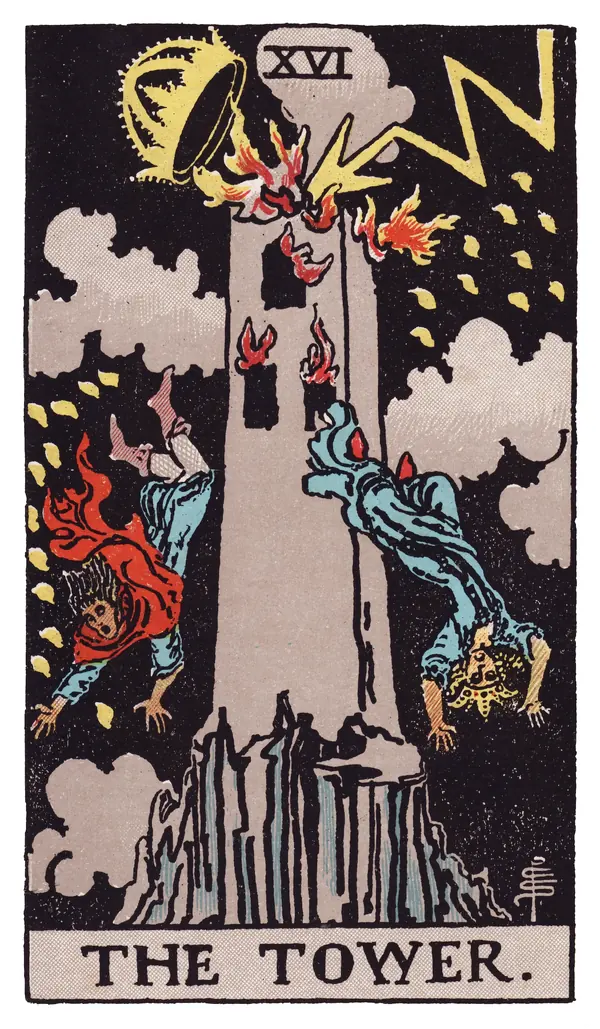
Say The Tower turns up as the future card in a question about a project. It points to something built on shaky ground giving way. Read as a direction, that gives you something to check now: which part of the plan was never really holding? If you shore that part up or change course, the direction changes with it, and the reading has done its job. Whether a given event happens comes down to what the people involved do, you included.
The same goes for a hopeful future card. It shows the direction things are moving in, and the cards before it show what is carrying them there. Keep doing those things and the direction tends to hold; drop them and it can shift. Treat the future card as the likely result of the present, and the present as the part you can work on.
Why a card can feel wrong
Everyone who reads tarot draws a card now and then that seems to have nothing to do with the question. Before you decide the reading missed, check four things:
- The question. A question about someone else’s decision, like “Will she call?”, gets a card about the situation around it, which can feel off target. How to Ask a Good Tarot Question shows how to turn it toward your side.
- The size. A card that seems too dramatic may be pointing at something smaller: one conversation rather than the whole relationship, one task rather than the whole job.
- The position. The same card means one thing as an obstacle and another as a strength. Reread what the position asks, then read the card again.
- Your hopes. An unwelcome card can feel wrong simply because it is uncomfortable. Write down what you wanted it to say, then read it once more.
If it still doesn’t fit, note it and leave it. Some cards make sense a week later, and some simply don’t land, which is part of reading too. Redrawing until you like the answer makes every reading less useful, because you end up choosing the card instead of reading it.
Why tarot doesn’t give dates
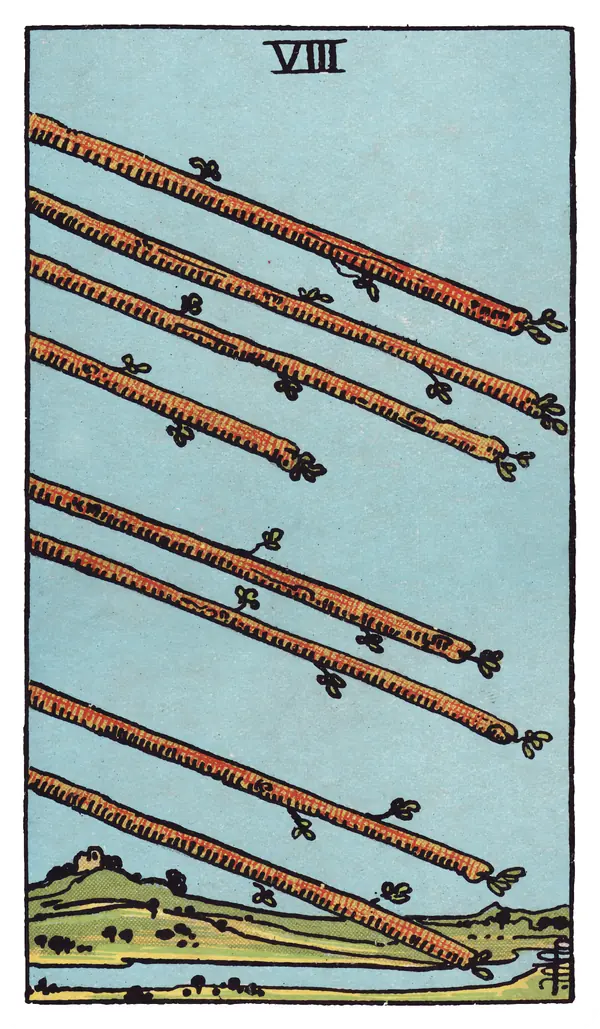
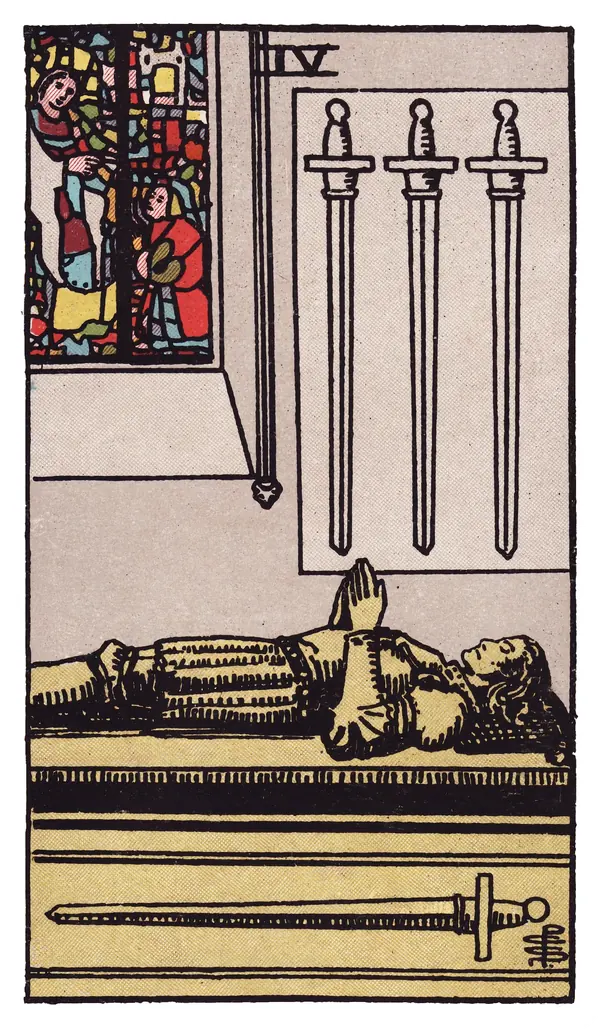
Timing is one of the most common things people ask tarot about: when will I meet someone, when will the job come through. Some readers use timing systems that match suits to seasons or numbers to days and weeks, but those systems vary from reader to reader, and our readings don’t use them. What a spread shows well is pace. The Eight of Wands points to things moving quickly after a slow stretch. The Four of Swords points to a stretch of deliberate rest before anything moves.
The more useful timing question is usually “What needs to happen before this can move?” The obstacle and next-step cards answer that directly, and what you do with those answers sets the pace more than any date would. If a date matters for a plan, such as a move or a launch, set it yourself from what the reading shows needs doing first. Then read again closer to the time and compare, to see how things have moved.
Is tarot real?
Tarot is a real deck of 78 cards with a long history. The cards were first made in fifteenth-century Italy for a card game, and reading them for meaning came centuries later. When people ask whether tarot is real, they usually mean whether it works. People who read regularly say it does: a card lands where it is needed, and a theme keeps returning until it is heard. Our readings are written to show you what the cards are pointing at in your question.
How the cards are chosen matters to that, so here is how it works on this site. In a Random draw our server picks the cards with a cryptographically secure random number generator, no card repeats within a reading, and every card has the same chance of landing in every position. The texts are written in advance for each card and position and approved by an editor. How our readings work has the full details. If you prefer your own cards, the My deck option lets you shuffle a physical deck and enter the cards as they fell, and the reading uses exactly those cards.
How to get a more useful reading
A reading can also help you sort out a worry about health, a legal matter or money, and see which part of it weighs on you most. The answer to the question itself comes from the person qualified to give it: a doctor, a lawyer or a financial adviser. The reading can still help you walk into that appointment knowing what you want to ask.
Frequently asked questions
Can tarot cards be wrong?
A reading can miss. The usual reasons are a question aimed at someone else’s decision, a card read at the wrong size, or a position read too quickly. A card that felt wrong often makes sense once you reread what its position asks, or when you look back a week later. If it still doesn’t fit, write that down. The misses teach you the cards and your own habits as a reader.
Can tarot predict the future?
Tarot shows where a situation is heading if nothing changes, and it names what is pushing it that way. That is a forecast of direction you can act on. Future and outcome cards are most useful read next to the obstacle and next-step cards, because those show what you can change. What actually happens depends on what the people involved do, and your own next step is part of it.
Why doesn’t tarot give dates?
Timing systems exist, matching suits to seasons or numbers to days, but they vary from reader to reader and our readings don’t use them. A spread shows pace instead: whether things look fast, stalled or waiting on something. The most useful timing question is what needs to happen before the situation can move, and the obstacle and next-step cards answer it.
Is it bad to ask tarot the same question twice?
It isn’t bad, though asking again straight away rarely helps. A second draw usually comes from disliking the first card, and then you have two readings to argue between. Wait until something has changed, or until you have tried the first reading’s next step. A new draw then reads a new situation, and comparing the two shows you how it has moved.
Written by the editorial team · Reviewed on November 23, 2026 · Method →