All readings

This or That

Two cards, one for each option, so you can weigh them side by side.

Coming soon

Personal interpretation

A reading shaped by your question

When available, personal interpretation will use your question with the selected deck’s meanings, author notes, card orientations, and spread positions. Relevant date and time context will be included only when the reading supports it. This feature is still in development.

Your own question is still brewing in the cauldron; it will be ready soon.
or
Selected · Available now

Canonical reading

Read the cards through two fixed positions. No question needed.

Your two positions

  1. Option A: The first choice, seen on its own terms.

  2. Option B: The second choice, on the same terms.

  • General overview
  • No typing
  • Immediate reading

About this spread

A longer guide to this spread

What it is for, how its positions are read, and where to go next.

This or That is a two-card reading for comparing two options side by side. Each option gets one card that shows what choosing it would mean on its own terms. Take it for a quick, even-handed look before a decision, large or small.

For questions like

  • “Take the promotion, or stay in the role I actually enjoy?”
  • “Move abroad for a year, or build a life closer to home?”
  • “Adopt a dog now, or wait until things settle down?”
  • “Keep this apartment, or look for a bigger place?”

The positions

  1. 1Option A: The first choice, seen on its own terms.
  2. 2Option B: The second choice, on the same terms.

How to read it together

Name each option clearly before drawing, so you know which card belongs to which. Read Option A on its own first, then Option B the same way, as if each were the only choice. Only then set them next to each other and ask what each one would ask of you. The two cards answer the same question, so the difference between them is where the reading lives: one may favor pace, the other patience. The spread marks neither option as better. If both cards feel similar, the choice may matter less than it seemed, or the deciding factor sits outside what the cards show. A reversed card shows that option’s character in a harder or more strained form.

A worked example

Say the question is: “Take on a second big client this year, or keep my workload where it is?”

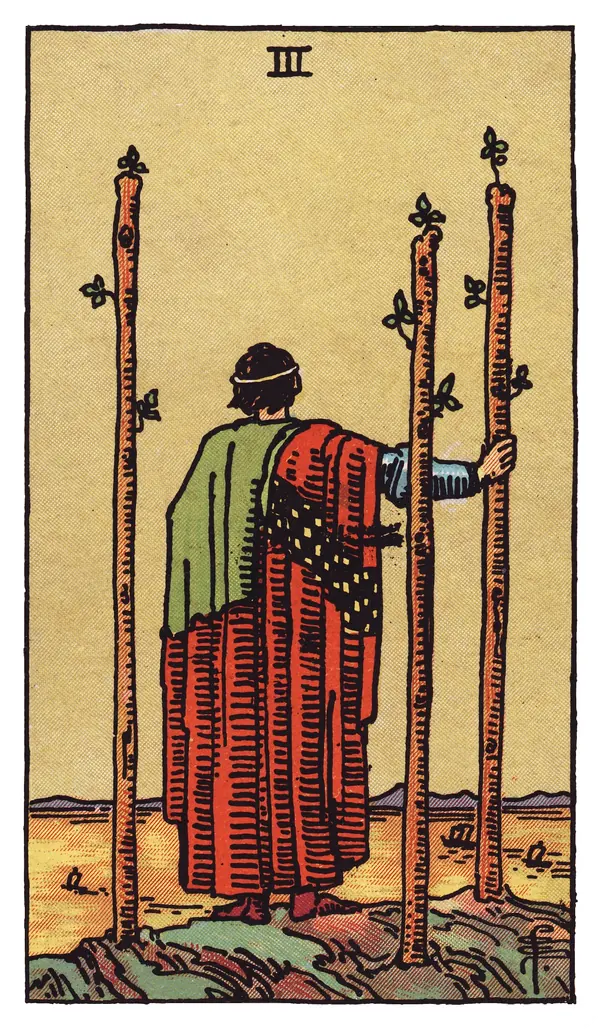
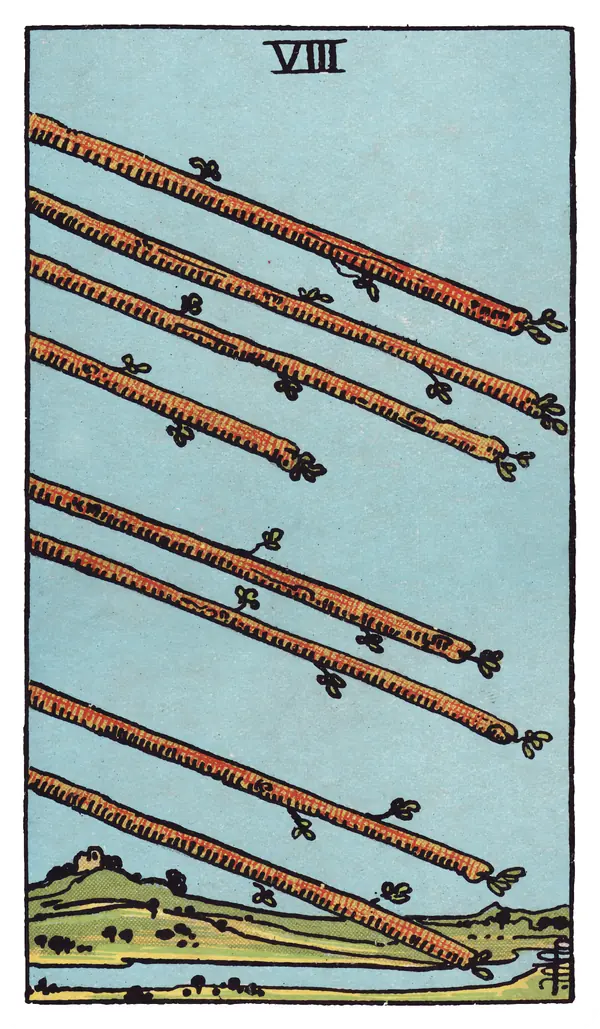
1 · Option A: Eight of Wands2 · Option B: Three of Wands
  1. 1 · Option AEight of Wands

    Go with this and you respond at the pace things come, which leaves no room to sit with any of it.

  2. 2 · Option BThree of Wands

    Pick this and you wait on work already done, rather than starting something new to feel busy.

Reading it together

Say someone is deciding whether to take on a second large client (Option A) or keep their workload as it is (Option B). The Eight of Wands suggests Option A means moving at the speed things arrive, with little room left to sit with any of it. The Three of Wands suggests Option B means waiting on work already in motion rather than starting something new to feel busy. Side by side, the choice reads as speed against patience. Which one suits this person depends on what they want the year to feel like, and the cards leave that with them.

Questions about this spread

Are two cards enough for a real decision?

For many everyday choices, yes. One card per option gives a clear, quick contrast. When the stakes are higher and you want to see what each option costs as well as what it offers, the five-card Two Paths spread splits each road into a gift and a risk and adds a card for where you stand.

What if both options get similar cards?

Similar cards suggest the two options may be closer than they felt, or that they share a quality you can count on either way. Look for the smaller difference: pace, tone, who is involved. If nothing separates them, the choice may rest on something the cards don’t cover, such as timing or plain preference.

Can I compare more than two options?

This spread holds two. For three options, one approach is to compare them in pairs and notice which one keeps coming out clearer. It is also worth asking whether one option can be set aside first, so the reading stays focused on the two that matter most to you.

Does a harder card mean the option is wrong?

No. A heavier card describes what that option would ask of you, not a verdict against it. Some worthwhile choices are demanding. Read the harder card as the price or the work involved, and weigh it against what the other card shows about its option.

How a reading works →