Daily tarot reflection
Pause. Then turn the card.
One card is waiting in its position. It is chosen only when you turn it.
Reading setupChoose either item to change it.
About this spread
A longer guide to this spread
What it is for, how its positions are read, and where to go next.
Daily Tarot Card is a one-card reading for the start of your day. The card names the energy worth meeting today and offers one small, grounded step. Take it in the morning when you want a single focus rather than a full reading.
How to read it
Read the card as the theme of your day. Start with what the day favors, then what to watch for, and carry the one small step with you. The day question is there to think over in the morning; the evening question lets you look back on how it went. You get one card per day. Drawing again on the same day shows the same card, and a new card arrives after midnight in your own time zone. A reversed card still names the same energy, met from a harder angle: slowed down, turned inward, or asking for more care before it moves. The card sets the theme, and how the day goes is still open.
A worked example
Say the question is: “What does today ask of me?”
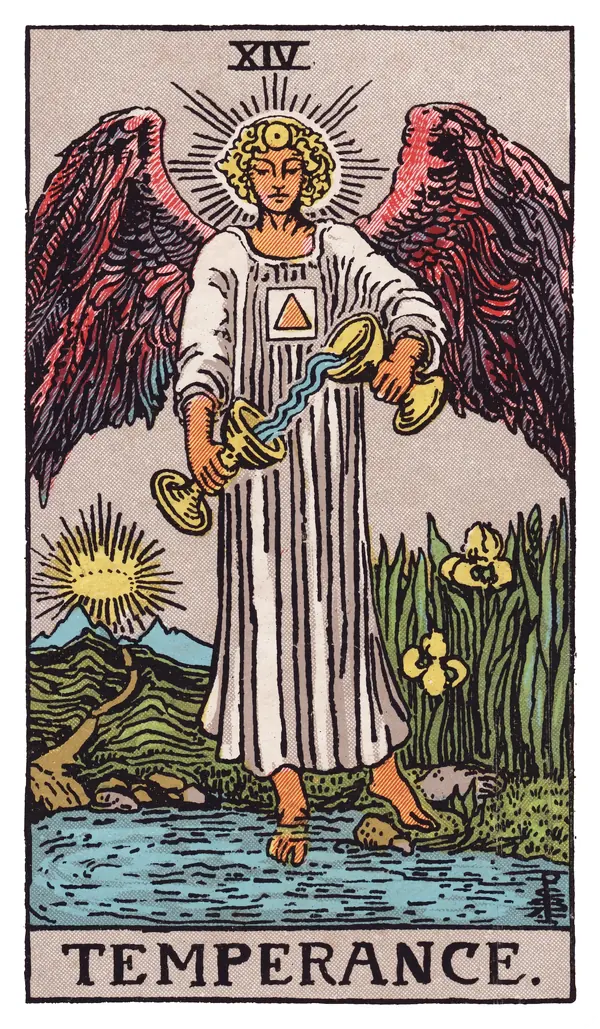 1 · The energy to meetTemperance
Today favors a slow, balanced approach over an all-or-nothing one. Blending two needs patiently will work better than choosing just one.
Say someone draws Temperance upright on a busy morning. The day leans toward a slow, balanced pace instead of an all-or-nothing push, and toward blending two needs rather than picking one. The watch-for line points at the urge to hurry something that needs time. Put together, the card reads as a quiet invitation to find the middle version of whatever feels extreme today, and the small step is exactly that: one moderate move in place of a dramatic one. The evening question then asks where balance won out.
Related
Questions about the daily card
Can I draw a second daily card if I don’t like the first one?
Not on the same day. Drawing again within the same day shows the card you already have, so the reading stays a single focus rather than a search for a better answer. A new card becomes available after your local midnight. If the card feels unclear, spend a minute with its day question, or open a three-card spread for a separate question.
When does the daily card change?
Your card changes at midnight where you are, not on a shared world clock. So a card drawn in the morning stays with you through the evening, and a new one is ready once your own day turns over. If you travel across time zones, the day follows the time on your device when you open the reading.
What if today’s card feels heavy, like The Tower or the Ten of Swords?
A heavy card on a daily draw describes a mood or theme worth meeting with some care, not an event that has been scheduled for today. The text for each card points to what the day favors and what to watch for, and the step it offers is small on purpose. Read it as a prompt to go gently where things feel strained.
What question works best for a daily card?
An open one. The spread has a single position, the energy to meet, so questions like “What does today ask of me?” or “Where can I go easier today?” fit it well. A yes-or-no question sits better with the Yes · No · What Shapes It spread, and a problem you want to take apart suits a three-card spread.
Is the daily card a message for the whole day?
Yes. Many readers take the daily card as the day’s message: one theme to carry from morning to evening and notice when it shows up. In the evening, look back at where it appeared, and write a line about it if you keep a tarot journal.
Do I need to shuffle or ask a question first?
No. The site shuffles and draws for you. If you like, take a breath and hold a simple question, such as what today asks of you, before you turn the card. Many readers find the message lands more clearly that way.