Why read tarot by the moon
The moon runs a cycle of about a month, and people have timed their work to it for a very long time: planting, gathering, starting, finishing. In tarot practice the two turning points of that cycle carry the most weight. The new moon, when the sky is dark, is the moment for beginnings and for setting an intention. The full moon, when the light is at its peak, is the moment when things show themselves plainly and something can be let go.
Reading at those two points gives your practice a rhythm. Instead of pulling cards whenever a worry flares up, you sit down twice a month with a clear question each time. The moon reading on this site follows that rhythm: three cards at the new moon, three at the full moon, each set with its own positions.
The new moon spread: what is beginning
The new moon reading faces forward. Its three positions move from noticing a start to taking the first step toward it.
- What is beginning. The seed of this cycle: a plan, a feeling, a direction starting to form. It is often something you have half-noticed already.
- What to nurture. What this beginning needs from you to grow: attention, patience, a habit, a conversation, some protection from doubt.
- The first step. One concrete move that fits the next two weeks. It is a start, not the whole plan.
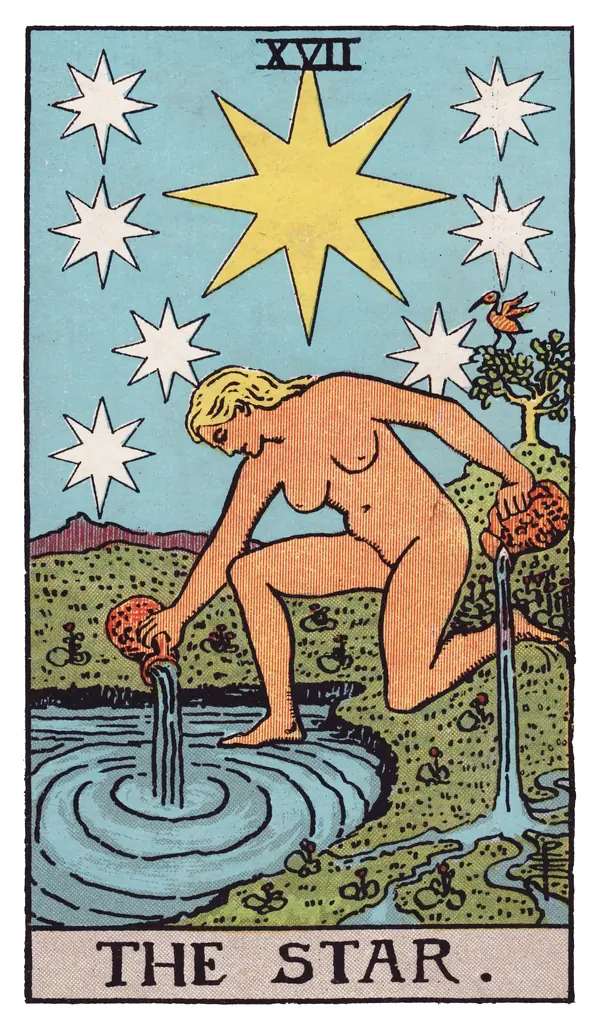
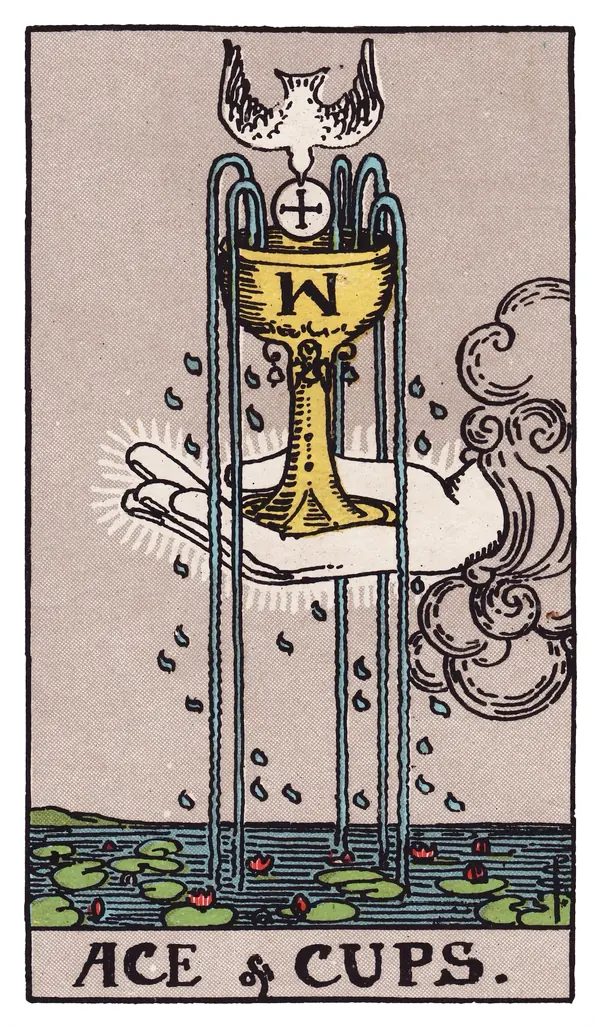
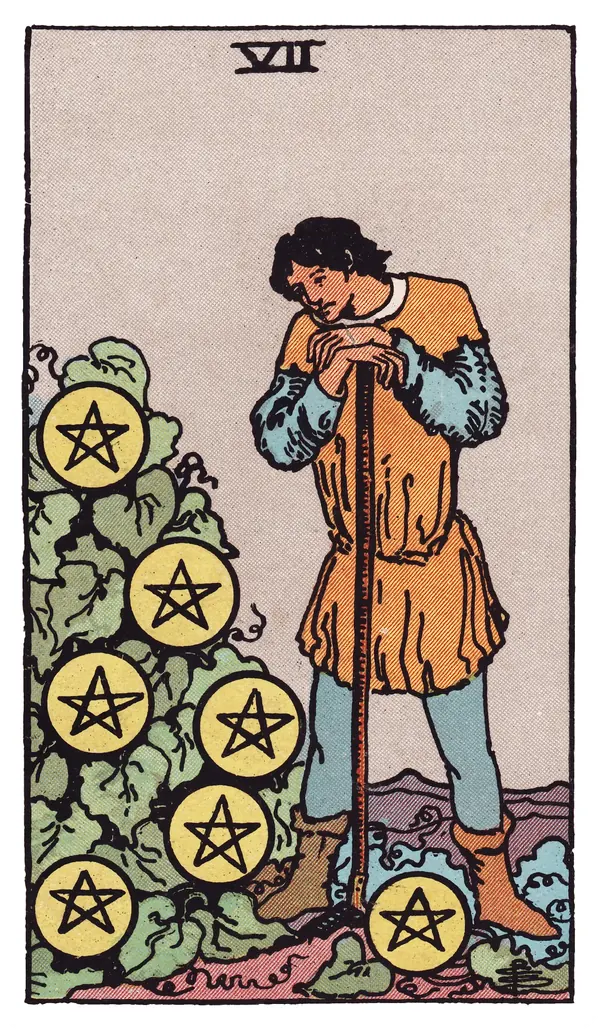
Cards of opening feel at home here. The Ace of Cups in What is beginning can point to an emotional opening worth welcoming. The Star in What to nurture can ask you to look after hope itself, quietly and steadily. A demanding card in The first step, such as the Seven of Pentacles, can suggest the first move is to pause and assess what you have already put time into before adding more.
Many readers write a one-line intention after the new moon reading, based on the three cards. It keeps the reading from dissolving into a general mood, and it gives the full moon something to answer.
New moon reading
Three cards at the new moon: what is beginning, what to nurture, and the first step.
- What is beginning
- What to nurture
- The first step
The full moon spread: what has ripened
The full moon reading looks at what has grown and asks what to keep. It is the reading people usually mean when they talk about a release ritual, though the third card matters as much as the second.
- What has ripened. What has come to fullness or come into view: a result, a truth, a feeling you can now name.
- What to release. What no longer serves the cycle: a worry, an old expectation, a habit, a way of holding on. The card shows what is ready to go, and you decide how.
- What remains. What stays with you once the release is done: the lesson, the strength or the good that carries into the next cycle.
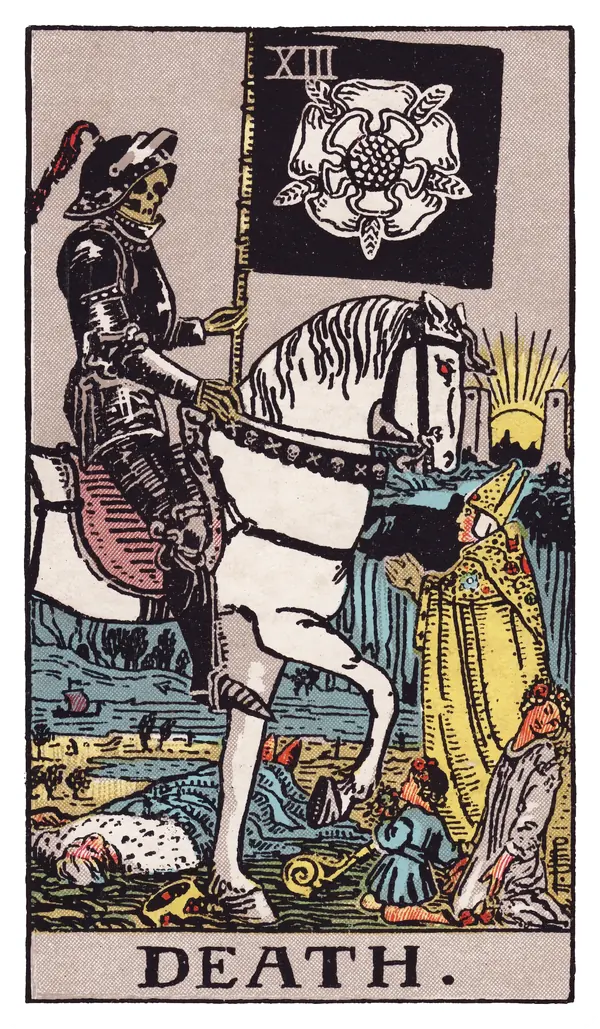
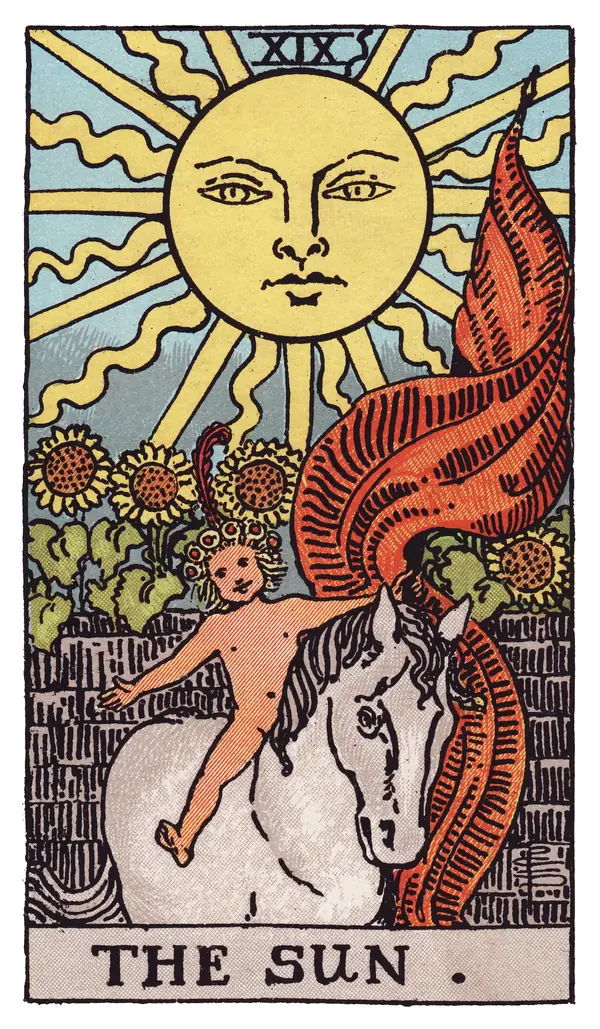
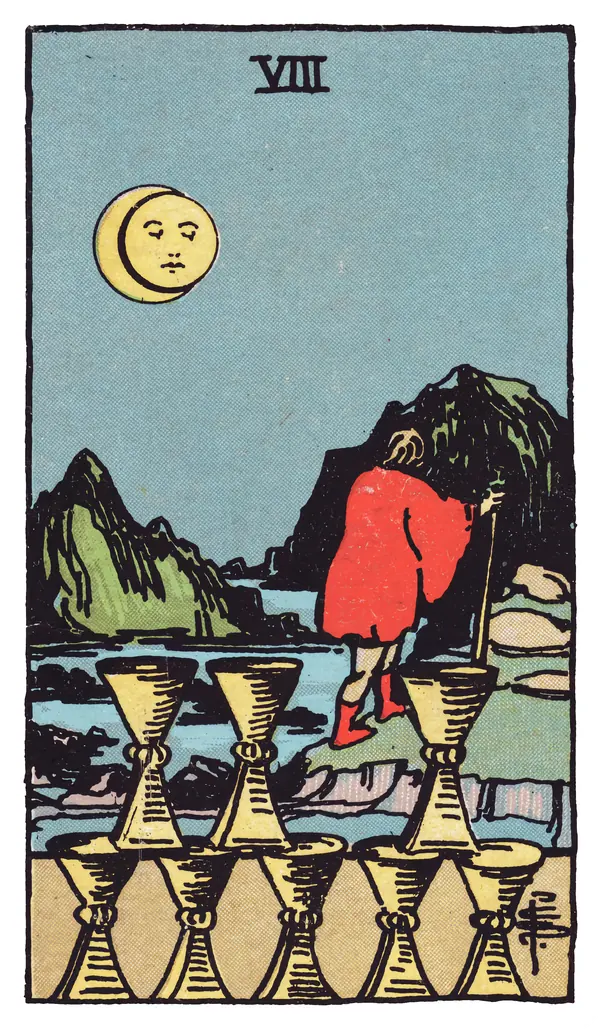
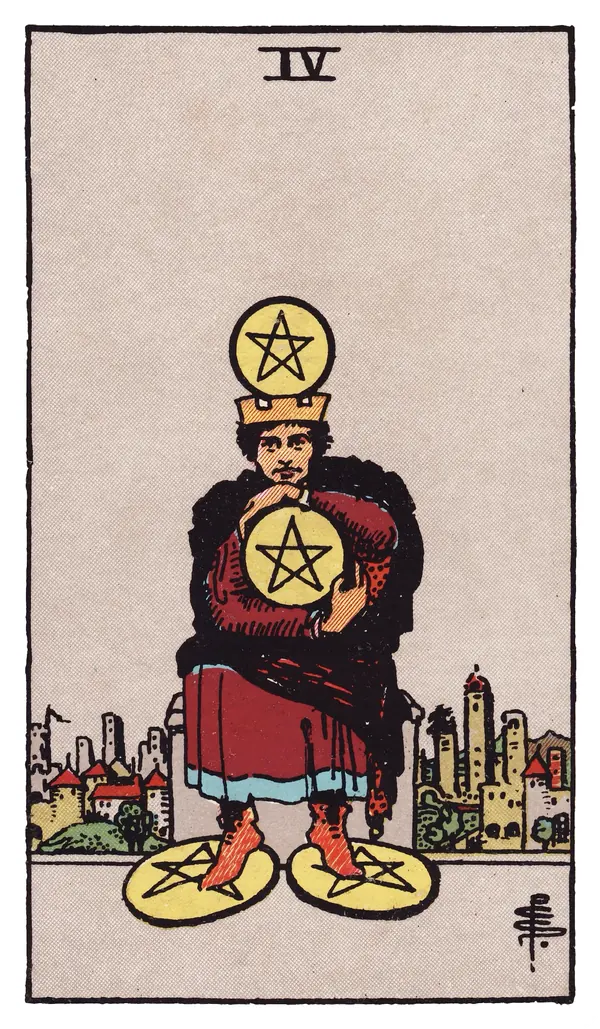
Death in What to release is one of the most natural cards this spread can show: an ending that clears ground, not a threat. The Eight of Cups there can point to walking away from something that looks complete but no longer feels like enough. The Four of Pentacles can name the grip itself, a way of holding on out of fear of loss. In What remains, The Sun can show plain warmth and clarity that outlast the cycle.
Release here works on the inside first: a thought, an expectation, a grudge you stop feeding. If a card seems to point at a larger change in your life, give it time and talk it through with the people involved before acting on it.
When to draw a moon reading
Tradition does not ask for the exact minute of the phase. On this site each reading opens two days before the new or full moon and stays open until two days after it, five days in all, counted in your own local days. The rest of the month the moon reading page is still there to read, and the spread waits for the next window. Between phases, a daily card practice keeps the thread going.
The question sets the tone. At the new moon it reads as an opening: what am I starting this month, where do I want my attention to go? At the full moon it turns back to look: what came of what I started, and what am I ready to put down? Phrased that way, the three positions have something to hold on to, and How to ask a good tarot question has more on shaping one.
Linking the two readings across a cycle
The two spreads are built to talk to each other. About two weeks after a new moon reading, the full moon asks what has ripened, and the obvious place to look is what began. Lay the notes side by side: did What to nurture get the attention it asked for, and does What has ripened answer What is beginning, or point somewhere unexpected?
The two spreads are built to talk to each other.
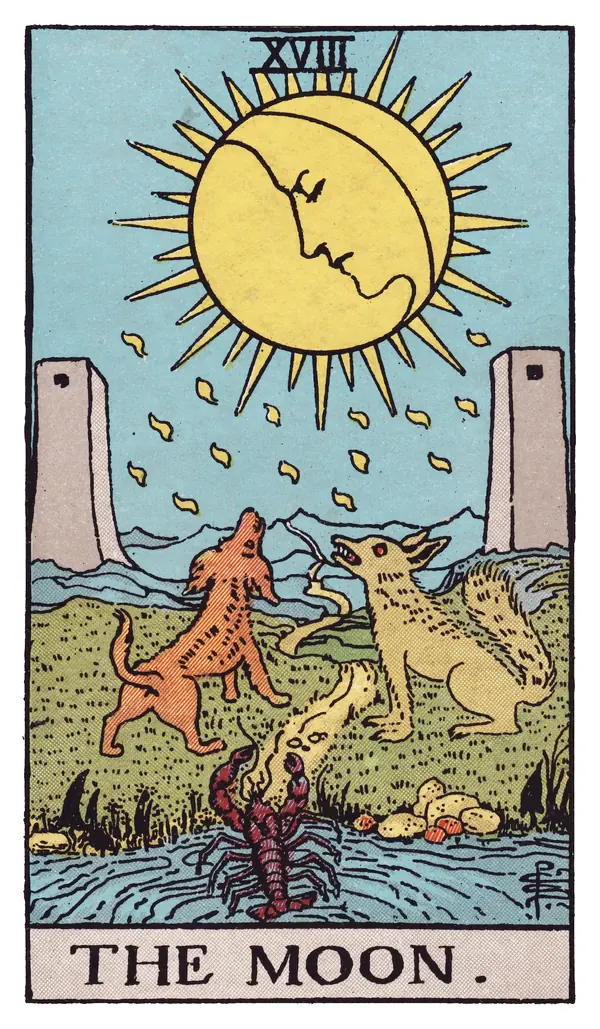
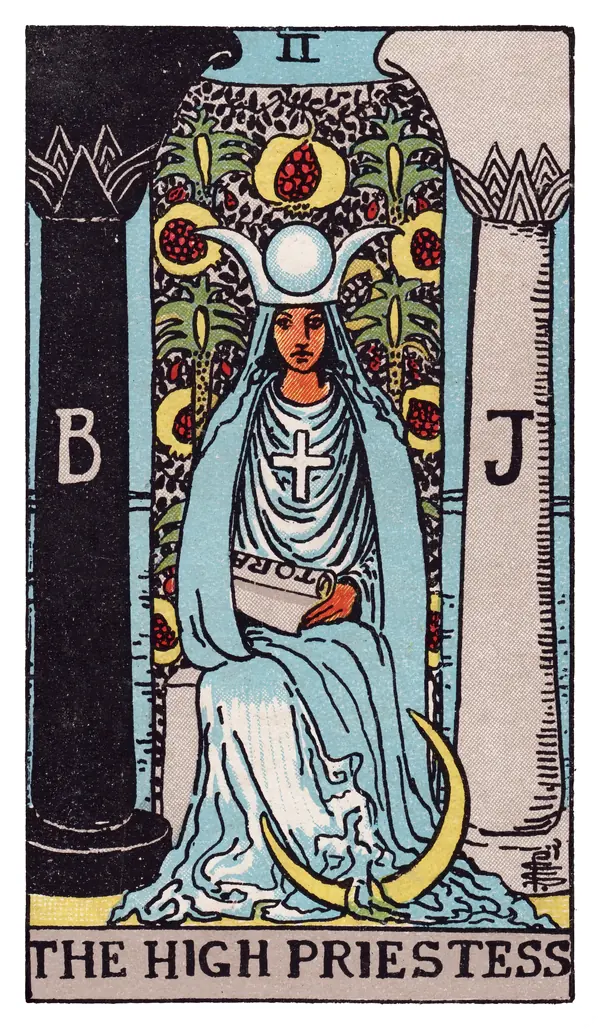
Over a few months this becomes a record of your own cycles, and a tarot journal is the easiest place to keep it. Cards that repeat across moons deserve a second look. The Moon card turning up in a moon reading tends to get attention of its own: many readers take it as a sign to trust intuition while things are still unclear. The High Priestess, the other card most tied to the moon, can point to listening inward before the next step.
Frequently asked questions
Can I do a full moon reading the day after the full moon?
Yes. The energy of a phase is usually read as lasting a few days on either side of it, and the moon reading on this site stays open from two days before to two days after. The day after the full moon falls well inside that window.
What is the difference between a new moon and a full moon tarot spread?
The new moon spread faces forward: what is beginning, what to nurture, the first step. The full moon spread looks at what has grown: what has ripened, what to release, what remains. One plants, the other takes stock and lets go.
Do I need to see the moon to do a moon reading?
No. The phase is the same whether the sky is clear or cloudy, and the new moon is not visible at all. Some readers like to sit by a window or step outside, but the reading works wherever you are.
What if I miss the moon window?
Wait for the next phase. A new moon and a full moon come about two weeks apart, so the next window is never far off. In the meantime a single daily card or a short three-card spread can carry the question.
Can I ask the same question at the new moon and the full moon?
Yes, and it is one of the best ways to use the pair. Set the question at the new moon, read it again at the full moon, and compare. The first reading shows what is starting; the second shows what it became and what to keep.
Written by the editorial team · Reviewed on November 20, 2026 · Method →